The air inside a Nebraska beef processing plant is thick, metallic, and cold. It carries the scent of iron and the hum of refrigeration units that never sleep. For a floor manager—let’s call him Miller—the sound of those fans is the heartbeat of a town. If they stop, the town stops. Miller doesn't track global diplomacy through cable news chyrons; he tracks it by the stamps on the side of a wooden crate. When the stamp says "China," the overtime shifts are plenty, the local diner is full, and the trucks keep rolling toward the coast.
On a Tuesday that felt like any other, that heartbeat skipped.
The headlines described it as a "regulatory shift." They spoke of licenses being renewed and then, with the suddenness of a guillotine, being frozen. But for Miller and the thousands of ranchers from the Sandhills to the Panhandle, this wasn't a headline. It was a cold realization. Hundreds of American beef exporters found themselves holding a golden ticket that had turned into scrap paper overnight.
The Art of the Invisible Leash
International trade is rarely about the product itself. It is a game of leverage played with the livelihoods of people who will never meet the players. In the high-stakes theater of a summit between the world’s two largest economies, beef is not just food. It is a pressure point.
When Beijing renewed the licenses for US beef exporters, it was a gesture of goodwill—a polished olive branch offered before a meeting of presidents. It signaled a thawing of the long-standing tensions that have seen American steak shuffled in and out of the Chinese market for decades. The renewal meant that meat packed in Omaha or Greeley could finally clear customs in Shanghai without the usual bureaucratic "sand in the gears."
Then came the halt.
Imagine a pipeline miles long, filled with millions of dollars of perishable goods. You open the valve at one end, and just as the first drop reaches the exit, someone on the other side turns the handle. The pressure builds. The product sits. The value evaporates. This wasn't a permanent ban, but a suspension—a tactical pause that serves as a reminder of who holds the remote control.
The Cattleman’s Gamble
To understand why this matters, you have to look at the math of a steer. A rancher doesn't just "make" beef. They invest years into a biological timeline that cannot be sped up or slowed down because a trade minister is having a bad week.
When China opened its doors wider, American producers didn't just keep doing what they were doing; they pivoted. They invested in specific genetics and feeding programs to meet the "Never-Ever" requirements—no hormones, no growth promotants, no ractopamine. These are expensive cattle. They represent a premium bet on a premium market.
When the licenses are frozen, those cattle don't stop growing. They don't stop eating. The rancher is left with a specialized, high-cost product and no high-value destination. The beef is redirected to the domestic market, where it is sold at a loss or a thin margin, flooding our own grocery stores and driving prices down for everyone—which sounds great for the consumer until you realize the producer is going bankrupt.
The Ghost in the Warehouse
The logistics of a "halt" are a nightmare of cold storage and mounting debt. When a license is suspended, the meat already on the water—thousands of tons of it—becomes a liability. It sits in the belly of massive container ships, burning fuel to keep the reefers running.
Consider the "middlemen" in this drama. These are the logistics coordinators who spend their nights on the phone with customs officials in Beijing, trying to figure out if a shipment of frozen briskets will be allowed to dock or if it needs to be diverted to Vietnam or Hong Kong at a massive discount.
"Diverted" is a polite word for a fire sale.
If you are a meat exporter, your margin is razor-thin. A three-week delay at a port can turn a profitable year into a total loss. This isn't just about big corporations like Tyson or JBS; it's about the web of independent exporters and family-owned cold storage facilities that form the backbone of the American heartland. When China twitches, these people feel the tremors first.
A Summit of Shadows
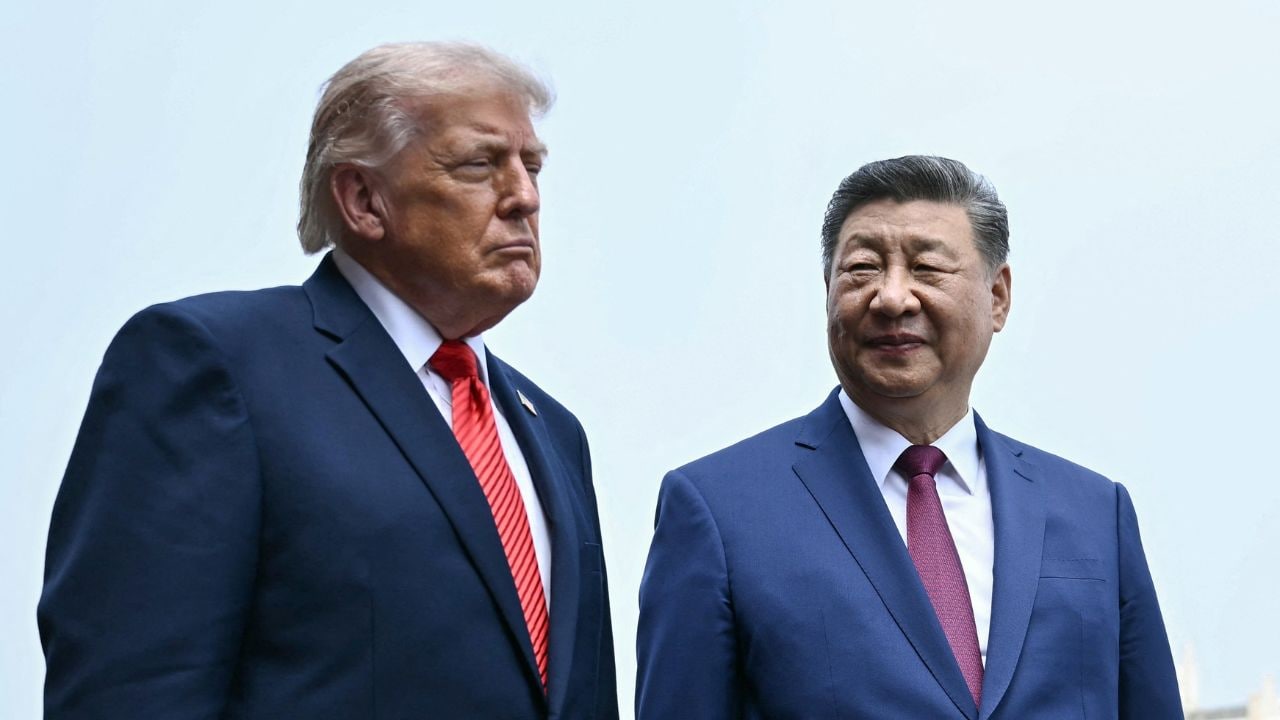
The timing of these license maneuvers was no accident. In the world of geopolitical brinkmanship, everything is a signal. By renewing the licenses and then immediately halting them, the Chinese leadership effectively told the American delegation: We can give, and we can take away. Quickly.
It is a display of "Grey Zone" tactics. Not quite a trade war, but certainly not a peace treaty. It’s a way to keep the American side off balance. If the US wants the licenses fully restored, what are they willing to give up in return? Is it a concession on semiconductor exports? Is it a softened stance on maritime borders?
The steak on a plate in a Beijing high-end restaurant is connected by an invisible, unbreakable thread to the most sensitive military and technological secrets in the world.
The Human Cost of the Pause
Back in the Nebraska plant, the "halt" translates to a quiet tension in the breakroom.
When exports are humming, the plant runs at 110% capacity. There is a sense of pride in knowing that the product of the American prairie is the gold standard for a rising middle class across the Pacific. But when the licenses are suspended, the pace slows. The overtime disappears.
For a family living paycheck to paycheck in a town where the packing house is the only game in town, a "regulatory delay" means the car repair gets pushed back another month. It means the local hardware store sees fewer customers. It means the anxiety of the unknown begins to seep into the soil.
The cruelty of the "renew-then-halt" strategy is its uncertainty. A ban is a definitive ending; you can plan for it. A halt is a lingering hope that keeps you spending money you might not have, waiting for a green light that may never come.
The Fragility of the Feedlot
We often talk about food security as something that happens at the grocery store. But true security lies in the stability of the supply chain. When global powers use food as a pawn, they degrade the very systems that keep the world fed.
Ranchers are a resilient lot. They have survived droughts, blizzards, and market crashes. But the one thing they cannot outmaneuver is a closed door. If the US beef industry cannot rely on the consistency of the Chinese market, they will eventually stop trying to serve it. They will stop investing in the high-quality, hormone-free programs. They will retreat.
But the world is a crowded place. If America retreats, someone else steps in. Brazilian and Australian exporters are watching these "halts" with predatory interest. Every day an American license is suspended is a day a competitor gains a foothold.
The Last Crate
Late at night, after the shifts have ended, the Nebraska plant falls into a rare silence. Miller walks the perimeter, checking the seals on the loading docks.
In the corner of the yard, a row of containers sits waiting. They are packed with the finest beef in the world, chilled to a precise temperature, destined for a port thousands of miles away. They are symbols of American labor and agricultural genius.
But for now, they are also hostages.
They are waiting for a phone call in a government office. They are waiting for a signature on a document. They are waiting for the moment when the people in suits decide that the people in boots have waited long enough. Until then, the beef stays in the cold, the money stays on the books, and the heartland holds its breath.
The greatest tragedy of modern trade is that the people who produce the value are the ones with the least power to protect it. They are the ones hanging on the hook, waiting to see if the wind blows toward a renewal or stays frozen in a halt.
There is a specific kind of silence that follows a missed opportunity. It’s the sound of a truck idling in a driveway with nowhere to go.


