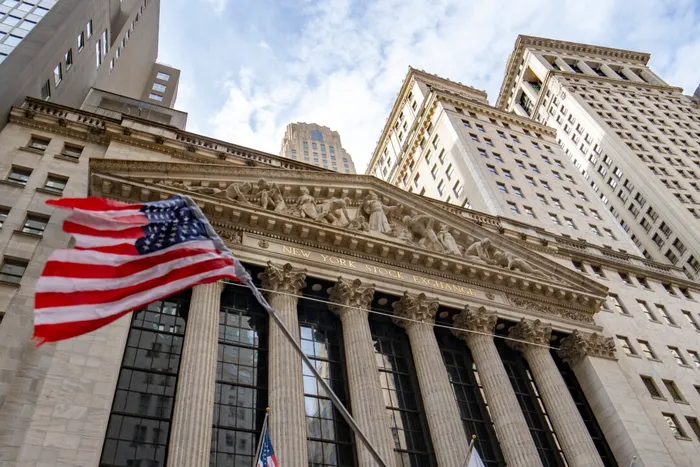
The opening bell rang, the Dow Jones Industrial Average plummeted 500 points, and the financial media immediately broke into its choreographed dance of panic. Oil is up 8 percent. The tickers are bleeding red. The "experts" are scrambling to explain why the sky is falling.
They are lying to you. Or worse, they are simply repeating the same tired scripts they’ve used since 1987 because they don't understand how modern liquidity actually works.
A 500-point drop in the Dow is not a crisis. It is a rounding error. It is a necessary flushing of the pipes. If you are staring at your screen with sweaty palms because the "Opening Bell" was a bloodbath, you aren't an investor; you’re a spectator at a magic show, and you’re looking at the wrong hand.
The Myth of the "Crashing" Dow
Let’s start with the math that the headlines conveniently ignore. The Dow Jones Industrial Average is a price-weighted relic. It is a nineteenth-century tool trying to measure a twenty-first-century digital economy. When the Dow sits at 38,000 or 40,000, a 500-point move is a mere 1.2% to 1.3% fluctuation.
Calling a 1.3% move a "plunge" is like calling a puddle an ocean.
In the 1990s, a 500-point drop meant the world was ending because the index was at 5,000. Today, it’s just Tuesday. The media keeps using "points" instead of "percentages" because "500" sounds terrifying while "1.2%" sounds like a reason to go get a sandwich. They need your fear to sell ads for gold coins and annuities.
I have sat in rooms with institutional traders who pray for these mornings. Why? Because retail investors—the "dumb money"—react to the 500-point headline by hitting the sell button. This creates a liquidity vacuum. The big players, the ones who actually move the needle, use that vacuum to scoop up high-quality assets at a discount. They aren't "weathering the storm." They are the ones who turned on the rain machine.
Oil at 8 Percent Is a Reality Check, Not a Death Sentence
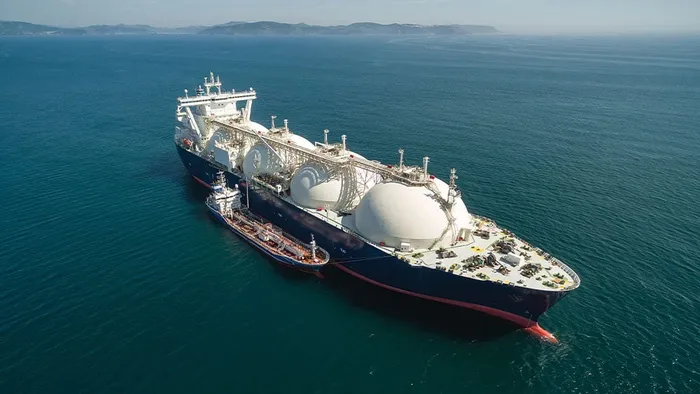
The second half of the panic involves the 8 percent surge in crude. The narrative is always the same: higher energy costs will choke the consumer, inflation will spike, and the Fed will have to keep rates in the stratosphere.
This perspective is fundamentally lazy.
Oil doesn’t surge 8 percent in a vacuum. It surges because of geopolitical friction or supply-side shocks that usually coincide with a strengthening of the dollar or a shift in global demand. Yes, your commute gets more expensive. Yes, logistics costs rise. But look at the historical correlation between oil spikes and industrial innovation.
When energy gets expensive, inefficiency dies.
The "lazy consensus" says high oil prices kill growth. The reality? High oil prices accelerate the transition to efficiency. I’ve seen companies ignore their bloated supply chains for years when oil was at $50. The moment it hits $90, they find 20% in "unfindable" savings within six months. Pain is the only real catalyst for corporate discipline. If you want a leaner, more profitable economy, you should want oil to stay expensive enough to force the laggards out of the market.
The Volatility Trap
Most people ask: "How do I protect my 401k from this volatility?"
That is the wrong question. The right question is: "How much is the market paying me to take this volatility off someone else's hands?"
Volatility is not risk. Risk is the permanent loss of capital. Volatility is simply the price of admission for superior returns. If you want a smooth ride, put your money in a savings account and watch its purchasing power get eaten by the very inflation you’re afraid of.
The "Opening Bell" panic is a psychological trap designed to make you trade frequently. Every time you trade, the house (the brokerages and the market makers) wins. They love a 500-point drop because volume spikes. They don’t care if the market goes up or down; they care that you are active.
Why the "Surge" in Oil is Actually a Hedge
If you’re holding a diversified portfolio and you’re terrified of an 8 percent oil surge, you’ve failed at basic asset allocation. Energy stocks are the natural hedge against the very inflation that the media claims will destroy your portfolio.
In a scenario where oil sustains these gains, the energy sector—which has been undervalued for much of the last decade—becomes a cash-flow machine. Dividends increase. Buybacks accelerate. The capital simply shifts from tech and consumer staples into energy and materials.
The money doesn't disappear. It just changes seats.
The "crash" the media is selling you is just a rebalancing act. If you’re crying about your tech stocks being down 3% while ignoring that your energy exposure could be up 10%, you’re viewing the market through a straw.
Dismantling the "People Also Ask" Nonsense
You’ll see these questions trending the moment the red candles appear:
- Is it time to move to cash? No. Moving to cash during a 1.3% dip is how you lock in a loss and miss the recovery. Markets spend more time going up than down. By the time you feel "safe" enough to get back in, the market will already be 1,000 points higher.
- Will the Fed pivot because of this? The Fed does not care about a 500-point move in the Dow. They care about the credit markets. Until the plumbing of the bond market breaks, the Fed is perfectly happy to let equity speculators sweat.
- Is this the start of a recession? A recession is a broad decline in economic activity, not a bad morning on Wall Street. Stop conflating the stock market with the economy. They are two different animals that occasionally look at each other through a fence.
The Insider’s Playbook for Red Mornings
I’ve spent twenty years watching people panic at the opening bell only to regret it by the closing bell. If you want to actually win in this environment, you have to do the things that feel uncomfortable.
- Stop checking the price of the Dow. Check the VIX (Volatility Index). If the VIX isn't screaming, the 500-point drop is noise.
- Look at the bond market. If the 10-year Treasury yield isn't moving in lockstep with the equity drop, the "panic" is contained to a few over-leveraged hedge funds getting margin called. It’s not a systemic collapse.
- Audit your "defensive" stocks. Most people buy "safe" stocks that actually have high debt loads. When oil surges and rates stay high, these "safe" stocks get crushed. True safety is a clean balance sheet and high free cash flow, regardless of the sector.
The Brutal Truth
The market needs these drops. It needs to shake out the people who are trading on emotion and leverage. It needs to punish the "buy the dip" crowd that has become too complacent.
When the news tells you that "billions were wiped off the market value," remember that the value wasn't "wiped out." It was simply transferred. It was transferred from the person who panicked at 9:30 AM to the person who had the capital and the guts to buy at 10:00 AM.
Stop looking for a "return to normal." This is normal. The 500-point drop is the sound of the engine downshifting. The oil surge is the cost of doing business in a complex world.
If you can't stomach a 1.3% move without checking your retirement balance, you shouldn't be in the market. You should be in a laddered bond portfolio, quietly accepting your 4% while the rest of us build real wealth on the back of the volatility you’re too afraid to embrace.
Log off. Put your phone away. Let the machines fight it out. The world isn't ending; it's just getting on sale.