The physical toll of an acting career usually involves long hours on set, missed meals, and the occasional stunt gone wrong. But for veteran character actor A. Russell Andrews, the first signs of trouble weren't from a grueling shooting schedule. They started with dropped cups, spilled glasses, and an inexplicable slowness during basic household chores.
Andrews, a standout performer known for his work in Insecure, Better Call Saul, and Straight Outta Compton, recently went public with a devastating reality. He has been living with amyotrophic lateral sclerosis (ALS), the progressive neurodegenerative disease commonly known as Lou Gehrig's disease. At 64, Andrews faces a battle that strips away motor skills, speech, and independence.
But his public announcement isn't just a tragic piece of celebrity news. It exposes a massive, systemic flaw in how the entertainment industry protects its workers during times of crisis.
The Hidden Timeline of a Devastating Diagnosis
The timeline of Andrews' illness reveals how easily vulnerable creative professionals can fall through the cracks. His earliest symptoms surfaced back when the COVID-19 pandemic first paralyzed Hollywood. He felt muscle twitches and localized weakness. Like many, he initially rationalized the changes. He figured he was dealing with a pinched nerve or maybe recovering from an unnoticed minor stroke.
Then came the Hollywood strikes of 2023. As productions ground to a halt across the industry, thousands of actors lost the work hours required to maintain their union health insurance. Andrews was one of them.
Without active health coverage, getting expensive neurological testing was out of the question. He had to wait out the industry shutdown before he could even see a doctor. When his insurance finally kicked back in, his primary care doctor took one look at his physical state and sent him to a neurologist immediately. Within 15 minutes of that specialist consultation, the reality became clear. He was officially diagnosed with ALS in late 2025.
Consider the cruelty of that timing. A progressive disease that attacks motor neurons was allowed to run rampant without medical intervention, simply because an industry labor dispute stripped a veteran worker of his healthcare right when he needed it most.
What ALS Does to a Performer
To understand why this hits the theater and film community so hard, you have to look at what ALS actually does to the human body. The disease targets nerve cells in the brain and spinal cord. When these motor neurons die, the brain can no longer initiate or control muscle movement.
For a seasoned performer, your body is your instrument. Andrews spent over 25 years building a reputation as a master of physical and vocal precision. Playwright August Wilson famously considered Andrews a "hired gun" for his stage plays, calling on him to originate complex, heavy-hitting roles in Jitney, Ma Rainey's Black Bottom, and King Hedley II.
ALS Progression Stages:
Early: Muscle twitches, cramping, dropped objects, subtle changes in gait.
Middle: Muscle weakness spreads, difficulty swallowing, slurred speech, mobility loss.
Late: Near-total paralysis, inability to breathe without mechanical assistance.
When you lose control over your muscles, you lose the ability to project a line across a packed theater. You lose the ability to hit a mark on a film set. The disease forces an aggressive, unwanted retirement on people who still have immense creative energy to offer.
The Reality of Hollywood Caregiving
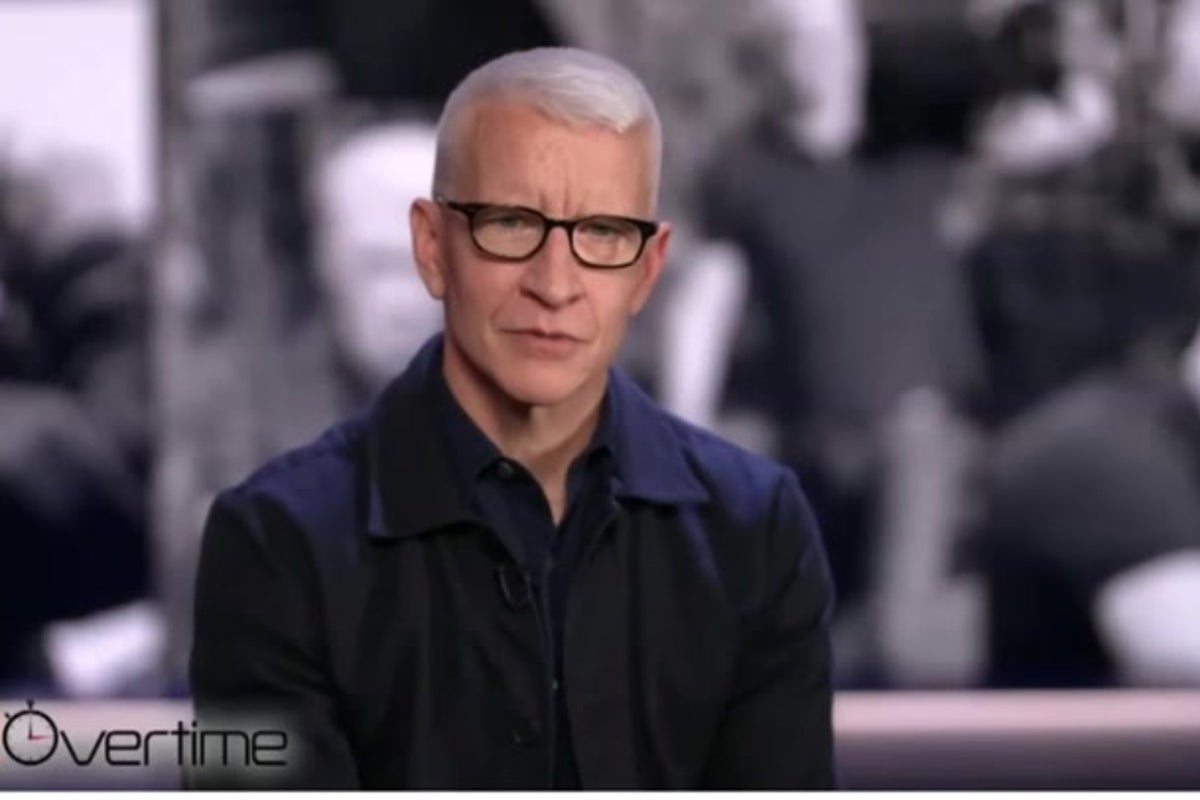
When Andrews sat down on CNN alongside his fiancée, actor Erica Tazel, the conversation quickly shifted from his career to their daily survival. Tazel has stepped directly into the grueling role of primary caregiver.
It's an exhausting reality that many families face in silence. Tazel recalled noticing the warning signs long before the official diagnosis, watching Andrews struggle with a routine task like cleaning their pool. Yet, when the formal diagnosis came down, her response was instant and unwavering: "At least now we know what it is, and I still want to be your wife."
That level of devotion is beautiful, but the administrative and physical burden of caregiving is staggering. The ALS Network, which Andrews has partnered with for ALS Awareness Month this May, emphasizes that the illness affects the entire family unit. Alongside his fiancée and his daughter Anya, Andrews is trying to pivot his platform toward advocacy. He wants to ensure that regular people dealing with this diagnosis have access to a support system that doesn't rely entirely on personal wealth.
The Broader Industry Crisis
Andrews isn't the only member of the Screen Actors Guild family to face this specific nightmare recently. His announcement comes just months after the tragic passing of Grey's Anatomy star Eric Dane, who also battled the condition.
The repetition of these stories highlights a glaring issue. The current framework of entertainment industry benefits is built for a different era. If an actor cannot log a specific number of on-camera hours within a calendar year, their safety net vanishes. It creates a horrific catch-22: you can't get health insurance because you're too sick to work, and you can't get treated for your sickness because you don't have health insurance.
We need to talk honestly about creating sustainable, long-term health funds for veteran performers that aren't tied strictly to recent employment metrics. When a worker dedicates decades to their craft, their medical safety shouldn't evaporate the moment an industry-wide strike or a global pandemic shuts down production sets.
Real Steps for Supporting the ALS Community
If you want to move past passive sympathy and take actual action to support people living with this disease, focus on the infrastructure that keeps them afloat.
- Fund Regional Care Services: Organizations like the ALS Network provide physical equipment, communication devices, and respite care grants directly to families. Local chapters often need financial backing more than national research entities.
- Support Caregiver Relief Initiatives: Caregiver burnout is a massive medical issue in its own right. Backing programs that offer temporary, professional relief care gives family members a chance to rest.
- Advocate for Healthcare Continuity: Push for policy changes within entertainment unions (like SAG-AFTRA) to protect members facing chronic, degenerative conditions from losing their health coverage during work dry spells.
Andrews put it plainly during his public announcement: "This moment is bigger than me. It's about making sure people feel supported, and making sure we keep moving forward." The entertainment industry owes it to workers like him to make sure that forward progress includes a functional safety net.