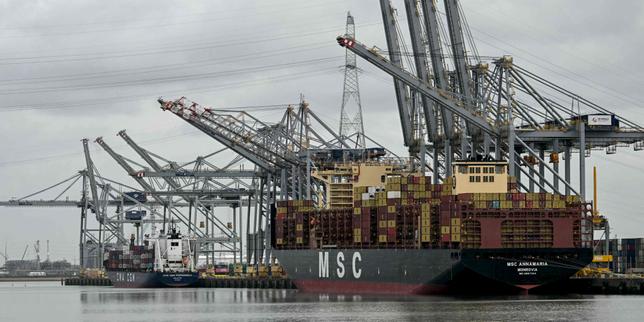
The Port of Antwerp-Bruges doesn't just sit there. It breathes. It's the second-largest maritime hub in Europe, a massive engine that keeps the continent’s supply chains moving. When a leak happens, the gears don’t just grind; they stop. This recent oil spill near the Deurganckdock wasn't some minor puddle. It was a logistical nightmare that forced authorities to slam the brakes on shipping traffic, leaving vessels idling and companies sweating over their bottom lines.
If you’re wondering why a localized spill in Belgium matters to someone in Berlin or Paris, it’s simple. This port handles everything from chemicals to cars. When one terminal goes dark, the ripple effect hits every warehouse and retail shelf connected to it. The port authority initially hoped for a twenty-four-hour turnaround, but cleaning up heavy oil in a tidal environment is never as fast as a press release suggests. It’s messy, expensive, and technically exhausting.
Why Oil Spills in Antwerp Are a Different Beast
Most people hear "oil spill" and think of a tanker breaking in half in the middle of the ocean. That’s bad, sure. But a spill inside a concentrated industrial port like Antwerp-Bruges is a surgical disaster. The Deurganckdock is a lifeline for container traffic. You can't just throw some sawdust on it and call it a day.
The oil involved here is usually heavy fuel or crude. It’s thick. It sticks to the hulls of every ship in the vicinity. If you let a contaminated ship leave the dock, you’re just spreading the pollution to the next port. This creates a massive bottleneck. Every single vessel in the affected zone has to be inspected and, if necessary, cleaned before it can move. Imagine a car wash, but for a 400-meter-long container ship. It’s slow. It’s tedious.
I’ve seen how these operations go. They use floating booms to contain the slick, which is standard. But in a port with heavy currents and constant movement, those booms only do so much. You’re fighting physics. The cleanup crews use skimmers to suck the oil off the surface, but the real headache is the "bath-tub ring" left on the quay walls and the ships. Until that’s gone, the port is effectively a crime scene.
The Massive Price Tag of a Day Without Shipping
One day of closure in a major port isn’t just about lost time. It’s about cold, hard cash. We’re talking about millions of euros in liquidated damages and lost productivity. Shipping lines operate on razor-thin schedules. A twenty-four-hour delay in Antwerp can mean a ship misses its berthing slot in Hamburg or Felixstowe.
- Port fees still accrue.
- Fuel costs for idling engines.
- Penalties for late delivery of goods.
- Crew overtime.
When the port says they hope to resume in twenty-four hours, they're trying to calm the markets. But the reality on the water is often different. If the wind shifts or the tide pulls the oil into a hard-to-reach corner of the dock, that timeline goes out the window. The economic pressure to reopen is immense, yet the environmental regulations are ironclad. You can't just flush the oil out to sea and pretend it didn't happen.
Cleaning a Ship Is Not Like Washing Your Car
You can't just spray some degreaser on a massive hull and hope for the best. The process is intense. Specialized teams use high-pressure hot water and specific chemical agents that break down the oil without killing the local ecosystem. It’s a delicate balance. If the water's too hot, you damage the ship's coating. If the chemicals are too harsh, you face massive fines from environmental agencies like the Flemish specialized entities that monitor water quality.
During this specific incident, the focus remained on the Deurganckdock because of its importance to the global container trade. This isn't some quiet backwater. It’s where the giants dock. If those berths are occupied by ships that can't move because they're covered in sludge, new ships can't come in. The queue starts growing out in the North Sea. You end up with a parking lot of the world's most expensive metal.
How the Port Handles the PR Nightmare
Port authorities are experts at crisis management. They have to be. They work closely with the Brabo Group and other technical partners to coordinate the response. But there's always a tension between the environmental reality and the commercial necessity. They tell the public the "situation is under control" while behind the scenes, logistics managers are screaming into their phones.
The truth is that these incidents happen more often than the industry likes to admit. Small leaks are common. Large ones that shut down a whole section of the port are rare, and that’s why this made headlines. It exposes the vulnerability of our global trade system. We rely on these narrow points of entry, and when a few hundred liters of oil hit the water in the wrong spot, the system breaks.
The Long Road to Normalcy
Resuming activities doesn't mean everything is back to normal. Even after the "open" sign is flipped, the backlog remains. You have a week's worth of work crammed into a few days. Cranes work overtime. Truckers wait in longer lines at the gates. The stress on the infrastructure is visible.
If you’re a business owner waiting on a shipment, don't expect your container the moment the port reopens. The "first-in, first-out" rule rarely applies during a crisis. The port prioritizes based on a dozen different factors, including the type of cargo and the urgency of the vessel's next destination. It’s a giant puzzle where the pieces keep moving.
What Needs to Change to Avoid the Next Shutdown
We talk a lot about "smart ports" and automation, but we're still incredibly vulnerable to old-school industrial accidents. Improved sensors could catch leaks faster. More permanent booming systems might prevent a small leak from covering a whole dock. But as long as we’re moving millions of tons of oil and fuel, the risk is there.
The Port of Antwerp-Bruges is a marvel of engineering, but it’s still at the mercy of a single broken pipe or a careless valve turn. This incident is a wake-up call for the shipping industry to invest more in immediate containment technology. We can't afford to lose days of trade every time a little oil hits the water.
Check the shipping schedules directly through the port's digital portal rather than relying on general news updates. Those portals provide real-time data on berth availability and vessel status. If you have cargo in transit, contact your freight forwarder immediately to discuss rerouting options or to get an honest estimate on the delay. Don't wait for the official press release to tell you what you already suspect. The delay is always longer than they say it is.