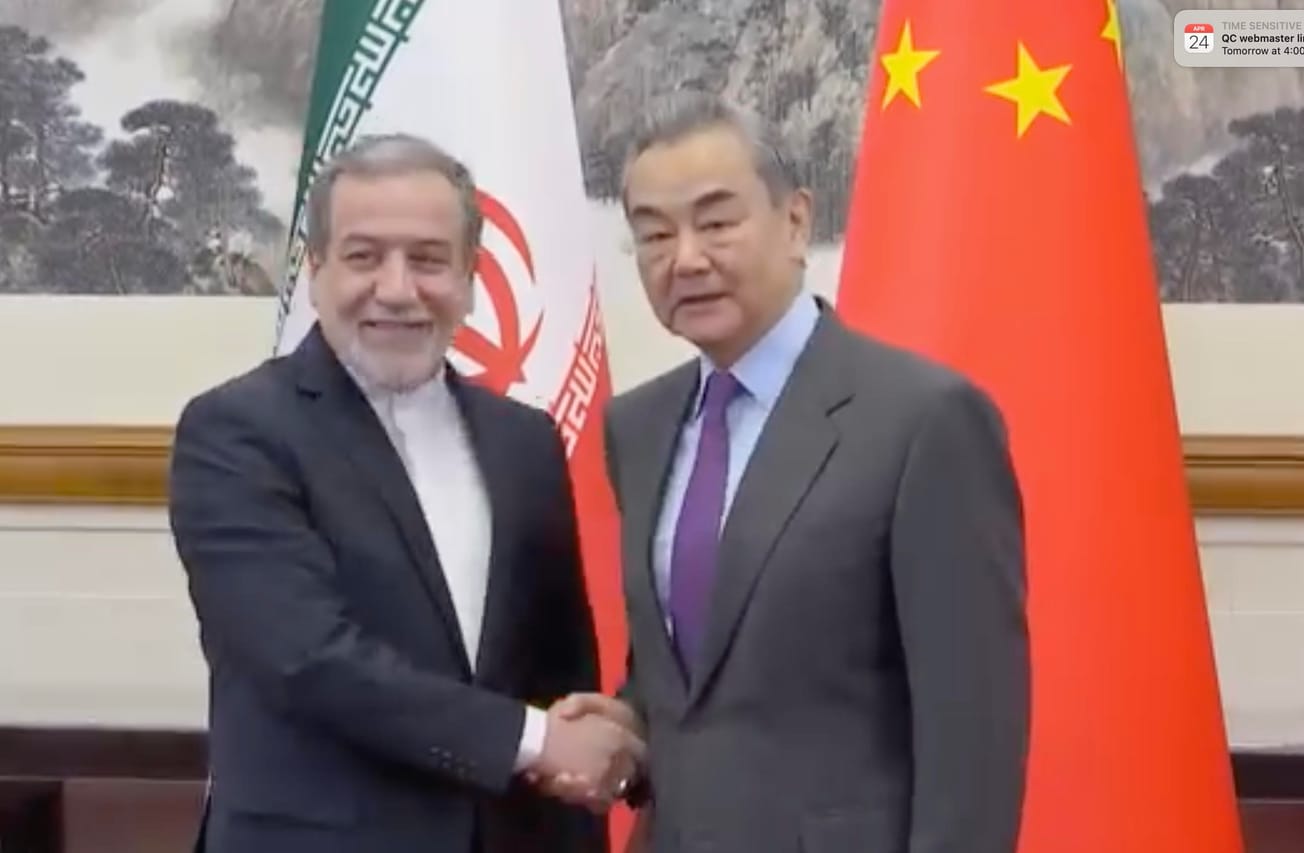
Abbas Araghchi isn't just visiting Beijing for a photo op. When the Iranian Foreign Minister sat down with Wang Yi on Wednesday, he wasn't there to exchange pleasantries; he was there to set the stage for one of the highest-stakes diplomatic showdowns in modern history. With the Trump-Xi summit scheduled for May 14-15, Tehran is making sure it isn't just a talking point on someone else’s agenda. Araghchi’s message was blunt: Iran is "serious and steadfast" in diplomacy, but it's not going to be bullied into a one-sided deal while a U.S. naval blockade sits on its doorstep.
If you think this is just another regional spat, look at your gas prices. This visit is the first time Araghchi has touched down in China since the U.S.-Israeli war on Iran triggered a global oil supply shock that makes the 1970s look like a minor hiccup. China, the world's largest crude importer, is feeling the heat. They need the oil flowing. Trump needs a win. Iran needs its sovereignty respected. This meeting is where those three conflicting realities collide.
The Strategy Behind the Serious and Steadfast Label
When Araghchi tells Wang Yi that Iran is "serious and steadfast," he’s using a specific kind of diplomatic code. It’s a dual-track signal. On one hand, it’s an olive branch to the mediators—specifically Pakistan, which has been working overtime to keep the April 8 ceasefire from collapsing. On the other hand, it’s a warning. Iran is signaling that while it’s ready to talk, it hasn't been "beaten" into submission despite the heavy military losses and the ongoing blockade of its ports.
You've got to understand the timing. Trump is heading to Beijing in a week. By meeting Wang Yi now, Araghchi is essentially handing China the "Iranian terms" to put on the table before Trump even lands. These terms aren't a mystery anymore. Araghchi made it clear: Iran only accepts a "fair and comprehensive agreement." They aren't looking for a temporary truce that leaves the U.S. Navy in control of their trade routes indefinitely.
China as the High-Stakes Broker
China is in a weird spot. Honestly, they’ve played a very measured game so far. They haven't openly condemned U.S. naval activity in the region, but they also haven't joined Trump’s "international operation" to forcibly open the Strait of Hormuz. Why? Because they know that if they pick a side too early, they lose their leverage.
Wang Yi’s response during the meeting was telling. He called for a "complete cessation of hostilities" and pointedly supported Iran’s "legitimate right to the peaceful use of nuclear energy." That’s a direct jab at the hardline U.S. stance. But here’s the kicker: Wang also urged for the "normal and safe passage" through the Strait of Hormuz. That’s a polite way of telling Tehran, "We support you, but you’re killing our economy with these shipping disruptions."
- Energy Security: China used to buy 80% of Iran’s oil. Now, that supply is a question mark.
- Strategic Space: While the U.S. is bogged down in the Middle East, China has more room to breathe in Asia.
- Global Image: Beijing wants to look like the adult in the room compared to what they frame as "U.S. aggression."
What Most People Get Wrong About the Trump-Xi Summit
The mainstream media is painting the upcoming Trump-Xi summit as a trade meeting with a side of Iran. That’s backwards. The Iran conflict is the primary reason the summit was delayed from March to May. Trump is under massive domestic pressure. He’s got 13 U.S. servicemen dead, a volatile ceasefire, and an energy market that is screaming for stability.
Trump has already hinted that he’s making "great progress" on a deal, even pausing the guiding of stranded vessels in the Strait to give diplomacy a chance. But Araghchi’s presence in Beijing suggests that the "progress" might not be as smooth as the White House claims. Iran isn't just going to sign whatever Trump puts in front of them. They are leaning on their "close friend" China to ensure the final deal isn't just a surrender document.
The Strait of Hormuz Factor
This is the real chokepoint—literally and figuratively. U.S. Treasury Secretary Scott Bessent has been pushing China to use its "military might" to help secure the waterway. China hasn't bitten yet. They prefer the diplomatic route because it keeps their relationship with the Gulf states intact.
Araghchi’s tour didn't start in Beijing. He’s already been to Pakistan, Oman, and Russia. He’s building a coalition of countries that are tired of the war and want a return to "normal" shipping without a permanent U.S. military footprint in the Persian Gulf. If China backs this vision during the summit, Trump’s "maximum pressure" tactics might hit a brick wall.
What Happens Next
Watch the rhetoric coming out of Beijing over the next 48 hours. If China starts using the phrase "comprehensive agreement" more frequently, it means they’ve bought into the Iranian framework. For the rest of us, the next few days are a waiting game.
- Monitor the Ceasefire: Any "malicious act" or drone strike in the Gulf will blow the Trump-Xi talks out of the water before they start.
- Watch Oil Futures: The market is betting on a breakthrough. If the Beijing talks feel cold, expect a massive spike in crude prices.
- The UN Security Council: China holds the presidency right now. Look for them to push a resolution that mirrors Araghchi’s "fair and comprehensive" language to test the U.S. reaction before the summit.
Don't expect a simple handshake and a deal. The road to May 14 is paved with incredibly complex demands, and Araghchi just made sure Iran’s voice is the loudest one in the room.