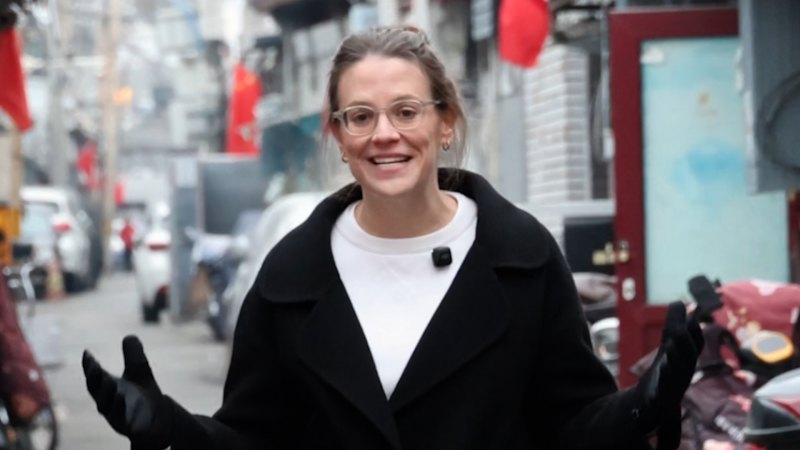
The silence from the ground in China has been deafening for years. Since 2020, Australian media coverage of the world’s second-largest economy has felt like watching a play through a thick, foggy window from across the street. We’ve had analysts in Canberra or Sydney guessing at the internal dynamics of the Communist Party based on satellite imagery and translated press releases. That’s finally changing. The return of correspondents from The Sydney Morning Herald and The Age to Beijing isn’t just a win for Nine Publishing. It’s a massive shift for anyone who actually wants to understand what’s happening in our own backyard.
Being a foreign correspondent in China is notoriously difficult. It’s a grind of surveillance, blocked interviews, and the constant pressure of visa renewals. But without those boots on the ground, we lose the nuance. We lose the "vibe" of the streets in Shanghai or the real sentiment of tech workers in Shenzhen. You can't get that from a Zoom call or a government-sanctioned TikTok video. For a different view, see: this related article.
Why the return of Australian reporters matters for the region
For three years, the Australian media presence in mainland China was effectively zero. Following the high-stakes diplomatic standoff that saw Bill Birtles and Michael Smith rushed out of the country under consular protection, a void opened up. During that time, we relied on secondary reporting or global agencies. While those agencies do great work, they don't look at China through the specific lens of Australian interests—trade, regional security, and our complex diaspora ties.
The fact that Beijing is granting these visas now suggests a thawing of the "deep freeze" that defined the Scott Morrison era. It’s a pragmatic move. China knows it needs to manage its image better as its economy faces significant headwinds, from a property crisis to an aging population. Australia, under the Albanese government, has opted for a policy of "stabilization." This doesn't mean we're best friends again. It means we're talking. Having journalists there to document that talk—and the inevitable friction—is the first step toward a more mature relationship. Similar coverage on the subject has been published by NPR.
The reality of reporting from behind the Great Firewall
Don't think for a second that these reporters are going to have an easy time. The China of 2026 is vastly different from the China of 2010. Security laws have tightened. Public dissent is quieter. For a journalist, simply getting a local to speak on the record about anything more controversial than the weather is a Herculean task.
I’ve seen how this plays out. You book an interview, and an hour before it starts, the subject "disappears" or their boss suddenly remembers a mandatory meeting. Your "assistant" might actually be a government-appointed shadow. You learn to leave your main phone in a lead-lined pouch and talk in parks where the wind can muffle the microphones. It’s exhausting.
But the value is in the small details. It’s seeing the empty storefronts in Tier 2 cities that the official GDP numbers might gloss over. It’s witnessing the scale of the green energy transition with your own eyes. These are the stories that shape our trade policy and our national security debates. When we report on China from a distance, we tend to treat it as a monolith. When we report from inside, we see the cracks, the diversity, and the reality.
Breaking the cycle of megaphone diplomacy
For too long, the conversation between Australia and China has happened via angry press releases and state-media editorials. This "megaphone diplomacy" is lazy. It simplifies complex geopolitical tensions into soundbites. Having veteran reporters like Eryk Bagshaw back on the ground allows for a different kind of storytelling. It allows for context.
Take the trade sanctions on wine and barley. From Sydney, it looked like a simple act of bullying. On the ground, you can talk to the distributors and the consumers to see how the market shifted in our absence. You can see which competitors moved in to fill the gap. That’s the kind of intelligence Australian businesses need.
We also need to talk about the human element. The detention of Cheng Lei and Sean Turnell (in Myanmar, but related to the broader regional tension) hung over the media landscape like a dark cloud. With Cheng Lei now back in Australia and working in the media again, there's a sense that some of the most acute tensions have eased enough to allow for professional engagement to resume. It's a calculated risk for the journalists involved, but it's one that serves the public interest.
Moving past the speculation
If you're following these developments, don't just look at the headlines. Look at the datelines. When you see "Beijing" at the top of a story in the SMH or The Age, realize that the information has been gathered through direct observation. This reduces our reliance on the echo chambers of social media and think-tank speculation.
The next few months will be a litmus test. We’ll see how much access these reporters are actually given. We’ll see if they’re allowed to travel to sensitive regions or if they’re penned into the diplomatic quarters of the capital. Regardless of the restrictions, their presence is a signal that the "silent era" of Australian-Chinese relations is ending.
To stay informed, compare the reporting coming out of Beijing with the official statements from the Global Times. Notice the discrepancies. Pay attention to stories about the Chinese middle class and their spending habits, as these are the leading indicators for the Australian economy. If you want to understand the future of the Indo-Pacific, stop reading the pundits and start reading the correspondents who are actually walking the streets they write about. Keep a close eye on the foreign affairs sections of Nine Publishing over the coming weeks to see the first dispatches. This isn't just news; it's the restoration of our national eyes and ears in a place that determines our future.