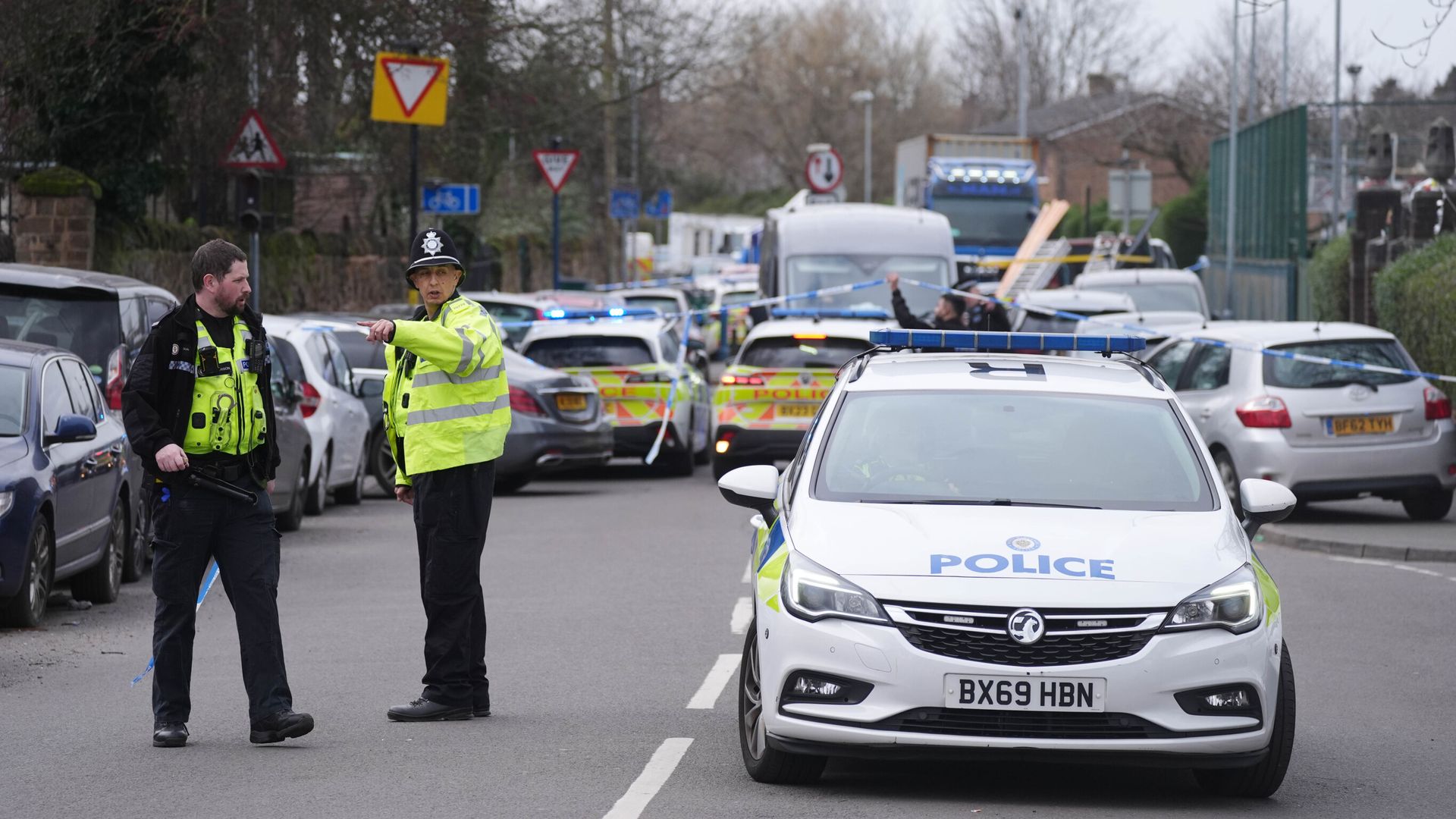
West Midlands Police have officially opened a murder investigation after a man died from his injuries following a brutal stabbing in Birmingham. It’s the kind of headline that’s becoming far too common in the city. When you look at the raw data and the frequency of these incidents, it’s clear that we aren't just looking at isolated crimes anymore. We’re looking at a systemic failure to protect the streets.
The victim, whose identity hasn't been released to the public yet pending formal notification of his family, was found in a critical state. Despite the best efforts of paramedics at the scene and the trauma teams at the hospital, he didn't make it. Now, a neighborhood is cordoned off, forensic teams in white suits are picking through the pavement, and a family is left with a hole that’ll never be filled.
The Reality of Knife Crime in Birmingham
If you live in Birmingham, you know the tension. It’s a city with a vibrant heart, but the shadows are getting longer. This latest murder investigation isn't just another police file. It represents a tipping point for many residents who feel like the "Second City" is losing its grip on basic public safety.
West Midlands Police are currently flooding the area with officers. They’re doing the door-to-knock inquiries and checking every CCTV camera within a mile radius. That’s the standard response. But it feels reactive. We see the blue lights after the blood is already on the ground. The investigation is focusing on the moments leading up to the confrontation. Was it a targeted attack? Or was it a chance encounter that turned lethal because someone chose to carry a blade?
Statistics from the Office for National Statistics (ONS) have consistently shown that the West Midlands has some of the highest rates of knife possession and sharp instrument offenses in the country. It’s a recurring nightmare. Every time a murder investigation is launched, the community holds its breath, waiting to see if the suspects are caught or if this becomes another cold case that haunts the local streets.
Why Witnesses Often Stay Silent
One of the biggest hurdles in any Birmingham murder investigation is the "wall of silence." It’s not necessarily that people don't care. It’s that they're terrified. When a stabbing happens in a residential area, the witnesses are often neighbors who have to keep living there long after the police tape is taken down.
The police are pleading for information. They’re asking for dashcam footage, doorbell camera clips, and even anonymous tips through Crimestoppers. They know that without a witness willing to stand up, these cases can fall apart in court. But the trust between the community and the authorities is frayed. To fix this, the police need to do more than just solve the crime; they need to prove they can protect the people who help them solve it.
The Role of Forensic Analysis
In modern investigations, the "Golden Hour" is everything. This is the period immediately following the crime where evidence is most preserved. In this Birmingham case, forensics are looking for:
- DNA traces on discarded items or clothing.
- Digital footprints from mobile phones pinging nearby masts.
- Blood spatter patterns that tell the story of the struggle.
- Ballistic or blade analysis if the weapon is recovered.
It’s painstaking work. It doesn't happen in forty-five minutes like on TV. It takes weeks of lab work to build a case that a Crown Prosecutor will actually take to trial.
The Impact on Local Communities
When a murder investigation is launched, the physical environment changes. Roads are closed. Buses are diverted. Kids can't play in the park because it's a crime scene. But the psychological impact is much heavier. There’s a collective sense of grief and a nagging fear that "it could have been me."
Local leaders and community activists have been shouting for years about the need for better youth engagement and more robust policing. The reality is that by the time a stabbing occurs, several systems have already failed. Education failed. Social services failed. The local economy failed to provide an alternative to the street life.
We need to stop treating these stabbings as freak accidents. They’re the predictable result of years of underfunding and a lack of clear strategy. A murder investigation is the end of the road, not the beginning. It’s the final accounting of a series of missed opportunities to intervene before a knife was ever drawn.
How to Stay Informed and Stay Safe
If you’re in the area where the incident occurred, you’ll see an increased police presence over the next few days. This is partly for the investigation and partly for "reassurance policing." Don’t be afraid to talk to them. If you saw something, even a small detail that seems irrelevant, report it. That one detail might be the missing piece of the puzzle.
Check the West Midlands Police official news site for the most accurate updates. Avoid the rumor mill on social media. Half the "details" shared in local Facebook groups are usually wrong and can actually jeopardize the legal process once a suspect is caught.
The best way to help is to provide hard evidence. If you have a Ring doorbell or a Tesla with Sentry Mode parked nearby, check your footage from the time of the incident. Don't wait for them to come to you. Reach out to the 101 service or use the Live Chat on the police website. Taking a stand is the only way to stop the cycle of violence that’s tearing into the fabric of Birmingham.
Keep your eyes open and look out for your neighbors. The investigation is ongoing, and the city is watching to see if justice will actually be served this time.