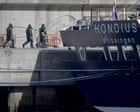
The air in Santa Cruz de Tenerife usually tastes of salt and hibiscus. It is a warm, thick Atlantic breeze that greets travelers as they step off the gangway, a sensory promise that the journey is over and the relaxation has begun. But for one passenger disembarking the MV Hondius, the air felt like glass. Every inhale was a labor, a sharp reminder that something invisible had hitched a ride from the bottom of the world.
We often think of the Antarctic as a sterile laboratory. It is a vast, white cathedral of ice where the very air is scrubbed clean by sub-zero temperatures. Travelers pay small fortunes to witness its purity, boarding expedition ships like the Hondius to see a world untouched by the frantic biological exchange of the mainland. They expect to return with photographs of leopard seals and the scent of snow. They do not expect to bring back a pathogen that thrives in the kidneys and lungs of the desperate. In related updates, take a look at: The Biological Audit Behind the Preconception Industrial Complex.
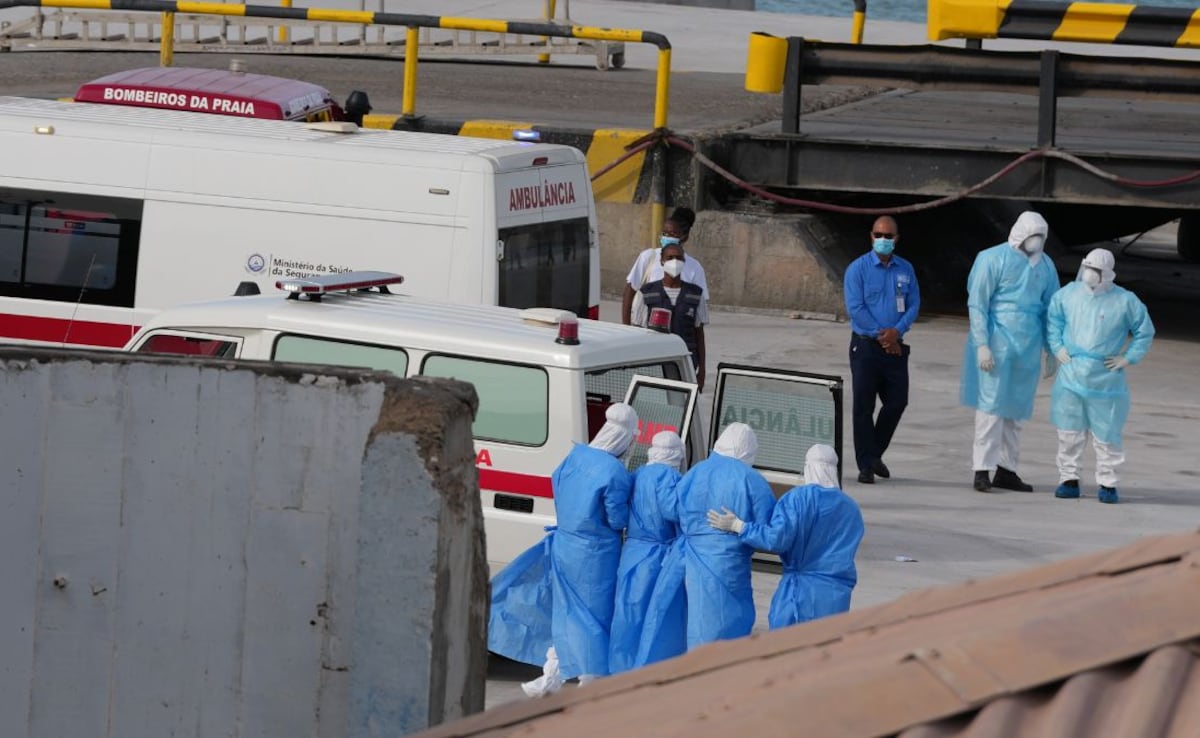
The news broke with the clinical detachment of a police blotter. A Spanish citizen, evacuated from the vessel and hospitalized in Tenerife, tested positive for Hantavirus. To the casual observer, it’s a headline. To the medical team donning N95 masks and the passengers remaining on the ship, it was the arrival of a ghost.
The Stowaway in the Marrow
Hantavirus is not like the seasonal flu that ripples through office cubicles. It is a viral family typically associated with rodents—specifically their waste. When dried droppings or urine are disturbed, the virus becomes airborne. A single breath in a dusty shed or a cramped cabin can pull the microscopic invaders into the deepest recesses of the lungs. National Institutes of Health has also covered this fascinating topic in great detail.
Consider the biology of the intrusion. Once inside, the virus doesn't just sit there. It seeks out the lining of the blood vessels, turning the body’s own plumbing against itself. In the most severe cases, the vessels become "leaky." Fluid that should stay inside the veins begins to seep into the surrounding tissue. If this happens in the lungs, it is called Hantavirus Pulmonary Syndrome. If it hits the kidneys, it is Hemorrhagic Fever with Renal Syndrome.
The Spanish evacuee wasn't just fighting a fever. They were fighting a systemic revolt.
Imagine the confusion in a pristine environment like the MV Hondius. You are thousands of miles from the nearest city. The ship is a marvel of engineering, a steel bubble of luxury against the harshest elements on Earth. Then, a passenger begins to ache. The muscles in the back and thighs throb with a dull, heavy heat. A headache arrives, sharp and persistent behind the eyes. It feels like exhaustion. It feels like the sea. Until the coughing starts.
The Geography of a Mystery
There is a logical dissonance in finding Hantavirus on an Antarctic expedition. The virus is usually a creature of the Americas or the rural stretches of Eurasia. It belongs to the deer mouse in the Montana woods or the bank vole in a Swedish forest. So, how did it find its way onto a vessel navigating the Southern Ocean?
This is where the narrative of global travel becomes a detective story. Ships are ecosystems. They carry more than just people; they carry the history of every port they’ve touched. A crate of supplies loaded in a South American harbor, a stray rodent that slipped through a mooring line, or even a dormant infection triggered by the stress of travel—the possibilities are a maze.
Health officials in Tenerife had to move fast. Public health is often a game of shadows. You aren't just treating the person in the bed; you are chasing the path they walked. Every person the evacuee spoke to, every surface they touched, and every ventilation duct on the Hondius became a variable in a high-stakes equation. The stakes weren't just the health of one Spaniard, but the integrity of the entire cruise industry's safety protocols in the post-pandemic era.
The Invisible Stakes of Exploration
We live in an age where we believe we have conquered distance. We fly over oceans in half a day and cruise to the poles in heated suites. This connectivity is our greatest achievement and our most profound vulnerability. When the MV Hondius docked, it wasn't just a ship arriving; it was a bridge.
The Spanish health authorities triggered the protocol. Isolation. Testing. Monitoring. These words sound cold, but they are the only walls we have against the microscopic. For the passengers who remained on the ship, the vacation was over long before the engines stopped. The "Antarctic experience" had been replaced by the quiet, creeping anxiety of the unknown.
Is the person in the next cabin okay? Why is the crew wearing extra protection?
The vulnerability is the point. We are biological entities moving through a world that is much older and much more resilient than our civilizations. Hantavirus is an ancient traveler. It has existed in the shadows of human expansion for centuries, waiting for the moment when a person and a pathogen cross paths in a confined space.
The Reality of the Recovery
In the hospital in Tenerife, the hum of the monitors is the only soundtrack to a slow recovery. The patient is a symbol of our modern paradox: the more we explore the edges of the map, the more we bring the edges back with us.
Medicine has come a long way. We can identify a specific viral strain in hours. We can support the lungs with ventilators and the kidneys with dialysis. But there is no "cure" for Hantavirus. There is only the body’s will to endure and the doctor’s ability to keep the lights on while the immune system fights the war.
This isn't just a story about a sick traveler. It is a story about the thin veil between our controlled, sterilized lives and the raw, unpredictable power of nature. We go to the Antarctic to feel small against the ice, to realize that the world is bigger than our screens and our cities.
Sometimes, the world reminds us of that fact in ways we didn't ask for. It reminds us through a fever that won't break and a breath that won't come easy. It reminds us that no matter how far we sail, we can never truly leave the biology of the planet behind.
The sun sets over the Teide volcano in Tenerife, casting long, purple shadows across the harbor where the ships come and go. In a quiet room, a man breathes, his lungs slowly relearning how to take in the air of the world without the weight of the ice. The threat is contained, the headlines will fade, and the Hondius will eventually sail again. But the lesson remains, floating in the air, waiting for the next deep breath.
The ice is never as empty as it looks.