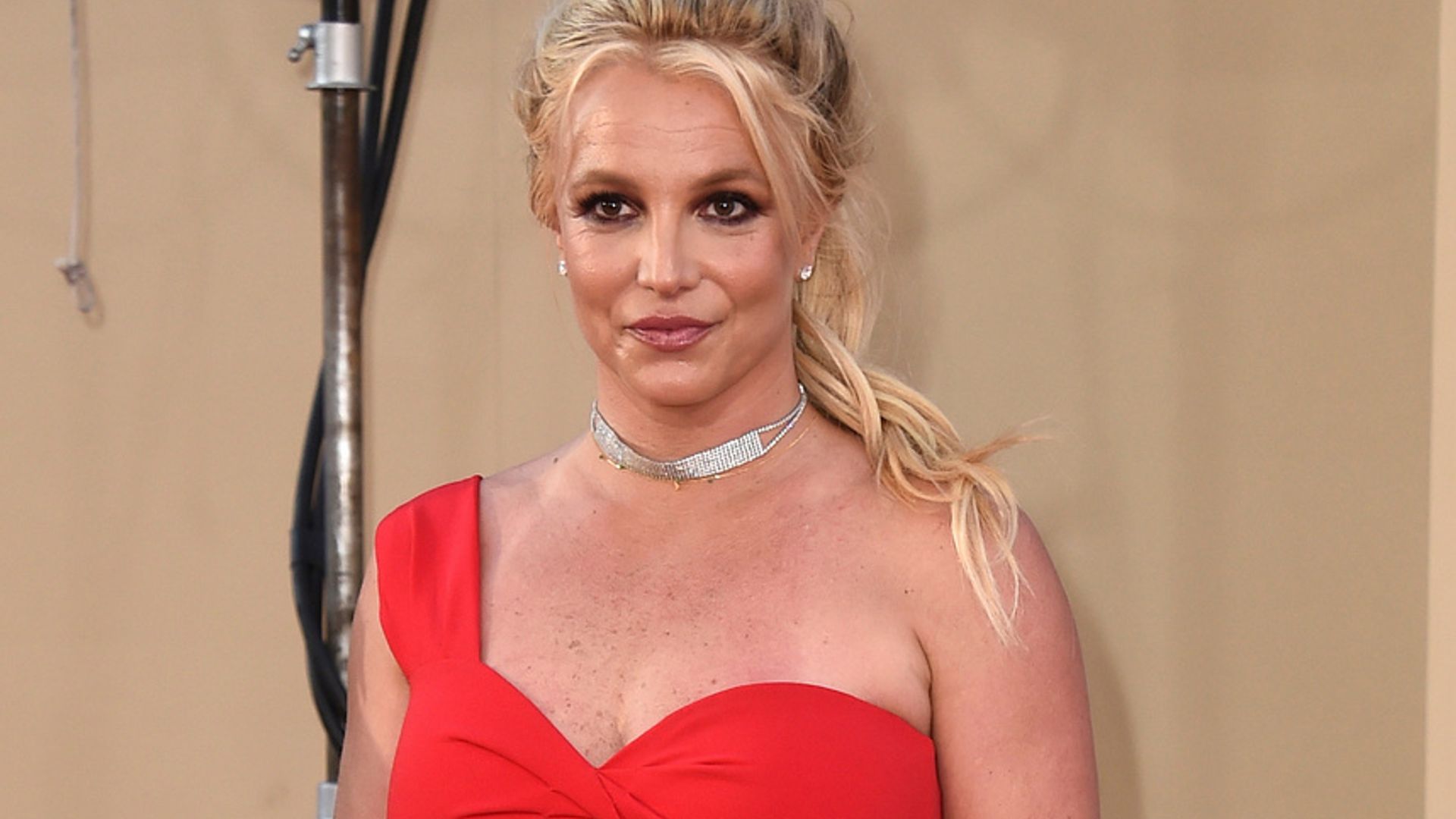
On Monday, in a Ventura County courtroom that the defendant never actually stepped foot in, the legal saga of Britney Spears’ latest brush with the law reached a scripted conclusion. Spears, through her attorney Michael A. Goldstein, pleaded guilty to a "wet reckless" charge. This is the legal equivalent of a tactical retreat. It is a reduced charge from the initial misdemeanor DUI count filed after her March 4 arrest on U.S. 101, and while it keeps her out of a jail cell, it pulls back the curtain on a precarious post-conservatorship reality that her inner circle is struggling to manage.
The "wet reckless" plea is common for first-time offenders in California, provided there was no wreckage and no injuries. But for a woman whose life was a matter of state-supervised control for thirteen years, "common" is a relative term. Spears was sentenced to one year of summary probation, a mandatory DUI education course, and a series of fines. To the casual observer, it looks like a celebrity getting a pass. To those who have tracked the 44-year-old’s trajectory since the 2021 termination of her conservatorship, it looks like the first crack in the glass house of her hard-won autonomy.
The Highway Patrol Reality
The specifics of the March arrest are more harrowing than the sanitized court filings suggest. California Highway Patrol officers stopped Spears after observing her black BMW weaving erratically at high speeds. This wasn't a minor lane drift. It was the kind of driving that triggers immediate intervention. When she was pulled over, officers reported signs of impairment that led to a series of field sobriety tests she could not complete.
The criminal complaint explicitly stated that Spears had both alcohol and drugs in her system. While the specific substances remained undisclosed by the District Attorney’s office, the "wet reckless" plea confirms the presence of alcohol was legally significant enough to warrant the charge. This contradicts the narrative pushed in her 2023 memoir, The Woman in Me, where she adamantly denied having a drinking problem or using hard drugs, though she did admit to a reliance on Adderall.
Accountability as a Legal Strategy
District Attorney Erik Nasarenko was quick to frame the plea deal as an act of "full responsibility." However, the timing of Spears’ actions suggests a more calculated move by her legal team. In April, just weeks after the arrest, Spears checked into a voluntary substance abuse treatment center.
This move was not just therapeutic; it was a masterclass in mitigation. Under California law, prosecutors are far more likely to offer a "wet reckless" deal to defendants who proactively seek help. By the time her lawyer stood before Judge Matthew Nemerson on Monday, he could point to her time in rehab as proof of "motivation to address her problems."
The legal consequences now include:
- One year of informal probation, meaning no regular meetings with a parole officer.
- Yielding Fourth Amendment rights during traffic stops, requiring her to submit to searches and sobriety tests without a warrant.
- Mandatory therapy and psychiatry, with the court requiring monthly visits to ensure compliance with a mental health regimen.
The judge notably carved out an exception for her home, ruling that the search-and-seizure waiver does not apply to her private residence. It was a small but vital win for a woman who has spent over a decade feeling like a prisoner in her own bedroom.
The Shadow of the Past
The question hanging over Ventura County is whether this arrest proves her father, Jamie Spears, was right all along. For years, the #FreeBritney movement argued that the conservatorship was an abusive tool used to strip a grown woman of her rights and her $60 million fortune. They won that battle in 2021. But freedom is a heavy burden for someone who was denied the opportunity to develop the basic executive functions of adulthood.
When her manager, Cade Hudson, called the incident "completely inexcusable" shortly after the arrest, he wasn't just talking to the press. He was talking to the court of public opinion. The fear among the Spears camp is not just jail time—it is the looming threat of a "re-conservatorship." If Spears proves she is a danger to herself or others on public roads, the legal mechanisms that were dismantled with such fanfare could be rebuilt.
A High Stakes Probation
The terms of this plea deal are strict. Judge Nemerson ordered that Spears must maintain a valid prescription for any drugs in her possession, a direct nod to the "drugs" mentioned in the original complaint. If she is caught with unprescribed medication or fails a random sobriety test during a traffic stop, the probation is revoked.
The "wet reckless" conviction stays on her record for ten years. If she is arrested for a DUI again within that decade, this incident will be treated as a prior offense, making jail time nearly inevitable. This isn't just a fine and a slap on the wrist. It is a ten-year leash.
Spears has largely stepped back from the music industry, recently selling her catalog rights for a reported $200 million. She has the money to be driven anywhere in the world. She has the resources to never touch a steering wheel again. Yet, the March arrest suggests a desire for the one thing she was denied for thirteen years: the simple, dangerous act of being in the driver’s seat.
The plea deal gets her past the immediate legal hurdle, but the real test is whether the "overdue change" her representatives promised is actually happening behind the gates of her Ventura estate. The court has done its part. The rest is up to a woman who is still learning how to live in a world where no one is holding the map.