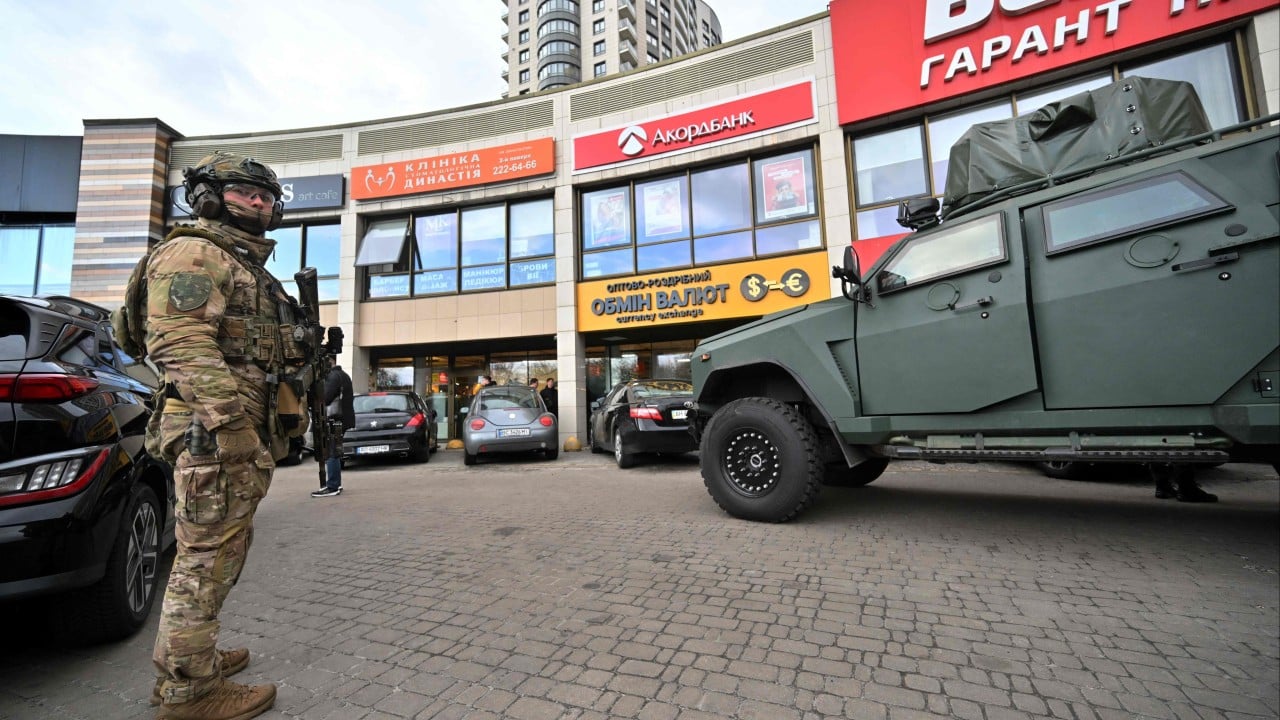
The sudden departure of Yevhen Zhukov, the head of Ukraine’s Patrol Police, signals more than just a personnel shift in a war-torn capital. It marks a breaking point for a reform effort that was once the crown jewel of post-Maidan Ukraine. Zhukov, a former paratrooper known by his call sign "Marshal," didn't just walk away because of a single shooting in Kyiv. He left because the institutional rot he was hired to clear away has finally started to reclaim the foundation of the force.
When a high-ranking officer calls a police response "shameful," he isn't just criticizing the boots on the ground. He is indicting the entire command structure, the lack of training resources, and a legal system that often leaves officers more afraid of a prosecutor’s pen than a criminal’s bullet. The Kyiv shooting served as the catalyst, but the explosives were planted years ago through budget cuts and political interference.
The Failure of the 2015 Dream
To understand why Zhukov quit, you have to look back at 2015. The Patrol Police was supposed to be different. They were the "faces of the new Ukraine"—young, untainted by the Soviet-era corruption of the old Militsiya, and trained by Western advisors. For a few years, it worked. Public trust soared.
But the honeymoon ended. While the patrol officers were new, the courts, the investigators, and the regional power brokers remained the same. Over time, the "new" police were squeezed between a public that expected miracles and a political establishment that wanted their old privileges back. Zhukov’s resignation is the final admission that the shield has cracked.
A System Designed for Hesitation
The shooting in Kyiv exposed a terrifying reality for the modern Ukrainian officer. When things go sideways, the system doesn't have your back. In Western policing models, "officer presence" and "decisive action" are backed by clear legal frameworks. In Ukraine, the line between a justified use of force and a "shameful" failure is often drawn by whoever has the most political influence at that moment.
- Training Gaps: While frontline units are diverted to the war effort, the urban patrol training has suffered.
- Retention Crisis: Low wages mean the best officers leave for private security, leaving behind the inexperienced or the desperate.
- Legal Limbo: Officers are frequently prosecuted for tactical decisions made in seconds, leading to a "do nothing" culture to avoid prison.
This culture of hesitation is what leads to the "shameful" responses Zhukov lamented. If an officer spends every shift wondering if they will be jailed for drawing their weapon, they will eventually stop drawing it altogether. Even when they should.
The Ghost of the Old Guard
There has always been a tension between the Patrol Police and the "old" National Police investigators. The old guard saw the patrol reform as a Western-imposed gimmick. They waited. They obstructed. They watched as the funding for the new force dried up while their own influence within the Ministry of Internal Affairs remained intact.
Zhukov was a soldier. He operated on the principles of clear objectives and loyalty to his subordinates. The bureaucracy of Kyiv is not a battlefield where you can see your enemy; it is a swamp where you slowly sink. His exit suggests that the swamp is winning. By labeling the response to the shooting as a disgrace, he took the hit for his officers while simultaneously pointing the finger at the leadership that failed to equip them.
The Strategic Vacuum in Internal Security
Ukraine is fighting a war on two fronts. The first is on the zero line against an invading army. The second is in the streets of cities like Kyiv, Kharkiv, and Odesa, where the rule of law is the only thing preventing internal collapse. When the most visible symbol of that law—the Patrol Police—loses its leader in a fit of public disgust, the message to the citizenry is clear: you are on your own.
This isn't just about one man’s career. It’s about whether the Western model of transparent, accountable policing can survive in a state under extreme pressure. If the Patrol Police reverts to the heavy-handed, corrupt tactics of the past to maintain order, the democratic gains of the last decade will vanish faster than a politician’s promise.
The Cost of Professional Silence
For months, there were whispers about disagreements between Zhukov and the higher-ups at the Ministry. These weren't just personality clashes. They were fundamental disagreements about the direction of the force. Zhukov wanted more autonomy and better protection for his officers. The Ministry wanted a force that was easier to control and less vocal about its shortcomings.
The Kyiv shooting gave both sides what they wanted. The Ministry got a high-profile resignation to appease a frustrated public. Zhukov got to leave with his dignity partially intact, positioning himself as the man who was "too honest" for the job. But the officers left on the street now have even less direction than before.
Beyond the Resignation
Fixing this isn't about finding a new "tough guy" to lead the department. It requires a radical shift in how police are viewed by the state.
- Legal Immunity for Standard Operating Procedures: If an officer follows their training, they must be protected from political prosecutions.
- Salary Parity: A patrol officer in Kyiv should not be making less than a delivery driver if you want them to resist a bribe or risk their life.
- Independent Oversight: The "police investigating the police" model has failed. There needs to be a body that doesn't report to the Ministry of Internal Affairs.
Without these changes, the next chief will face the exact same "shameful" results. The problem isn't the person in the office; it's the foundation of the office itself.
The departure of Yevhen Zhukov should be a klaxon for everyone invested in Ukraine’s future. It is a warning that the institutions built after 2014 are not just stalling—they are retreating. When the people tasked with protecting the peace start quitting out of shame, the peace is already gone.
The Ministry will likely appoint a successor within the week. They will promise "renewed vigor" and "comprehensive reviews" of police protocol. They will talk about "modernization" and "European standards." Ignore the press releases. Watch the patrol cars on the streets of Kyiv. Look at the eyes of the twenty-something officer standing on the corner. If you see fear or indifference instead of confidence, you’ll know that Zhukov wasn't the problem, and his resignation didn't solve a thing.
Stop looking for heroes to save the system and start demanding a system that doesn't need heroes to function.