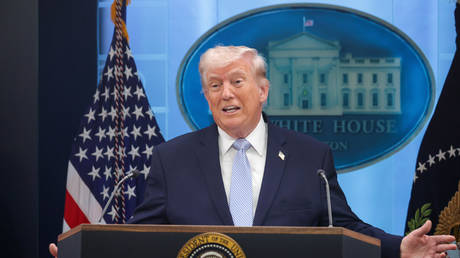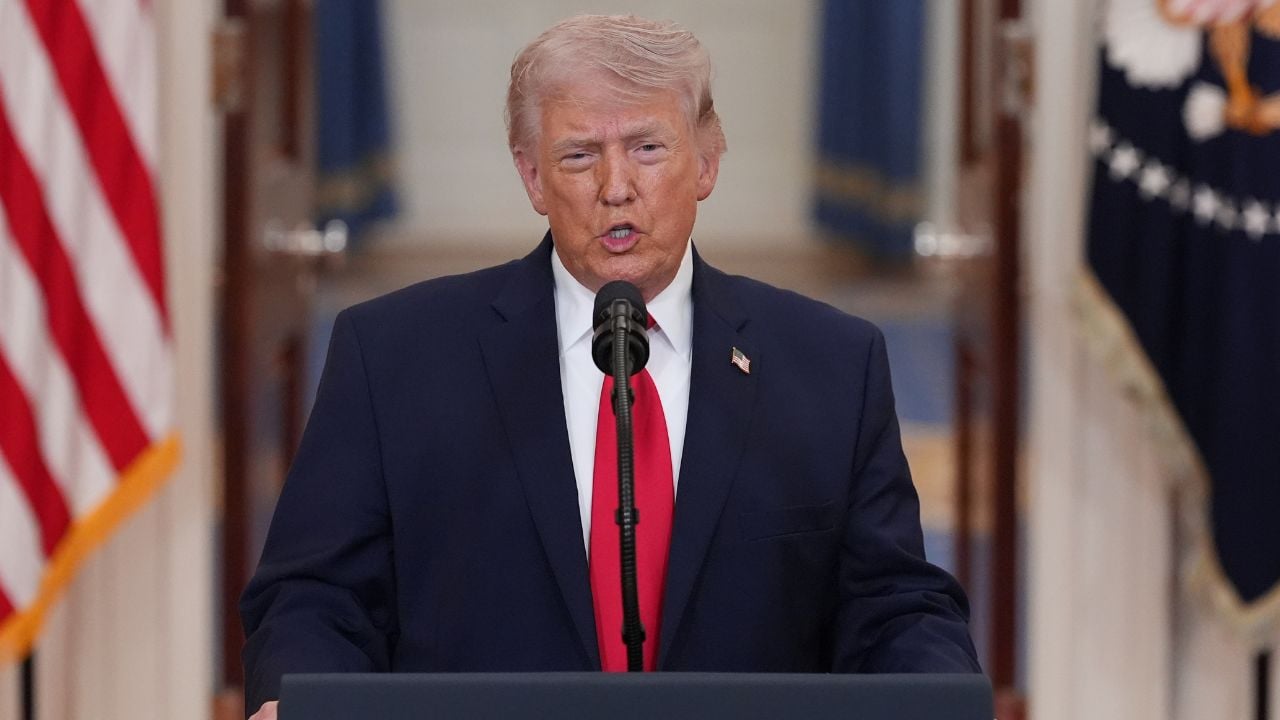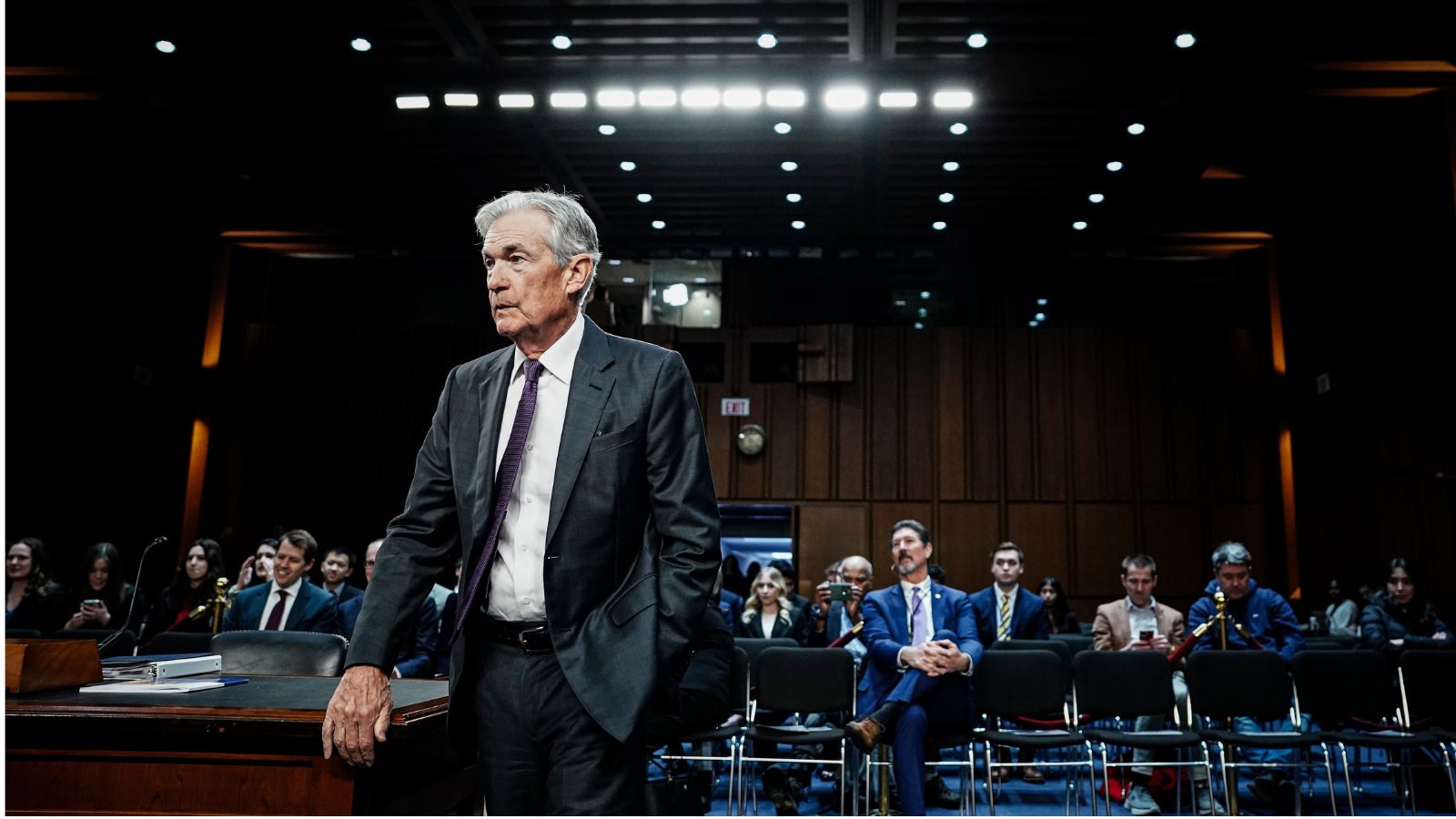
The escalating conflict between the White House and the Federal Reserve reached a breaking point this morning. During a Fox Business interview on April 15, 2026, President Trump stated he would fire Jerome Powell if the Fed Chair refuses to vacate his seat when his term as leader expires in May. This is not merely a personnel dispute. It is a fundamental assault on the century-old wall separating political ambition from the nation's monetary stability.
Jerome Powell has made his stance clear. He intends to remain on the Fed’s Board of Governors until 2028, a right granted by statute, and stay on as acting chair until a successor is confirmed. The President’s counter-move is a threat of termination that tests the very limits of executive power. At the heart of this standoff is a $2.5 billion renovation project at the Fed’s headquarters, now the subject of a Justice Department investigation that many, including federal judges, view as a political bludgeon.
The Pretext of the Renovation Probe
The Justice Department’s criminal inquiry into the Fed’s office renovations has become the primary weapon in this siege. Federal prosecutors recently made an unannounced visit to the construction site, a move that signaled an escalation in pressure. However, the legal foundation of this probe is crumbling under scrutiny.
Last month, Judge James Boasberg quashed grand jury subpoenas related to the case. He noted that the government provided no evidence of a crime, suggesting the investigation's true purpose was to harass Powell into resigning. Despite this, the President remains undeterred. When asked if he would direct the DOJ to stand down, he doubled back, citing "incompetence or corruption" as reasons to keep the heat on.
This creates a paradox for the administration. By intensifying the investigation, the White House has inadvertently stalled its own agenda. Senator Thom Tillis has stated he will not vote to confirm Kevin Warsh—Trump’s hand-picked successor—until the probe is dropped. This legislative gridlock means Powell could remain in his post as acting chair indefinitely, precisely the outcome the President is trying to avoid.
Why the Market is More Terrified Than It Looks
While stock indices have not yet collapsed, the underlying bond market is flashing warning signs. Investors are pricing in a "politicized Fed" scenario. If the President successfully removes a chair over policy disagreements, the "inflation risk premium" will skyrocket.
The logic is simple. A central bank that takes orders from the Oval Office is a central bank that will keep interest rates artificially low to juice the economy before an election. This inevitably leads to devalued currency and runaway prices. We are already seeing a steepening of the Treasury curve. Long-term yields are rising as creditors demand higher returns to compensate for the risk that future inflation will go unchecked.
The Myth of Presidential Removal Power
There is a common misconception that the President can fire the Fed Chair as easily as a Cabinet secretary. This is false. Under the Federal Reserve Act, members of the Board may be removed "for cause."
- Inefficiency: Failing to perform basic duties.
- Neglect of Duty: Ignoring the responsibilities of the office.
- Malfeasance: Committing a crime or act of corruption.
Disliking the current interest rate or wanting a "quick boost" for the economy does not constitute cause. The Supreme Court is currently weighing a related case involving Governor Lisa Cook, whom the administration tried to remove over unrelated allegations. So far, the High Court has allowed her to stay. A move against Powell would trigger a constitutional crisis that would likely end up in the same courtroom, with the global economy hanging in the balance.
The Warsh Complication
Kevin Warsh is a seasoned hand, a former Fed governor who knows the machinery of the building. Yet, he is being positioned as a "super-dove" who will slash rates to 1% as the President has demanded. This characterization creates a double-blind. If Warsh is confirmed and cuts rates, he loses all credibility with the markets as an independent actor. If he is confirmed and maintains a cautious stance, he earns the same presidential ire that Powell currently faces.
The institutional trauma of this transition cannot be overstated. The Fed operates on consensus. It is a committee of twelve voters, not a dictatorship. Even if a President installs a loyalist at the top, the remaining regional presidents and governors serve as a check. By attempting to "fire" his way to lower rates, the President is attempting to break a machine he does not fully understand.
The Cost of the Siege
We are entering a period of profound uncertainty. The Fed’s independence is not a luxury; it is the bedrock of the dollar’s status as the global reserve currency. When the line between the Treasury and the Central Bank blurs, the result is historically consistent: capital flight and the erosion of public trust.
Powell is not fighting for his job. At his age and with his resume, he has little left to prove. He is fighting for the office itself. If he walks away under the shadow of a manufactured criminal probe, he sets a precedent that the Federal Reserve is just another agency for the White House to command.
The immediate action step for those watching the tickers is to monitor the Senate Banking Committee. The confirmation hearings for Warsh will be the true barometer of this crisis. If the Senate holds the line on the DOJ probe, we face a prolonged period of "Acting Chair" leadership. If they fold, the era of the independent Fed is over.
The President says he will have to fire him. Powell says he is staying. The law says the President cannot do it. Somewhere in that triangle, the future of the American economy will be decided.
The threat is real, the legal authority is non-existent, and the market’s patience is wearing thin. This is no longer about interest rates. It is about who owns the printing press.