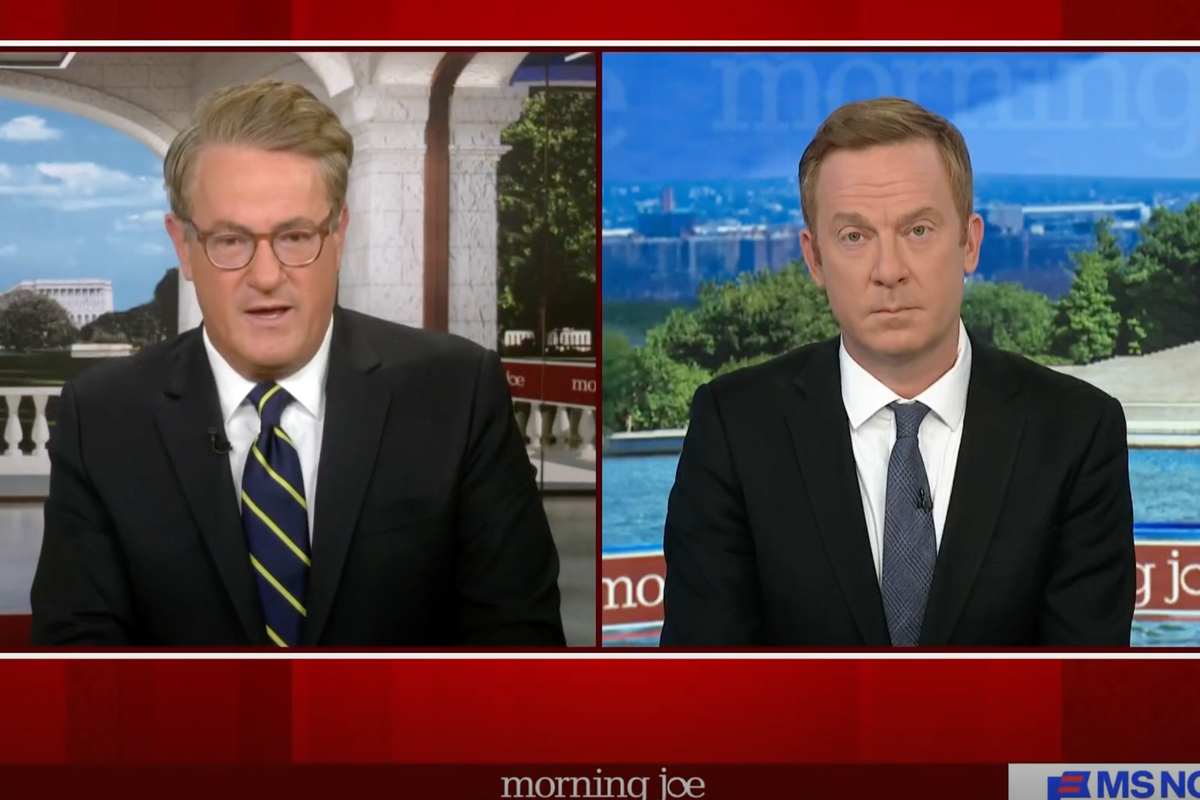
The political media industrial complex has found its comfortable baseline for the 2026 political season. On a recent broadcast, cable news mainstays sat around a table analyzing the executive branch through the lens of amateur gerontology. The consensus du jour? Dismissing claims of clinical dementia while simultaneously warning that the nearly 80-year-old Commander-in-Chief is growing increasingly erratic, unhinged, and unvetted due to age-induced disinhibition.
They watch a president threaten adversaries on social media, cancel troop deployments to longtime European allies, and post bizarre artificial intelligence art, then diagnose it as the slow burn of cognitive decline.
It is a comforting narrative for pundits. It implies that the systemic breakdown of international norms is simply a byproduct of an aging brain losing its prefrontal cortex filters.
It is also fundamentally wrong.
By treating calculated political theater as a medical event, the media completely misreads the mechanics of modern executive power. What the talking heads call "erraticism" is not a bug of an aging politician; it is a feature of a highly deliberate strategy that has defied conventional political gravity for over a decade.
The Myth of the Unfiltered Presidency
Pundits love the word "disinhibition." They point to the latest Atlantic essays arguing that an aging leader is merely screaming the quiet part out loud because the mental brakes have worn away.
I have spent years watching political operations deploy media strategies. The assumption that wild public statements are mistakes born of exhaustion or age ignores how attention economics actually works in modern politics. When a leader signals an intention to abandon NATO allies or targets a defense posture in Poland, the legacy press treats it as an unforced error.
It is not an error. It is a deliberate stress test.
In political communication, erratic behavior creates predictability for the base and paralysis for the opposition. If an adversary never knows whether an executive action is a bluff or a genuine policy shift, the adversary is forced to react to every single provocation. The media falls into this trap daily. They spend 48 hours debating the mental acuity behind a late-night post, entirely missing the actual policy shift hidden behind the noise—like a multi-billion dollar reallocation of Department of Justice funds or a quiet shift in trade enforcement.
To call this dementia is a lazy intellectual cop-out. It allows critics to avoid engaging with the reality that these positions are deeply popular with a specific, highly mobilized segment of the electorate that genuinely wants to see international alliances dismantled.
Misunderstanding the Mechanics of Aging
Let us dismantle the medicalized critique using basic workplace psychology. Critics point to physical markers—falling asleep at minor White House events, swollen joints during foreign state visits—and equate them to an inability to govern.
This stems from a flawed premise of what a modern presidency actually is. The executive branch is not a solo endurance sport. It is a corporate holding company.
[The Executive Branch Matrix]
       │
       ├── Core Executive (Sets Tone / Brand Identity)
       │
       ├── Cabinet & Agencies (Executes Specialized Policy)
       │
       └── Political Apparatus (Manages Base / Media Cycle)
A president does not need to possess the physical stamina of a 40-year-old general to wield power effectively. The primary job function is acting as a branding mechanism and a final sign-off authority for a massive, institutional apparatus.
When corporate boards evaluate a CEO in their late 70s, they do not panic if the executive nods off during a dry presentation on human resources compliance. They look at whether the executive can still enforce their core strategic vision across the organization. In the current administration, that vision—protectionism, isolationism, and systemic deregulation—is being executed by loyalists with terrifying efficiency, regardless of how many hours the person at the top sleeps.
Why Do People Ask If the President Has Dementia?
The internet is flooded with queries analyzing every verbal slip, missed salute, or strange vocal inflection from aging politicians. "Is the president showing signs of organic cognitive decline?" "What does word salad mean in political speeches?"
The premise of these questions is fundamentally flawed because it assumes political rhetoric was ever designed to be a peer-reviewed academic paper.
What pundits call "word salad" is often highly effective linguistic mirroring. Listen to any populist rally from the past half-century. The syntax is non-linear. The sentences are fragmented. The thoughts rely on repetition and emotional triggers rather than structured logic.
When a leader says something strange at a public forum, they are not failing a cognitive exam; they are communicating in the vernacular of their audience. The structured, polished sentences of a career diplomat sound fraudulent to voters who feel abandoned by the political establishment. The fragmented, aggressive posture feels authentic.
By obsessing over whether a leader can pass a clock-drawing test, the media completely misses why the rhetoric resonates in the first place.
The Strategic Value of Friction
The traditional media cannot comprehend a political strategy that thrives on friction. They assume that a president's goal must always be stability, consensus, and the preservation of global alliances. Therefore, any move away from that baseline must be a sign of a fading mind.
Consider the recent decision to withdraw thousands of troops from long-standing European deployments. To the foreign policy establishment, this looks like madness—a move that directly benefits geopolitical rivals like Moscow or Beijing. The immediate media reaction is to wonder if the president is simply incapable of understanding the long-term consequences of abandoning allies.
The truth is far more cold-blooded. The friction is the point.
By forcing allies into a state of perpetual panic, the executive branch shifts the power dynamic from a partnership to a transaction. It forces foreign governments to negotiate on a bilateral basis, where the larger economy always holds the leverage. It is a brutal, transactional approach to geopolitics that ignores post-war idealism in favor of raw leverage.
You can disagree with the morality of that strategy. You can argue it makes the world far more dangerous. But you cannot argue it lacks logic. It is a coherent ideology executed through calculated unpredictability.
The Flaw in the Media's Playbook
The ultimate danger of the cable news consensus is that it leaves the public completely unprepared for what actually matters. While television hosts chuckle over social media memes and debate the medical definition of "disinhibition," structural changes are happening beneath the surface.
While the press was hyper-focusing on a single rambling speech about international relations, the executive branch was quietly restructuring the civil service, placing loyalists in key positions across independent regulatory agencies, and shifting billions of dollars to reward political allies.
The media treats the presidency like a reality television show where the main character is losing the plot. The reality is that the show is a distraction, and the real work of dismantling institutional norms is happening while you watch the screen.
Stop looking for signs of a medical decline to explain away a political reality you dislike. The current executive posture is not a symptom of a failing mind. It is the raw, unvarnished expression of a political strategy that understands exactly how to exploit the weaknesses of our media, our institutions, and our public discourse. Assuming your opponent is broken is the easiest way to lose the fight.