India is walking a high-wire between Tehran and Washington, and the wire just got a lot thinner. On April 26, 2026, the U.S. sanctions waiver that allowed India to operate the Chabahar port officially expired. Now, the Ministry of External Affairs (MEA) is in damage control mode, holding urgent talks with both Iran and the U.S. to prevent a total collapse of a project two decades in the making.
If you're wondering why a single port in southeastern Iran matters so much, it's about bypassing Pakistan to reach Afghanistan and Central Asia. It's India's "golden gateway." But with the Trump administration’s "Operation Economic Fury" in full swing and a regional war complicating every move, New Delhi's strategic autonomy is facing its biggest hurdle yet.
The Deadline That Changed Everything
For years, India enjoyed a "carve-out" from American sanctions. The U.S. saw Chabahar as a way to help Afghanistan’s economy. That logic has evaporated. In early 2025, the U.S. issued National Security Presidential Memorandum-2, signaling a hardline shift. By September 2025, the exception was revoked, then begrudgingly extended one last time until this past Sunday.
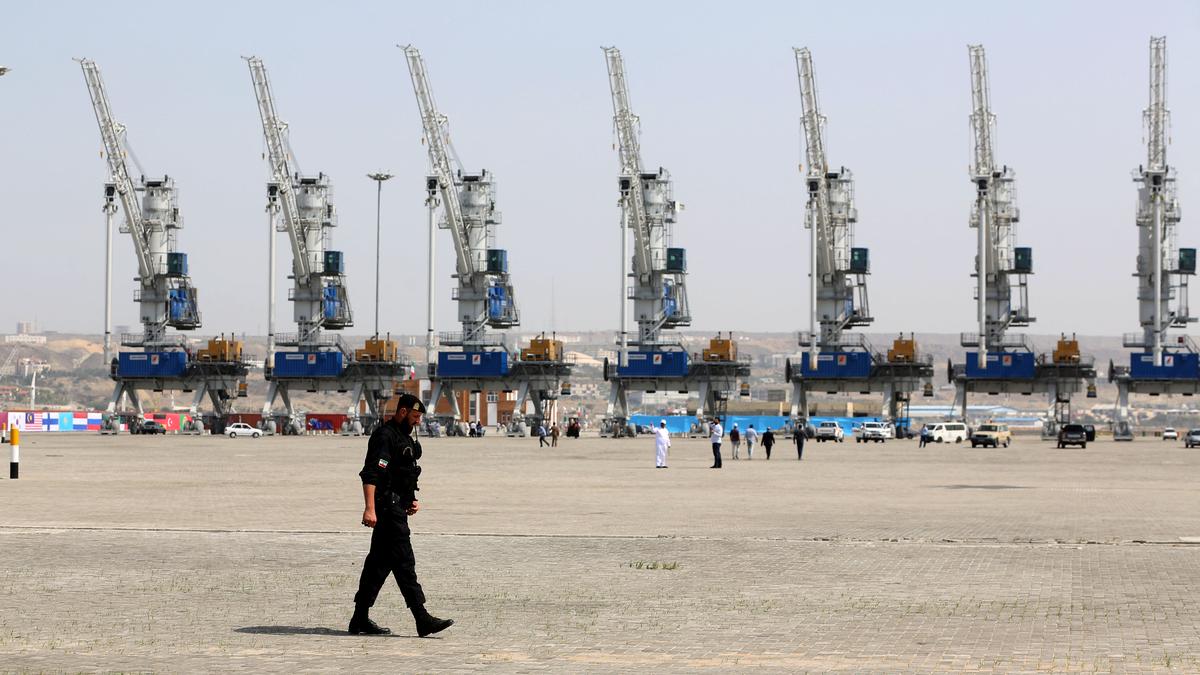
Now, the clock has run out. MEA spokesperson Randhir Jaiswal confirmed on Monday that the issue is "under discussion." That's diplomatic speak for "we’re trying to find a loophole that doesn't get our companies blacklisted." The stakes are high because India has already sunk $120 million into the Shahid Beheshti Terminal.
A Tactical Retreat or a Smart Workaround
India isn't just sitting and waiting for a miracle. Since November 2025, the government has been quietly pulling its people out of Chabahar. They’ve also prepaid their investment commitments. Why? Because they're considering a "tactical work-around."
The plan under discussion involves India Ports Global Ltd (IPGL) transferring its stake to a local Iranian company. It's basically a temporary hand-off. India wouldn't "own" the operation on paper, shielding it from U.S. Treasury penalties, but it would keep a foot in the door. Former Ambassador Gaddam Dharmendra calls this safeguarding interests in a "chaotic" decision-making environment. It's not an exit; it's a shell game to keep the project alive.
Why India Can't Just Quit
You might ask why India doesn't just cut its losses. There are three big reasons:
- The Pakistan Factor: Without Chabahar, India is completely blocked from land access to Central Asia by Pakistan.
- The China Factor: China’s Gwadar port is just 170 kilometers away. If India leaves, you can bet Beijing will be ready to step in.
- The INSTC: Chabahar is a core part of the International North-South Transport Corridor, a 7,200-km network linking India to Russia.
The Trump Factor and Operation Economic Fury
The current U.S. administration isn't playing ball. Treasury Secretary Scott Bessent recently made it clear that waivers for Iranian oil are dead. The U.S. is trying to squeeze Iran’s economy until it pop, and they don't seem concerned if India’s investments are collateral damage.
In February 2026, the Indian government didn't even allocate fresh funds for Chabahar in the Union Budget. That was a loud signal. It showed that New Delhi knew the U.S. pressure was becoming untenable. The current "discussions" aren't just about trade; they're about whether India can maintain a friendship with Washington while keeping its strategic assets in Iran.
What Happens Next
If the stake transfer to an Iranian entity goes through, it buys time. It allows the port to keep breathing without triggering immediate sanctions on Indian banks or shipping firms. But it’s a fragile fix.
The regional conflict in West Asia makes everything move slower. Jaiswal admitted the war is a "complicating factor." Shipping routes are messy, insurance costs are soaring, and the political will in Washington to give India a "pass" is at an all-time low.
If you're tracking this, watch the next 48 hours. India needs to finalize this "temporary divestment" before the U.S. Treasury starts looking for targets. For now, the "Golden Gateway" is looking more like a diplomatic maze.
Move your focus to the legal structure of these "local transfers." If the MEA can't guarantee a "right to return" in their contract with the Iranian partner, India might be handing over 23 years of work for nothing. Check the official MEA updates by the end of the week for the final word on the operational status of the Shahid Beheshti Terminal.