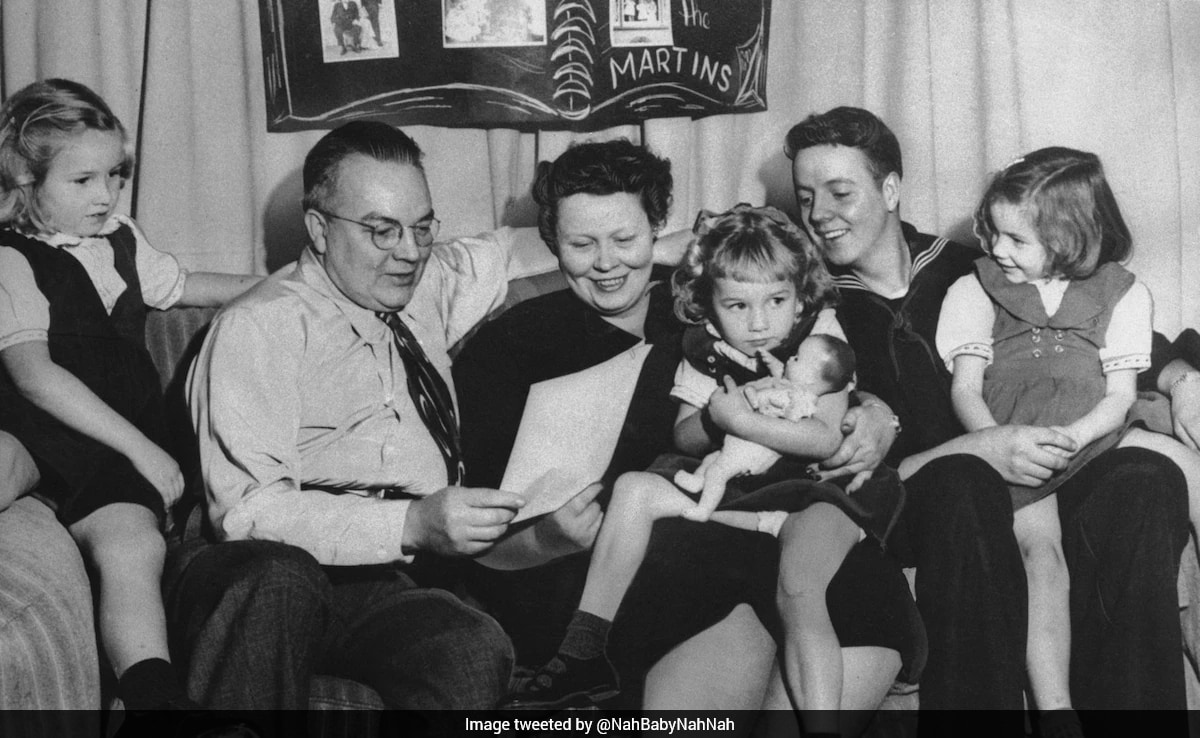
Kenneth Martin didn't know he was driving his family into a 60-year mystery when he loaded their 1954 Ford station wagon on December 7, 1958. Most people assume that when a family of five vanishes into thin air, there’s some grand conspiracy or a nefarious villain lurking in the shadows. For decades, the Pacific Northwest obsessed over theories of abduction or foul play regarding the Martin family. The reality was much simpler, colder, and sat at the bottom of the Columbia River.
The Martin family—Kenneth, his wife Barbara, and their three daughters, Barbie, Virginia, and Susan—left their Portland home to search for Christmas greenery. They were last seen at a restaurant in Hood River. Then, nothing. No tire tracks, no struggle, no witnesses. It stayed that way until a discovery in the Columbia River finally closed a case that had haunted Oregon for generations.
Why the Martin Family Case Stays in the Public Mind
I've looked at hundreds of cold cases, and the Martin disappearance stands out because of the sheer scale of the vacuum they left behind. When a single person goes missing, you look for a reason they’d run. When five people vanish together, you look for a catastrophe.
Investigators at the time were baffled. There weren't any signs of a struggle at the restaurant where they ate their last meal. Witnesses said they looked like any other family on a Sunday drive. The search efforts were massive. Volunteer groups, local police, and even the military combed the rugged terrain between Portland and The Dalles. They found nothing.
The mystery wasn't just about where they went. It was about how a bright red and white station wagon could effectively evaporate. You don't just lose a car in 1958 without leaving a mark. Or so everyone thought.
The Grim Discovery That Changed the Narrative
The first break didn't come from a detective’s notebook. It came from the river itself. In May 1959, a drilling rig operator near The Dalles Dam noticed something floating in the water. It was the bodies of Susan and Virginia Martin.
The discovery was horrifying, but it didn't provide the "why." Medical examiners couldn't pinpoint a definitive cause of death beyond drowning. There were no bullet holes or knife wounds. The river, notorious for its deep silt and treacherous currents, kept the rest of the family and the car for decades.
People love to speculate about "The Lady in the Lake" style hauntings or secret lives, but the physical evidence always pointed toward a tragic driving accident. The Columbia River is a beast. In the late 50s, the roads weren't the paved, guarded highways we have now. One patch of black ice or a momentary distraction was all it took.
Technology Finally Caught Up to the Mystery
For over half a century, the 1954 Ford remained hidden. It wasn't until modern sonar and specialized dive teams started revisiting these cold spots that the truth surfaced. When the car was eventually located in the river, it confirmed what the skeptics had doubted for years. The car hadn't been hidden by a criminal mastermind. It had been swallowed by the environment.
Finding a sunken car in a river as massive as the Columbia is like finding a specific grain of sand in a desert. The current moves silt constantly. Objects get buried under feet of mud within months. The fact that the car was found at all is a testament to the persistence of modern recovery teams who refuse to let these families be forgotten.
The wreckage showed signs of a high-impact entry into the water. It wasn't a slow roll. It was a plunge. This explains why there were no skid marks or debris found on the road at the time. If the car launched over a specific embankment at the right angle, it would have entered the deep water almost instantly, leaving the surface calm and undisturbed within minutes.
Dealing With the Conspiracy Theories
You can't talk about the Martin family without addressing the wild theories that cropped up. Some people swore they saw the family in different states. Others thought Kenneth was running from a debt. There's always a segment of the population that prefers a spicy lie to a mundane tragedy.
Honestly, these theories did more harm than good. They sent police on wild goose chases to other parts of the country while the answer was sitting a few miles from the family’s last known location. It's a classic mistake in cold case investigations—ignoring the most likely geographic radius because it seems "too simple."
The Martin case teaches us that the simplest explanation is usually the right one. A family went for a drive, the weather was poor, and a tragic accident occurred. It's not a movie plot. It’s a real-life heartbreak.
What This Means for Other Missing Persons Cases
The resolution of the Martin family mystery isn't just a win for Oregon history. It's a blueprint for how we should handle current cold cases involving vehicles. If someone goes missing near a body of water, the water needs to be the first place searched with high-end tech, not the last.
We're seeing this trend across the country. Groups like Adventures with Purpose and other sonar-equipped dive teams are finding cars that have been submerged since the 70s and 80s. These aren't just "found objects." They are the keys to bringing closure to families who have spent decades wondering if their loved ones just walked away.
The Martin girls, Susan and Virginia, were buried years ago. The discovery of the car and the rest of the remains allows a family tree that was snapped in half to finally have its ending recorded. It's grim, but it's necessary.
The Lessons for Modern Travelers
We take our safety for granted. We have GPS, cell service, and guardrails that can stop a semi-truck. In 1958, you had a paper map and your own reflexes. The Martin family didn't have a backup plan because, in their mind, they were just going for a Sunday afternoon outing.
If you're driving through the Columbia River Gorge or any rugged terrain, remember that nature doesn't care about your plans. The river is still as dangerous today as it was in 1958. Currents can trap a vehicle and bury it before a search party even assembles.
Pay attention to road conditions. Don't trust that a road is safe just because it's on the map. The Martins were local. They knew the area. If it could happen to them, it can happen to anyone. The best way to honor the memory of the Martin family is to respect the environment that claimed them. Stay off the roads during heavy icing, keep an emergency kit in your car, and always let someone know your exact route.
The mystery of the vanished Martin family is over. The silence of the river was eventually broken by the beep of a sonar screen, proving that while secrets can be buried, they rarely stay that way forever. If you have a family member who went missing decades ago, don't stop looking at the water. It’s often the only witness that doesn't lie.