The air inside the Kremlin doesn’t just feel conditioned; it feels curated. It is a thin, dry atmosphere that tastes of old paper and polished wood. When Masoud Pezeshkian walked through those heavy doors to meet Vladimir Putin, he wasn't just bringing the weight of the Iranian presidency with him. He was carrying the silence of Islamabad.
Only days ago, the world held its collective breath as diplomats gathered in Pakistan. The goal was simple, yet gargantuan: find a way for the United States and Iran to speak a language other than threats. But the rooms remained quiet. The pens stayed capped. When the Islamabad peace talks collapsed, the fracture wasn't just a diplomatic failure. It was an invitation for a different kind of architecture to take shape in the East.
The Weight of an Empty Chair
Imagine a shopkeeper in Mashhad. Let’s call him Reza. For Reza, the failure of a summit in Islamabad isn't a headline; it’s the price of the saffron he can’t export and the cost of the medicine he can’t buy for his daughter. To him, the "regional stability" discussed in high-ceilinged rooms is the difference between a future and a slow, grinding decline.
When Pezeshkian sat across from Putin, Reza’s ghost was in the room. Every leader plays a game of chess, but the pieces are made of flesh and blood. The failure of the U.S.-Iran track meant that Tehran could no longer afford to hedge its bets. The "Look to the East" policy ceased to be a strategic choice and became a survival instinct.
The two men didn't just discuss borders. They discussed the gravity of isolation.
The Architecture of Necessity
Russia and Iran are often painted as natural allies, but that is a convenient fiction. Historically, they are rivals, two empires that have spent centuries bumping into one another’s spheres of influence. What binds them now isn't a shared dream, but a shared exclusion.
They are the outcasts at the global dinner table, and they are building their own table in the kitchen.
The collapse of the Islamabad talks acted as a catalyst. When the West walked away, or perhaps when the bridge proved too rickety to cross, Pezeshkian had to find a different anchor. Putin, grappling with his own set of global pressures, was more than happy to provide it. This isn't a marriage of love. It’s a marriage of logistics.
They spoke of "regional stability," a phrase that sounds comforting until you realize it is code for a Middle East and a Central Asia where the West has no vote. They are drafting a map where the lines are drawn in rubles and rials.
The Invisible Stakes of the Caspian
To understand why this meeting matters, you have to look at the water. The Caspian Sea isn't just a geographical feature; it is a closed loop. For Putin, Iran is the gateway to the "North-South Transport Corridor," a way to move goods from the heart of Russia down to the warm waters of the Indian Ocean without ever touching a European port.
For Pezeshkian, Russia is the shield. It is the veto at the UN Security Council. It is the supplier of hardware that keeps a regional balance of power from tipping into total chaos.
But there is a human cost to this alignment. When a nation pivots so sharply toward a single partner, it loses the friction that keeps it honest. The collapse of the Islamabad talks removed the last bit of leverage Iran had to play the sides against each other. Now, the room is smaller. The options are fewer.
The Ghost of Islamabad
We should be honest about why those talks failed. It wasn't just a lack of will. It was a lack of trust so profound that even the air in Islamabad felt heavy with it. The Americans couldn't guarantee that a deal would outlast an election cycle. The Iranians couldn't guarantee that their internal hardliners wouldn't sabotage the ink before it dried.
Failure has a scent. It smells like missed opportunities and the inevitable hardening of hearts.
In the wake of that failure, the Moscow meeting felt less like a summit and more like a closing of ranks. Pezeshkian is a man who was elected on a promise of pragmatism, a doctor who knows that you cannot heal a patient by ignoring the wound. Yet, he finds himself forced to use a very specific kind of medicine.
Beyond the Handshake
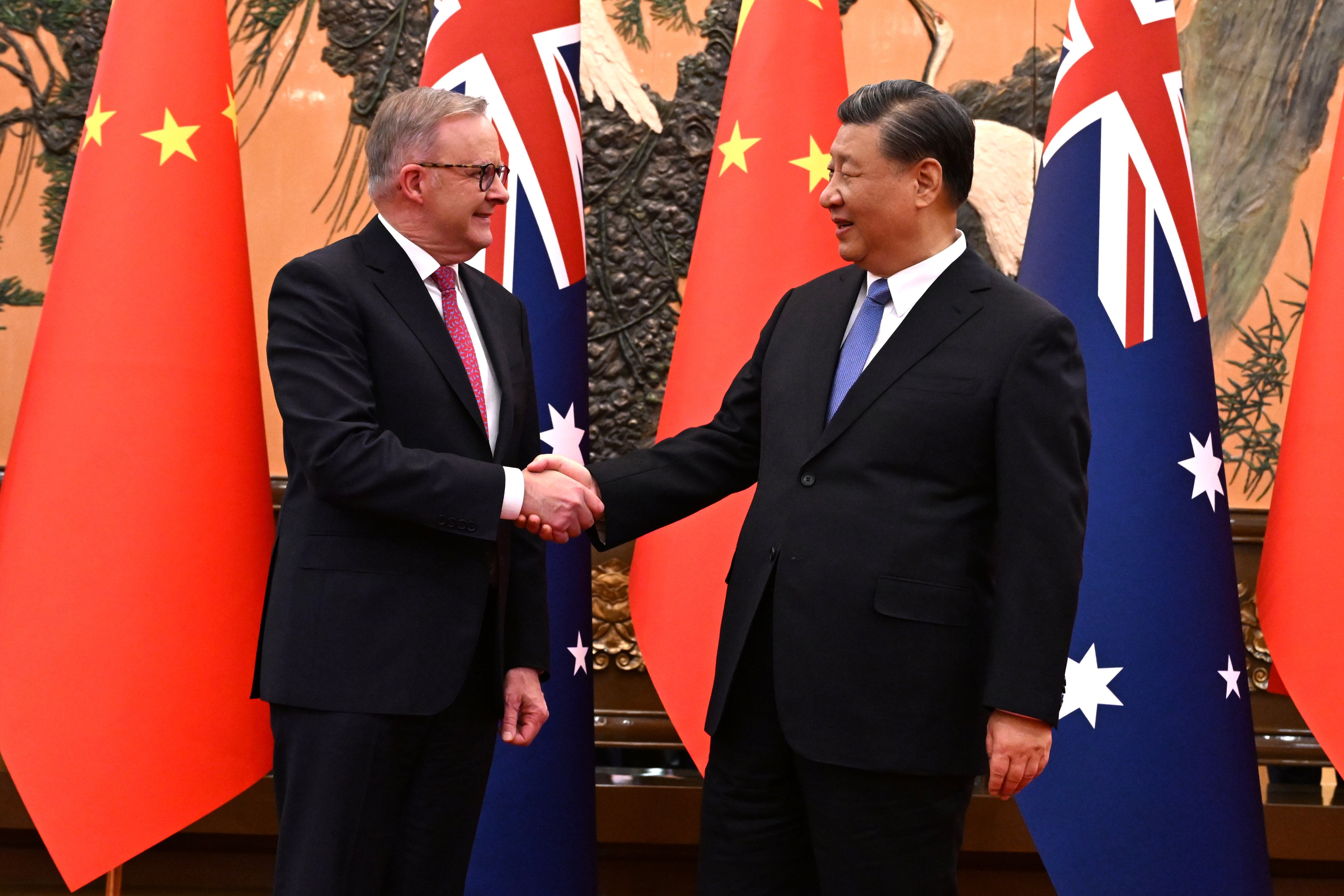
The photos showed two men smiling, but the eyes tell a different story. Putin’s gaze is always that of a man calculating the next three moves, looking for the weakness in the floorboards. Pezeshkian’s expression carried the exhaustion of a nation that has been under pressure for four decades.
They talked about the "Zangezur corridor," a strip of land that sounds like a dry footnote in a geography textbook but represents the potential for the next great war in the Caucasus. They talked about drones and satellites. They talked about a world where the dollar is a memory.
This is the hidden cost of failed diplomacy. When the "good" options are taken off the table, the "necessary" options become the only ones left.
Reza, the shopkeeper in Mashhad, doesn't care about the Zangezur corridor. He cares about whether the lights stay on. He cares about whether his son will be called to serve in a conflict fueled by the very stability these men claim to be building. The tragedy of high-level geopolitics is that the people who pay for the decisions are rarely the ones invited to the meetings.
The Islamabad failure wasn't just a missed meeting. It was a fork in the road. By choosing the path to Moscow, Pezeshkian isn't just seeking a partner; he is seeking a fortress.
The world looks at these two men and sees a threat. But if you look closer, you see something much more human and much more dangerous: desperation disguised as strength.
As the sun set over the red walls of the Kremlin, the shadows grew long and sharp. The deal was struck. The regional stability they spoke of is a fragile thing, a glass sculpture held together by the mutual need of two men who have nowhere else to turn.
Outside, the Moscow wind began to howl, biting and indifferent. It is a cold world for those who walk alone, and for now, Pezeshkian and Putin have decided they would rather walk together in the dark.
The ink is dry now. The maps are being redrawn. And somewhere in the distance, the door to the room in Islamabad remains wide open, swinging in the wind, perfectly, hauntingly empty.