The global maritime industry is running on a knife-edge. Look at any major vessel afloat today, from massive container ships to luxury polar expedition liners like the MV Hondius, and you will find one constant. Filipino seafarers form the literal backbone of the global fleet. They man the engines, steer the ships, and keep the supply chains moving. But a series of health scares, shifting immigration policies, and brutal contract realities are exposing how fragile this entire system is.
When news broke about suspected Hantavirus cases or severe respiratory outbreaks on vessels operating in remote regions, the immediate reaction was panic. Quarantine flags went up. Port authorities locked down access. Yet, beneath the sensationalized health headlines lies a much deeper, structural vulnerability in international shipping.
We rely entirely on a single nation to provide nearly a third of the world's merchant marine crews. If that supply line snaps, global trade stops. It is that simple.
How the MV Hondius Exposed the Invisible Fleet
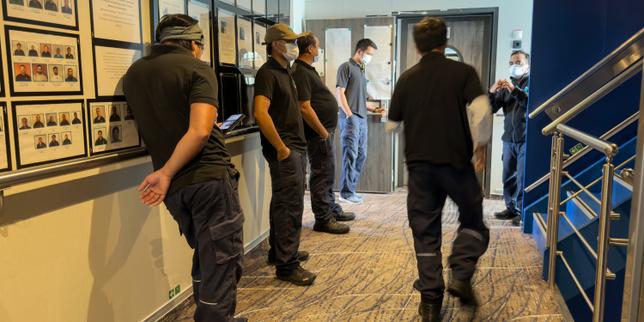
The MV Hondius is a state-of-the-art polar expedition ship, built to navigate the harshest environments on Earth. Passengers pay tens of thousands of dollars to glimpse icebergs and penguins in absolute comfort. But the ship does not run on automation. It runs on the sweat of its crew, the vast majority of whom are recruited from the Philippines.
When medical emergencies hit isolated vessels like the Hondius in remote waters, the romantic illusion of travel evaporates. Maritime health crises force us to look at the people below deck. Filipino mariners are not just numbers on a crew list. They are highly trained professionals working under intense pressure, often thousands of miles away from adequate medical facilities.
The reliance on Filipino seafarers is a deliberate business strategy used by global shipping companies for decades. The Philippines set up a massive infrastructure of maritime academies, government oversight bodies, and recruitment agencies specifically designed to export labor. It works brilliantly for shipowners. They get English-speaking, highly competent mariners who accept wages that Western sailors would laugh at.
But this hyper-concentration creates a massive single point of failure. When an outbreak occurs, or when international regulations tighten, the entire global supply chain feels the squeeze immediately.
The Real Health Risks at Sea Are Not What You Think
Public health officials freak out over exotic diseases like Hantavirus, which is typically spread by rodents. While a virus like that can paralyze a ship in days, it is a symptom of a broader problem. The real danger to crews is the grueling combination of physical exhaustion, rapid port turnarounds, and delayed medical care.
Life on a modern vessel is a relentless grind. Contracts routinely last nine to ten months. Shifts run long. Sleep is a luxury. When a crew member gets sick, they cannot just walk into an urgent care clinic. They rely on the ship's medical locker and whatever telemedicine advice the officers can scramble to get.
The International Maritime Health Association has repeatedly pointed out that basic seafaring conditions actively degrade human immunity. You are living in a confined steel box with people from all over the world. Air is recirculated. If a virus gets on board, it spreads like wildfire.
Combine that environment with the fact that many mariners hesitate to report symptoms early. Why? Because they fear being medically repatriated. In the seafaring world, going home sick means your contract gets cut short, your family loses income, and you might face a black mark from your manning agency. So, people hide their illnesses until they are too sick to stand.
Why the Philippines Owns the Blue Economy
You cannot understand modern shipping without understanding the business of remittance. The Philippine economy leans heavily on the money sent home by overseas workers, and mariners are the elite tier of these earners. According to data from the Bangko Sentral ng Pilipinas, sea-based remittances consistently pump billions of dollars into the domestic economy every year.
This financial reality drives a relentless supply of labor. Walk through the Ermita district of Manila, and you will see dozens of manning agencies, maritime medical clinics, and training centers. It is an industrial complex designed to process human beings for deep-sea work.
The International Chamber of Shipping notes that the world merchant fleet requires over 1.8 million seafarers to operate. The Philippines provides a massive chunk of that total, particularly in crucial ratings and junior officer positions.
But this dominance is under threat from multiple angles.
- Emerging labor markets in Eastern Europe, Vietnam, and India are undercutting Filipino wages.
- Compliance issues with international training standards have repeatedly put the country at risk of losing its certification with bodies like the European Maritime Safety Agency.
- The psychological toll of the job is making seafaring less attractive to the younger generation of Filipinos.
If the Philippines loses its grip on this market, or if a geopolitical crisis disrupts the flow of crew changes, the maritime sector has no backup plan. There is no hidden army of sailors waiting to replace them.
The Mirage of Automated Shipping and Clean Crewing
Tech evangelists love talking about autonomous ships. They show off sleek concepts of crewless cargo vessels controlled by shore-based operators using joysticks. It makes for great PowerPoint presentations at maritime conferences.
In reality, it is complete nonsense for the foreseeable future.
A ship is a living, rusting machine that constantly breaks down. Saltwater destroys electronics. Engines leak oil. Pumps clog. You need humans on board to perform continuous maintenance, clear blockages, and handle emergencies that no algorithm can predict. The idea that we can eliminate the human element soon is a dangerous myth that distracts from the immediate need to improve crewing conditions.
Furthermore, the industry's push toward green fuels like ammonia or hydrogen introduces new hazards for the crew. These substances are highly toxic or highly volatile compared to traditional heavy fuel oil. The burden of managing these dangerous new technologies falls squarely on the shoulders of the very seafarers who are already overworked and under-supported.
Fixing the Deep Vulnerabilities in Maritime Labor
If we want to secure global trade and ensure ships like the MV Hondius can operate safely, the maritime industry needs to shift its focus from corporate compliance to genuine human welfare.
First, the process for medical disembarkation must be overhauled. Port states need to stop treating sick ships like leper colonies. When a crew member shows signs of a severe infectious disease or chronic illness, they must be allowed to land and receive immediate top-tier medical care without bureaucratic delays or threats of fines for the vessel.
Second, shipping companies must reduce contract lengths. Expecting a human being to remain alert, healthy, and motivated during a ten-month stint in a high-stress environment is unrealistic. Shorter rotations lead to better health outcomes and fewer critical errors at sea.
Finally, international maritime bodies need to enforce stricter regulations on manning agencies. The hidden fees, predatory contracts, and blacklisting practices that keep seafarers compliant but terrified must be stamped out.
To make a real impact right now, ship owners and charterers must verify that their crewing agencies adhere strictly to the Maritime Labour Convention standards. Check the medical insurance policies provided to your crews. Ensure they have access to free, unmonitored mental health support and reliable internet access to communicate with their families. The health of our global economy depends entirely on the health of the people moving it. When we ignore the crew, we jeopardize the entire voyage.