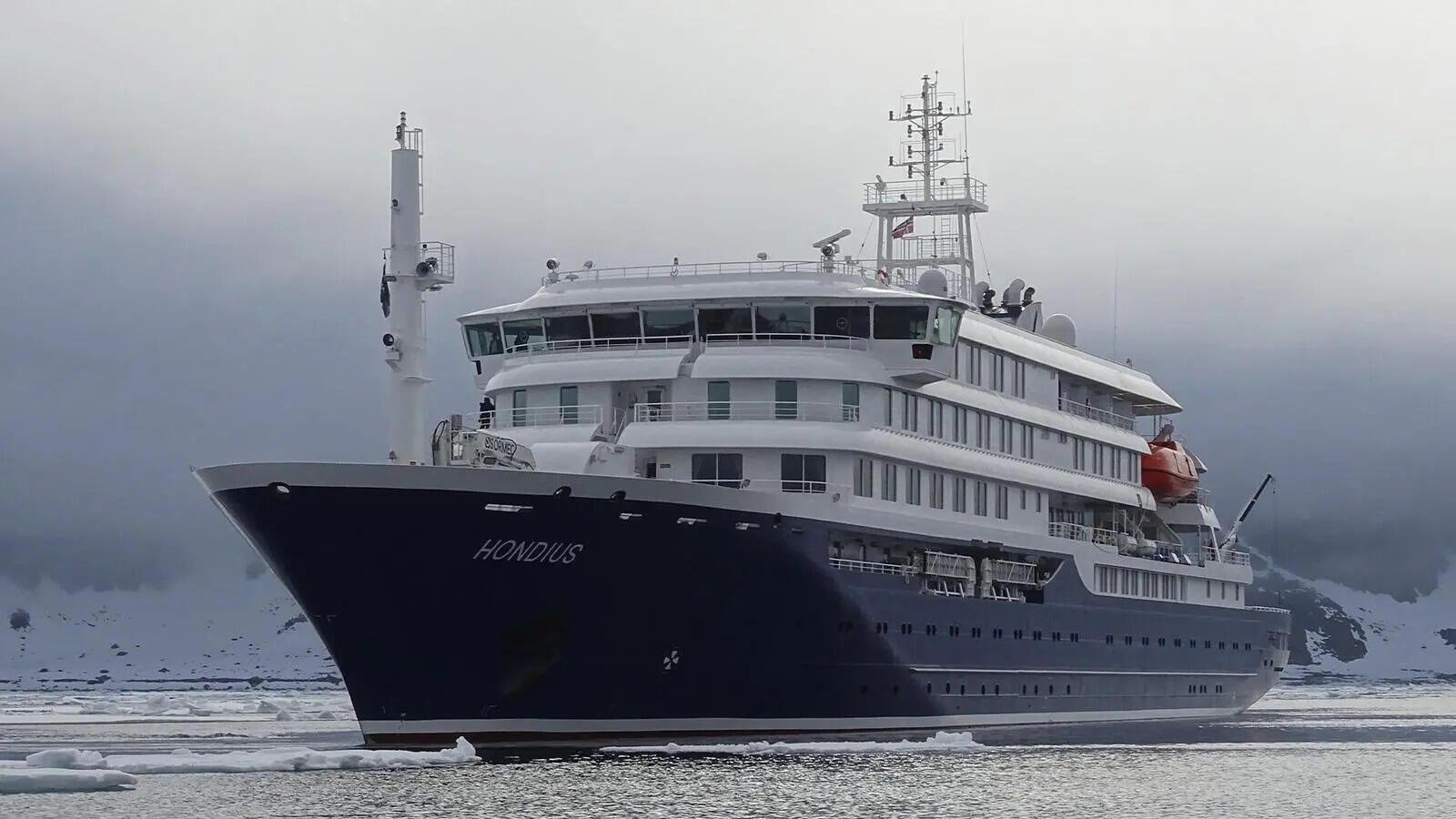
The headlines are screaming about a "Deadly Hantavirus Scare" on an Atlantic cruise ship. They want you to picture a floating plague ship, a viral wildfire tearing through the buffet lines, and a British passenger clinging to life while the crew scrambles. It’s a perfect script for a disaster movie. It’s also biologically impossible.
If you are losing sleep over catching Hantavirus at the captain’s table, you don’t understand how viruses work. Worse, the media outlets feeding you this fear don't care that they’re peddling fiction. They’re selling clicks; I’m selling reality.
The Rodent in the Room
Hantaviruses are not the flu. They are not COVID-19. They do not enjoy the luxury of human-to-human transmission—with one hyper-specific exception in South America (Andes virus) that has never been documented on a vessel in the middle of the Atlantic.
To catch Hantavirus, you generally need to inhale aerosolized droppings, urine, or saliva from very specific species of infected rodents. We are talking about deer mice, cotton rats, and rice rats. These aren't the high-seas stowaways found in the bilge of a modern luxury liner. Modern cruise ships are steel fortresses of sanitation, not 18th-century grain frigates.
The "scare" relies on you believing that a family of infected deer mice somehow booked a suite, set up a nesting ground in the ventilation duct of a multi-billion dollar vessel, and managed to aerosolize their waste with enough efficiency to kill three people.
It didn't happen.
Death by Correlation
When three people die on a cruise ship, the knee-jerk reaction is to find a singular, terrifying boogeyman. Hantavirus is a sexy villain. It’s rare, it’s exotic, and it has a high mortality rate.
But look at the demographics. Cruise ships are essentially floating retirement communities. On any given crossing, you have thousands of individuals with pre-existing cardiovascular issues, suppressed immune systems, and a penchant for over-exertion in high-humidity environments.
If three people die on a ship, the odds of it being a rare zoonotic respiratory virus are astronomical compared to the reality:
- Foodborne pathogens (Norovirus is the king here, but it doesn't move units like "Deadly Hantavirus").
- Legionnaires' disease (A much more logical culprit for shipboard respiratory failure).
- Simple, tragic coincidence.
By labeling this a Hantavirus outbreak without confirmed molecular sequencing from the CDC or equivalent bodies, the press is performing medical malpractice in the court of public opinion. I’ve seen this before—reporters see a "flu-like illness" and a "rapid decline" and jump to the most clickable conclusion. It’s lazy. It’s dangerous.
The Math of a Non-Outbreak
Let’s look at the biology. The incubation period for Hantavirus Pulmonary Syndrome (HPS) is typically one to eight weeks. If passengers are dropping dead or hitting "critical condition" a few days into a transatlantic crossing, they didn't catch it on the ship.
They brought it with them.
If a British passenger is in critical condition, they likely inhaled the virus while cleaning out a dusty garden shed in the UK or a cabin in the woods weeks before boarding. To blame the ship is to ignore the basic linear progression of viral incubation.
$$Incubation \neq Exposure$$
The "consensus" wants you to think the ship is the source. The math says the ship is the waiting room.
Why the Authorities Stay Quiet
You’ll notice the cruise lines aren't confirming Hantavirus. You’ll notice the health departments are being "cautious." This isn't a cover-up. It’s because they know how hard it is to actually verify HPS. It requires specific serological testing or PCR evidence of the viral RNA.
In the meantime, the "British passenger critical" narrative keeps the engine running. It’s a classic appeal to emotion. We focus on the one person fighting for their life because the statistics of the other 3,000 passengers being perfectly fine are boring.
The Real Danger of Hyperbolic Health Reporting
Every time we cry wolf about an impossible outbreak, we erode the public’s ability to respond to actual threats. When a real, transmissible pathogen hits a vessel, people will shrug it off because they remember the "Hantavirus Scare" that turned out to be a bad batch of shellfish or a localized Legionella leak.
The cruise industry is an easy target. It’s big, it’s corporate, and it’s perceived as a Petri dish. But attacking it with the wrong science helps no one. If you want to be safe on a cruise, stop worrying about rare rodent viruses and start washing your hands after you touch the tongs at the salad bar.
The Anatomy of the Misconception
People ask: "Can Hantavirus spread through the air conditioning?"
Answer: In theory, if you put a shredded, infected mouse nest into the intake. In reality? No. The HEPA filters and UV-C sterilization systems in modern maritime HVAC units are designed to scrub particles far smaller than a clump of dried rodent urine.
People ask: "Should I cancel my cruise?"
Answer: Only if you’re afraid of reality. You are more likely to be struck by lightning while winning the lottery than you are to contract Hantavirus on an Atlantic crossing.
Stop Swallowing the Bait
The "Deadly Hantavirus" story is a case study in how a lack of specialized knowledge leads to mass hysteria. It’s an insult to the intelligence of the traveling public. We are being told to fear the shadows while the actual risks—poorly maintained medical facilities on ships and the sheer logistical nightmare of mid-ocean emergencies—go ignored.
I’ve spent years analyzing travel risk. The biggest threat to your health on a ship isn't a mouse. It's the person standing next to you who didn't wash their hands after using the restroom. But "Hand-washing Scare" doesn't sell papers.
The next time you see a headline claiming a rare, non-transmissible virus is "sweeping" through a population that has zero contact with the host animal, do yourself a favor:
Close the tab.
The media isn't tracking an outbreak; they're manifesting one. The only thing spreading on that ship is bad journalism.