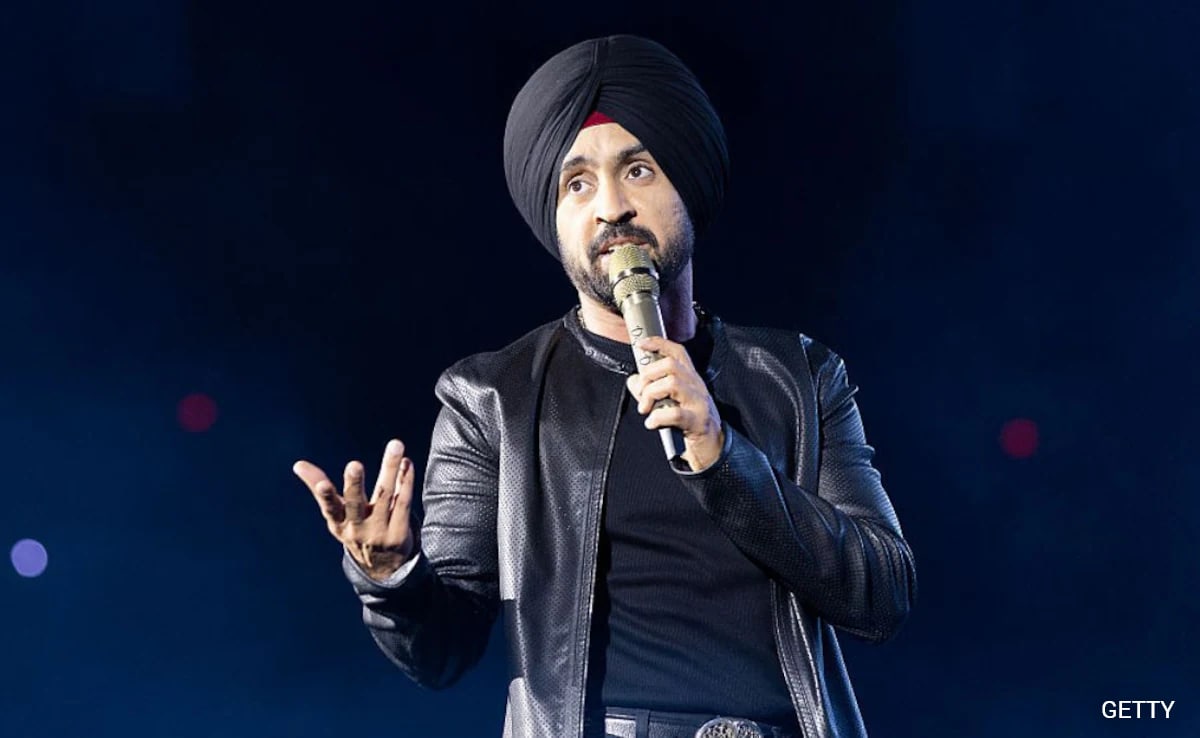
Diljit Dosanjh doesn't usually lose his cool. He’s the guy who cracks jokes with fans, shares his breakfast on Instagram, and keeps things light even when he’s performing for 50,000 people. But during his recent stop in Canada for the Aura World Tour 2026, things got heavy. When a small group of protesters started waving pro-Khalistan flags in the middle of his set, Diljit didn't just ignore it and keep singing. He stopped the music.
If you’ve been following the Punjabi music scene, you know this has been a long time coming. For years, Diljit has been caught in a tug-of-war. On one side, he’s the global face of Punjab who performed at Coachella and sat on the couch with Jimmy Fallon. On the other, he’s constantly targeted by political groups who want him to be a spokesperson for their specific agendas.
The Vancouver And Calgary Stand-Off
The tension peaked during shows in Vancouver and Calgary. As videos floating around social media show, the vibe shifted when flags were raised and slogans started flying. In Vancouver, security had to physically remove three men. By the time Diljit hit the stage in Calgary, he was ready to address the elephant in the room.
He didn’t mince words. He told the crowd that a concert is a place for music and "togetherness," not a political rally. He basically told the protesters that if they wanted to wave flags, they should do it somewhere else. "Use these actions in appropriate places," he said in Punjabi. It was a firm line in the sand. He’s spent his career building a bridge between the East and the West, and he’s clearly tired of people trying to burn it down while he’s standing on it.
Defending The Jimmy Fallon Moment
A lot of the anger from these groups stems from Diljit’s appearance on The Tonight Show Starring Jimmy Fallon. While most fans saw it as a massive win for Indian and Punjabi representation, some critics were furious. They claimed he should’ve stayed in Punjab to deal with flood relief instead of "partying" in New York.
Diljit addressed this head-on during the show. He pointed out that representing Punjab on a global stage is a form of service. He’s talked about the Farmer Protests. He’s talked about the Komagata Maru incident. He’s donated to flood relief. But he’s also an artist. Expecting him to stop his entire global career every time there’s a crisis back home is a standard no other artist is held to. Honestly, it’s a bit of a double standard that’s clearly wearing him down.
The Struggle Of The Global Punjabi Artist
It’s not easy being Diljit Dosanjh right now. He’s dealing with a strange mix of massive global success and intense local scrutiny. At his Calgary show, he made some pretty startling comments about his mental state, saying he’s "already left this world" and has "no fear of death."
That’s a heavy thing to hear from a guy who’s usually the life of the party. It shows the toll this constant pressure takes. When you’re an artist at his level, everyone wants a piece of you. They want you to endorse their movement, sign their petition, or speak their slogans. When you choose to just be a musician, they call you a traitor. It’s a exhausting cycle that’s becoming a regular feature of South Asian live events in Canada and the UK.
- Security Risks: These disruptions aren't just annoying; they're dangerous. Security at BC Place and Scotiabank Saddledome had to be on high alert because these small protests can quickly turn into scuffles.
- Fan Experience: People pay hundreds of dollars to see a show. They aren't there for a political debate. They’re there to hear "Lover" and "Lemonade."
- Brand Damage: For Diljit, these headlines often overshadow the actual music. Instead of talking about his record-breaking ticket sales, the news is all about the flags.
Why This Matters For Future Tours
Diljit’s reaction marks a shift in how Indian artists handle international controversy. Usually, they stay silent. They finish the set, get on the private jet, and let their PR team handle the fallout. By addressing it from the stage, Diljit is trying to reclaim his space. He’s saying that he won't be bullied into being something he’s not.
If you’re planning on hitting a show during the rest of the Aura Tour, expect tighter security and a zero-tolerance policy for disruptions. The venues are already being warned that certain groups, like Sikhs for Justice, might try to repeat these stunts.
Next time you see a clip of a protest at a concert, remember that there’s a human being on that stage. Diljit has made it clear: he’s there to sing, he’s there for Punjab, but he’s not there to be a political pawn. If you want to support the music, show up. If you want to protest, find a park. The stage is officially closed to politics.
If you're going to a live show soon, check the venue's updated prohibited items list. Most arenas are now banning large flags and poles to prevent exactly what happened in Vancouver. Stick to the music and let the man do his job.