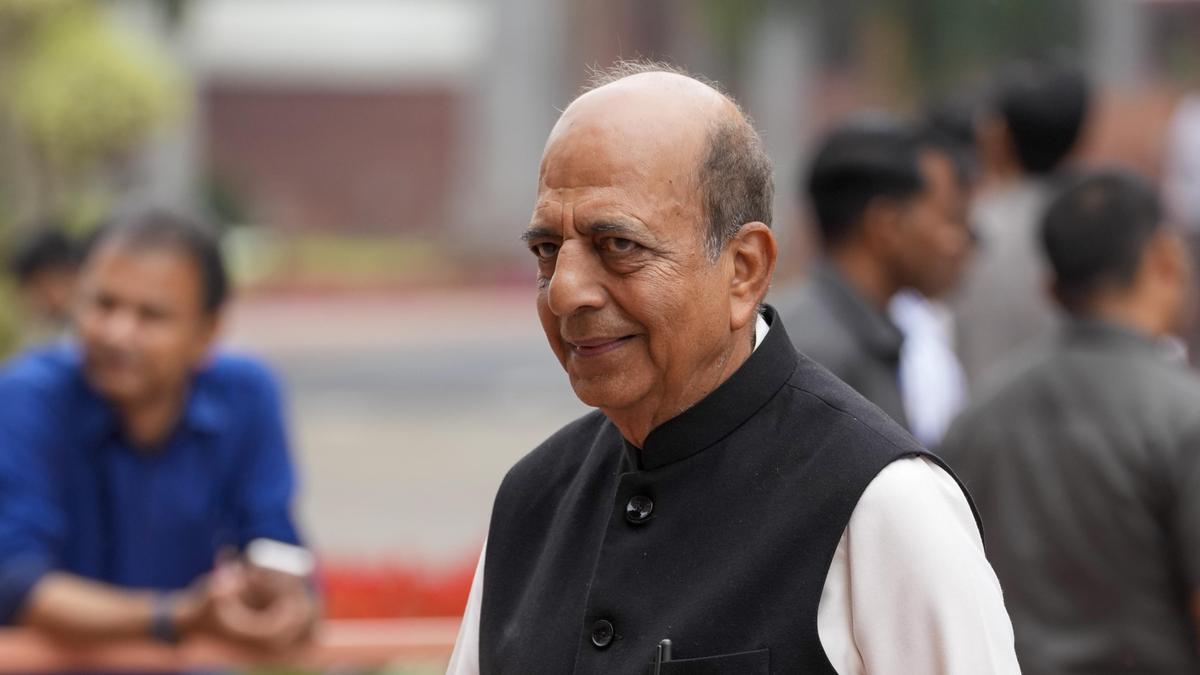
India just made a massive play in the neighborhood. Dinesh Trivedi is heading to Dhaka as the new High Commissioner. It isn't just another routine diplomatic shuffle. This move signals a hard shift in how New Delhi wants to handle its most sensitive border relationship. If you've been watching the growing friction in South Asian politics, you know the stakes couldn't be higher.
Trivedi isn't a career diplomat who spent decades climbing the ranks of the Indian Foreign Service. He's a veteran politician, a former Union Minister, and someone who understands the raw mechanics of power. Sending a political heavyweight instead of a career bureaucrat tells us one thing. The Indian government wants someone who can talk directly to the top leadership in Bangladesh without getting lost in the weeds of protocol.
Why a politician is the right choice for Dhaka right now
Diplomacy usually moves at a glacial pace. Papers get shuffled. Folders get filed. But the situation in Bangladesh has been moving fast. Between shifting internal demographics and the constant shadow of regional influencers, the relationship needs a fixers touch. Trivedi brings a specific kind of political "street smarts" that you don't always find in a standard embassy briefing.
He has navigated the complex halls of the Parliament of India. He knows how to cut deals. More importantly, he understands that the India-Bangladesh relationship isn't just about trade or water sharing. It's about optics and shared history. By appointing someone with his stature, New Delhi is essentially saying that Dhaka is a top-tier priority.
Security and the border are the real tests
Let's be honest about the elephant in the room. The border is a mess. Whether it's cattle smuggling or illegal migration, the tensions at the fence affect domestic politics in at least four Indian states. West Bengal, Assam, Meghalaya, and Tripura are all directly impacted by what happens across that line.
Trivedi comes from West Bengal. He speaks the language. He understands the cultural nuances that a diplomat from Delhi might miss. He knows that a policy decision made in a South Block office can trigger a protest in a border village within hours.
The security cooperation between the two nations has been a bright spot lately. Bangladesh has been helpful in cracking down on insurgent groups that used to hide in its jungles. But that cooperation is fragile. It requires constant maintenance. Trivedi’s job will be to make sure the intelligence sharing doesn't dry up even when political winds shift.
Breaking the stagnation in trade and connectivity
If you look at the map, Bangladesh is the gateway to India's Northeast. Without transit rights through Bangladesh, getting goods to Agartala or Guwahati is a logistical nightmare. We've seen progress with the Chittagong and Mongla ports, but there’s still too much red tape.
Trade should be the easiest part of this relationship. It isn't. Indian exporters constantly complain about non-tariff barriers. Bangladeshi businesses want more access to the Indian market. It’s a classic stalemate.
Trivedi needs to use his background to push for the Comprehensive Economic Partnership Agreement (CEPA). This isn't just a boring treaty. It’s the engine that could turn the entire region into a manufacturing hub. If he can simplify the customs process and get more trains running across the border, he’ll have done more for bilateral ties than ten years of summits.
Dealing with the water crisis and Teesta
We can't talk about Dhaka without talking about water. The Teesta river dispute is the thorn that won't come out. It’s been stuck for over a decade because of internal Indian politics and West Bengal’s objections.
This is where Trivedi's political history becomes a double-edged sword. He knows the players in Kolkata intimately. He knows why they’re blocking the deal. But now, he represents the Union. Can he bridge that gap? Bangladeshis see Teesta as a litmus test for India's friendship. If he can even get a temporary seasonal agreement signed, his tenure will be hailed as a historic success.
The China factor in the Bay of Bengal
There’s no point in pretending India is the only player in town. China has been pouring billions into Bangladeshi infrastructure. From bridges to power plants, the Chinese footprint is visible everywhere.
Dhaka has been very smart about balancing the two giants. They take the Chinese money but keep the security ties with India. However, the balance is getting harder to maintain. Trivedi has to offer a better alternative. India can't outspend China, but it can offer something China can't: deep cultural, linguistic, and historical integration.
He has to convince the Bangladeshi elite that India is a reliable long-term partner that won't lead them into a debt trap. It’s a tough sell. He’ll need to be present at every ground-breaking ceremony and every cultural festival to remind people that the two nations are joined at the hip.
Navigating the local political minefield
Bangladesh is heading toward a period of intense internal political debate. The relationship with India often becomes a talking point in their domestic elections. Pro-India vs. anti-India sentiments are used to whip up votes.
Trivedi must be careful. He has to engage with the government of the day while keeping lines open with the opposition. If India is seen as backing only one side, it loses the people. He needs to build a "people-to-people" connection.
This means making the visa process easier for regular students and tourists. It means ensuring that the "Border Haats" (local markets) stay open and thrive. When a regular person in Dhaka can easily visit Kolkata for medical treatment or a holiday, the high-level politics matter a bit less.
Practical steps for the new Envoy
He needs to hit the ground running. First, he should clear the backlog of pending small-scale projects that have been stuck in bureaucratic limbo. These "High Impact Community Development Projects" are what people actually see.
Second, he needs to host a series of dialogues with the youth of Bangladesh. Half the population is under 30. They don't care about the 1971 war as much as their grandparents do. They care about tech jobs, startups, and climate change. Trivedi should focus on making India a partner in their digital future.
The appointment of Dinesh Trivedi is a calculated gamble. It moves away from the safe, predictable path of traditional diplomacy. It’s a bold attempt to bring political weight to a relationship that has been coasting on past glory for too long. If he succeeds, we might finally see a South Asia that is truly integrated. If he fails, the cracks in the neighborhood will only get wider.
Watch the border movements and the trade numbers over the next six months. That’s where you’ll see if this gamble pays off.