The wind in Santa Fe County doesn’t just blow; it scours. It carries a fine, persistent grit that finds its way into the smallest cracks of the adobe houses and the deepest recesses of the mind. Just south of the city, where the desert expands into a vast, silent expanse of scrub and silence, sits a property known as Zorro Ranch. For years, the locals whispered about it. They saw the private planes descend like predatory birds onto the private landing strip. They saw the high walls and the heavy gates. But they didn’t see what was happening inside.
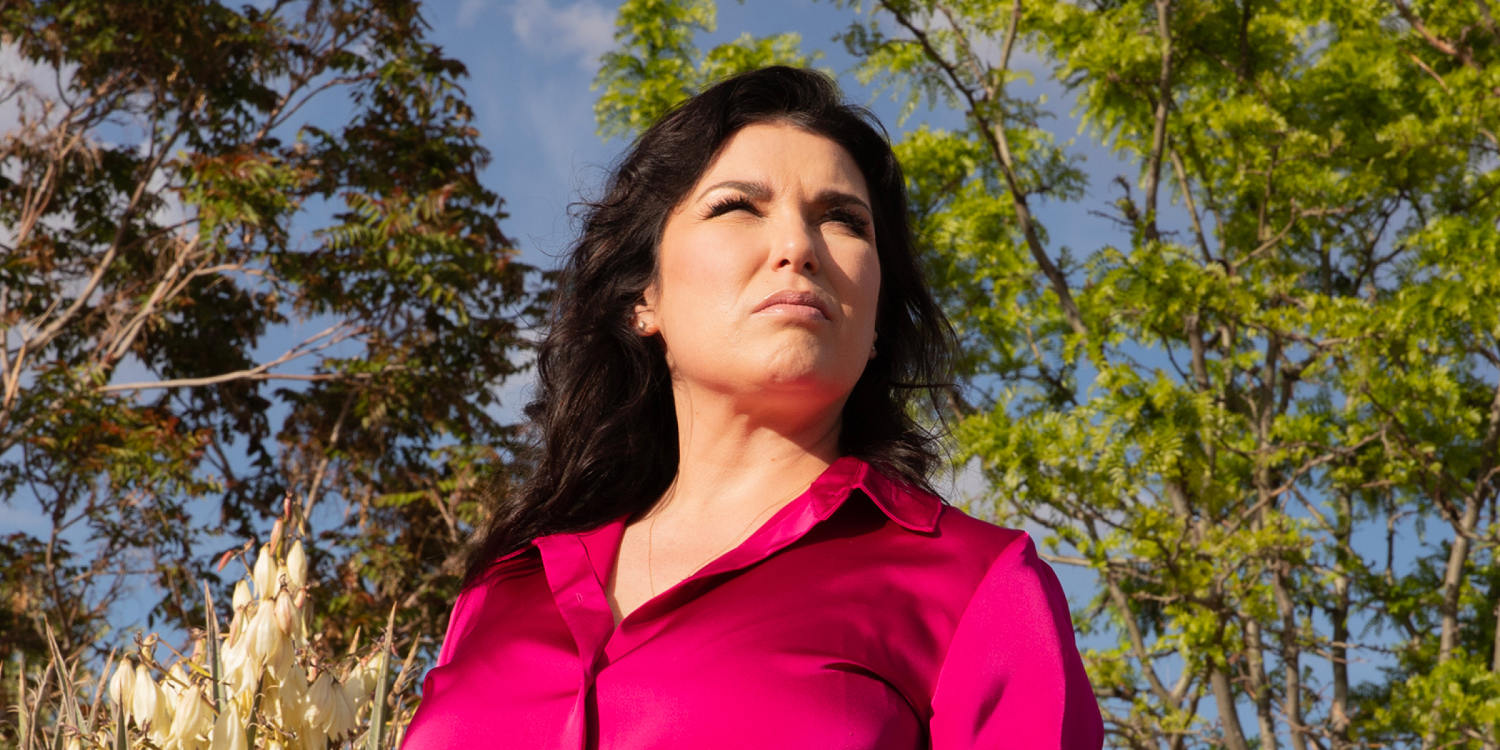
Marijke Vogel remembers the silence most of all. It wasn’t the peaceful quiet of the high desert. It was a heavy, suffocating weight. She is one of the women who survived the orbit of Jeffrey Epstein, and for her, the passage of time hasn’t dulled the sharp edges of what occurred on that sprawling New Mexico estate. The world moved on after Epstein’s death in a Manhattan jail cell, but for the survivors, the story didn't end with a headline. It merely entered a new, quieter phase of haunting.
We often treat justice like a sprint. We want the arrest, the trial, and the sentencing to happen in a neat, televised arc. When the primary architect of a nightmare is gone, the public tends to close the book. We assume the threat has vanished because the monster is off the board. This is a mistake. The architecture of the abuse—the people who built the walls, the people who drove the cars, and the people who looked the other way while a ranch was turned into a high-tech hub for exploitation—remains largely intact.
The Geography of Ghost Towns
Zorro Ranch was more than just a house. It was a three-story, 26,000-square-foot mansion surrounded by a web of guest houses and support buildings. It functioned like a private kingdom. To understand the scale of what Vogel and others are fighting for, you have to look at the logistics. A ranch of that size requires a small army to maintain. It needs pilots, housekeepers, security guards, and local contractors.
Imagine a young woman being flown into a remote desert strip. She is thousands of miles from home, surrounded by miles of nothingness, and every person she encounters is on the payroll of her abuser. That isolation isn't accidental. It's a tool. It breaks the will. Vogel describes the ranch as a place where the power dynamics were so skewed that the very air felt different. You weren't just a guest; you were an asset in a ledger.
The facts of the case are cold and documented. We know about the massage rooms. We know about the "computer room" that reportedly functioned as a nerve center for surveillance. We know about the strange, circular structures and the rumors of a darker purpose for the ranch. But the data points don't capture the visceral reality of standing in a hallway and realizing that no one is coming to save you.
The People Who Kept the Lights On
There is a specific kind of complicity that happens in small towns and remote areas. People need jobs. They want to provide for their families. They tell themselves that whatever is happening behind those gates isn't their business as long as the checks clear. This is the "invisible stake" in the Epstein saga. The system didn't just rely on one man's depravity; it relied on a network of silence that stretched from the high-rises of New York to the dusty roads of New Mexico.
Vogel’s push for further investigation isn't about vengeance. It's about accountability for the machinery. If a corporation spills toxic waste into a river, we don't just fire the CEO; we clean the river and penalize those who helped dump the barrels. Yet, when it comes to human trafficking and systemic abuse, we are strangely comfortable with letting the underlings fade into the background.
Consider the role of the facilitators. Every girl who was brought to that ranch was processed through a system. Someone booked the flight. Someone drove the SUV from the tarmac to the front door. Someone prepared the rooms. These individuals are still out there. They walk the streets of Santa Fe, they shop at the same grocery stores as the survivors, and they carry the secrets of what they saw. Vogel is calling for the sunlight to reach those dark corners, even now, years after the main perpetrator is gone.
The Weight of the Evidence
The legal battle over Zorro Ranch and the events that transpired there has been a slow, grinding process. There were civil suits and settlements, but for Vogel, the ledger isn't balanced. She speaks of the ranch as a site of ongoing trauma, a place that needs to be fully excavated—not just physically, but legally.
The complexity of the New Mexico legal landscape adds another layer of frustration. Laws regarding statutes of limitations and the specific definitions of trafficking can be a thicket of jargon that protects the powerful. Vogel and her legal team are pushing against the idea that "too much time has passed." In the world of trauma, time is a fluid concept. The events of a decade ago can feel like they happened this morning.
Justice isn't a commodity with an expiration date.
The skeptics ask why it matters now. They point to the settlements. They point to Epstein’s death. But they miss the core human element: the need for the truth to be an objective, recorded reality. When a survivor speaks up about Zorro Ranch, they are fighting against the "gaslighting" of an entire system that wants to pretend the ranch was just a quirky billionaire's retreat.
The Architecture of Memory
The ranch itself was sold. The physical structures may change, the furniture might be replaced, and the name on the deed is different, but the memory of the place remains etched into the landscape. To Vogel, the property is a monument to what happens when wealth is allowed to operate outside the boundaries of human decency.
There is a psychological toll to living in a world where you know the truth, but the world around you prefers a comfortable lie. Every time a survivor like Vogel steps forward, they are essentially reopening a wound for the benefit of the public. They are sacrificing their own peace to ensure that the next Zorro Ranch isn't built in another quiet corner of the country.
The desert is good at hiding things. It swallows footprints and buries bones. The wind erodes the sharpest peaks into smooth hills. But some things don't erode. The testimony of the women who were taken to that ranch remains sharp. It remains urgent.
We talk about the "Epstein case" as if it’s a closed file in a dusty basement. It isn't. It's a living, breathing struggle for the soul of how we handle power and protection. Vogel’s insistence that it isn't too late to expose the truth is a challenge to all of us. It’s a question of whether we value the comfort of moving on more than the discomfort of looking directly at the sun.
The gates of Zorro Ranch are no longer guarded by the same men, but the questions they protected are still waiting for answers. The desert wind continues to scour the land, and the grit continues to settle, but the voices of those who were silenced are finally starting to carry over the walls.
The story of what happened in the New Mexico dirt isn't over. It’s only just beginning to be told in a way that can't be ignored. The survivors are no longer the frightened girls flown in under the cover of night; they are the architects of a new kind of justice, one that refuses to let the dust settle until every name is known and every shadow is gone.
Standing on the edge of that vast property, looking out at the horizon where the earth meets the sky, you realize that the silence of the desert isn't empty. It’s full of echoes. And those echoes are getting louder.