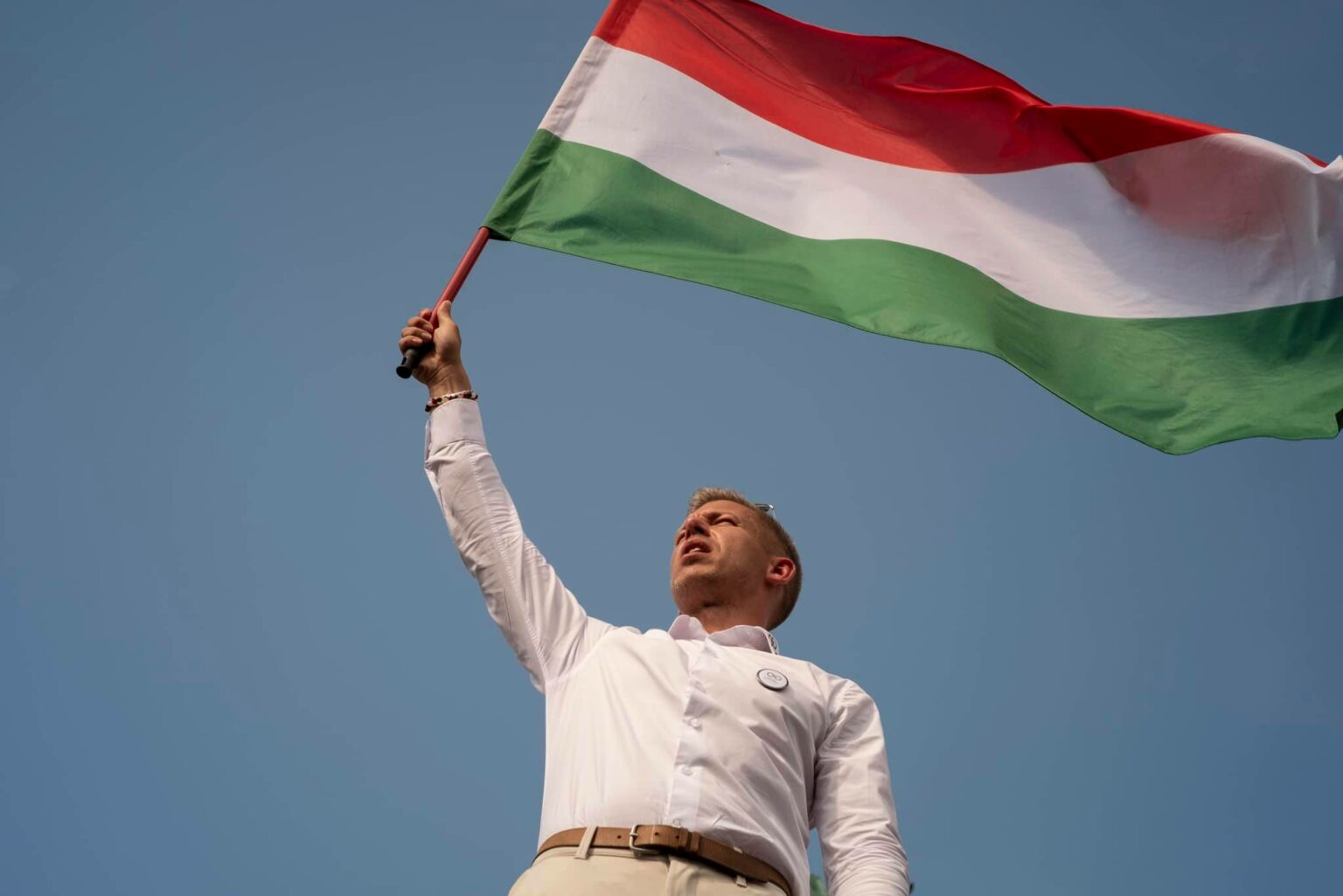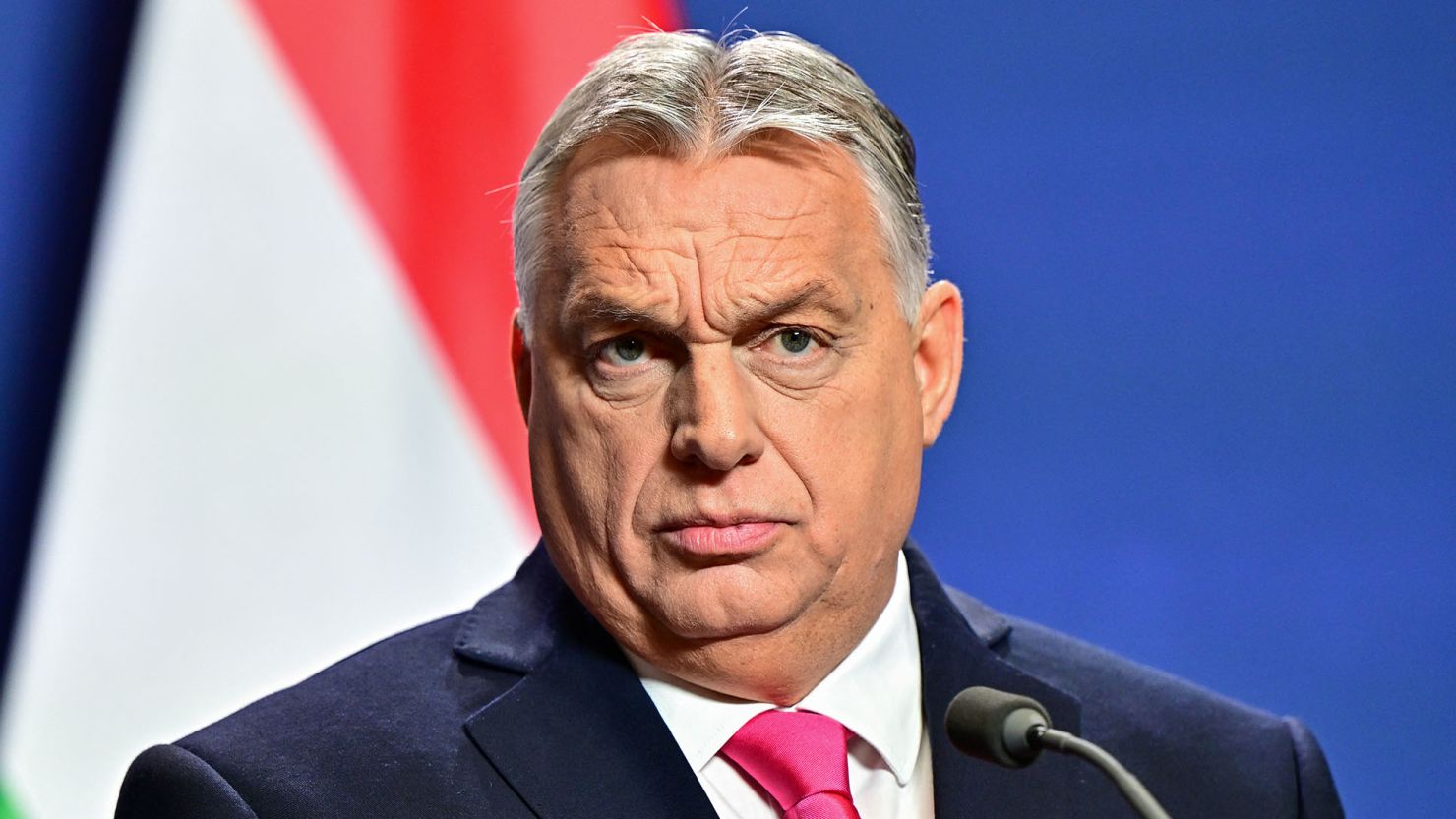
Viktor Orban just lost his grip on Hungary. After sixteen years of constructing an "illiberal democracy" that seemed architecturally impossible to dismantle, the foundation gave way on April 12, 2026. The man who pulled the lever was not a liberal firebrand from the traditional left, but a high-ranking defector from the inner sanctum of the ruling Fidesz party. Peter Magyar, a former diplomat and ex-husband of Orban’s own former Justice Minister, led his Tisza party to a victory that has effectively ended the longest-serving premiership in the European Union.
With 60% of the vote counted, the Tisza party held a commanding 52% to Fidesz’s 38%. Orban has already conceded. The "cataclysm," as Magyar describes it, did not happen because of a sudden shift in ideological hunger toward Western progressivism. Instead, Orban was defeated by a mirror image of his own conservative movement—one that kept the nationalist rhetoric but promised to clean out the rot of a state-captured economy.
The Architect of the Collapse
Peter Magyar is not a typical insurgent. He spent two decades moving comfortably within the political world Orban built. He was a diplomat in Brussels and a director of state-affiliated institutions. He knew where the bodies were buried because he helped dig the trenches.
The turning point was not a policy disagreement, but a moral fracture. In early 2024, a pardoning scandal involving a children’s home official convicted of covering up sexual abuse forced the resignation of the President and the Justice Minister. Magyar, watching the system he served protect its own at the expense of the vulnerable, went rogue. He released secret recordings of his ex-wife, Judit Varga, describing how government officials tampered with court documents to protect senior leaders from corruption probes.
This was the crack in the dam. Unlike previous opposition leaders who could be easily dismissed by the state media machine as "Brussels puppets" or "Soros agents," Magyar was a product of the system. He spoke the language of the Hungarian right. He understood how the Fidesz propaganda apparatus worked, and more importantly, he knew how to jam it.
Why the Old Playbook Failed
For over a decade, Orban’s survival depended on a fractured opposition. By gerrymandering districts and dominating the media, Fidesz ensured that no single challenger could gain enough momentum to threaten their supermajority. The strategy was simple: paint every opponent as an existential threat to Hungarian sovereignty and traditional values.
Magyar bypassed this by refusing to play the part of the liberal antagonist. He did not campaign on dismantling Orban’s anti-migration policies or his emphasis on national identity. Instead, he hammered on "bread-and-butter" issues that the government had ignored while fighting cultural wars.
- Inflation: Two years of record-high price increases decimated the middle class.
- Infrastructure: Decaying rail networks and a crumbling healthcare system contrasted sharply with the luxury villas of the new pro-government oligarchy.
- Corruption: The blatant enrichment of a small circle of "oligarchs" through state and EU funds.
By the time the 2026 election arrived, the Fidesz machine was exhausted. They tried to paint Magyar as an unstable opportunist and a "betrayer of his family." It backfired. In rural strongholds where Orban once enjoyed 70% of the vote, Magyar’s message of "conservative renewal" resonated with voters who were tired of the graft but still identified as patriots.
The Strategic Ambiguity of Tisza
One must understand that Magyar’s victory does not mean Hungary is returning to the liberal consensus of the early 2000s. The Tisza party remains deeply skeptical of many EU mandates. In the European Parliament, Tisza MEPs have frequently aligned with Fidesz on sensitive issues like migration and the rejection of federalist integration.
Magyar has been notably cautious about Ukraine. While he pledges to restore relations with NATO and the EU to unlock €18 billion in frozen funds, he has not committed to a radical reversal of Orban’s "peace mission" rhetoric. He is a pragmatist who knows that a significant portion of his new electorate still views the war in neighboring Ukraine with deep apprehension.
The Breakdown of the Vote
The results show a massive shift in the Hungarian Heartland.
- Budapest: A total wipeout for Fidesz. Magyar’s party and his allies swept almost every district.
- The Provinces: Traditionally Orban’s fortress, many medium-sized cities flipped to Tisza.
- The Youth: Record turnout among voters under 30, who saw Magyar as a modern alternative to the aging, 1980s-era leadership of Fidesz.
The Price of Regime Change
The transition will be brutal. Orban did not just lead a government; he built a "deep state" of loyalists embedded in the judiciary, the central bank, and the media authority. These officials hold long-term mandates that extend far beyond the election cycle. Magyar will find himself leading a government where the levers of power are still manned by his predecessor’s allies.
There is also the matter of the economy. Orban spent heavily in the months leading up to the election to shore up support, leaving the national treasury in a precarious state. Magyar’s promise of "redistribution to the disadvantaged" will hit the hard wall of a deficit that has been stretched to the breaking point.
The 77% turnout—the highest in Hungary’s post-communist history—proves that the "illiberal" experiment did not end because Hungarians stopped being conservative. It ended because the architect of that experiment stopped delivering on the promise of a stable, prosperous life. Orban offered a fortress; Magyar offered a house that actually has working plumbing.
The real test begins now. Winning an election against an autocrat is a feat of political marketing and courage. Governing a state that has been systematically captured by a single party for sixteen years is a task of institutional demolition. Magyar has the mandate, but he is walking into a minefield of his own making. The "Hungarian carnival" in the streets of Budapest tonight is loud, but the silence from the Prime Minister’s office in the Carmelite Monastery is louder.
Orban is down, but the system he built is still breathing. Magyar must now decide whether to dismantle the machine or simply take his turn at the controls.