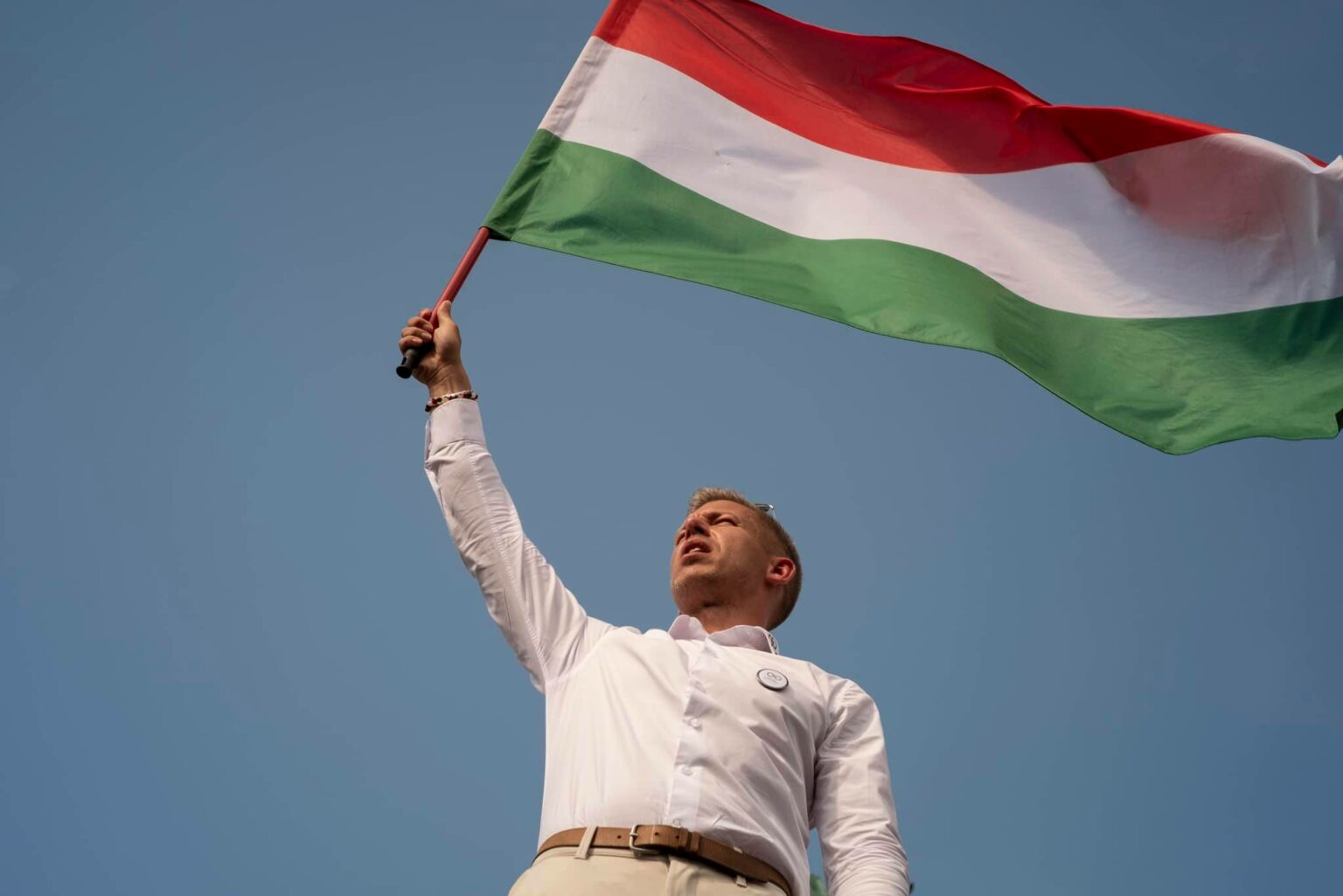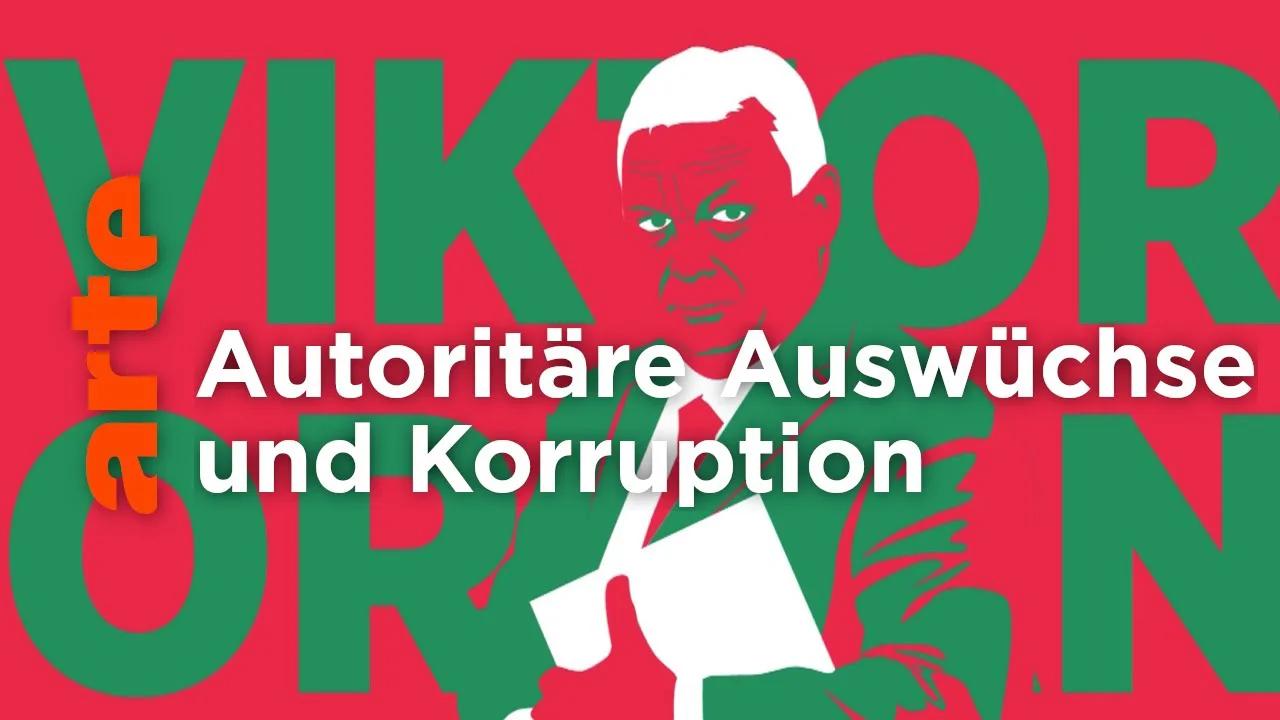
Viktor Orbán has finally hit the floor. After fourteen years of tightening his grip on Hungary’s state apparatus, the man who positioned himself as the vanguard of European national-conservatism has conceded defeat. This was not a narrow loss or a statistical fluke. The opposition secured a landslide victory that dismantled the Fidesz machine in urban centers and rural heartlands alike. The result forces an immediate end to the era of "Illiberal Democracy" and marks a tectonic shift in Central European power dynamics.
The collapse happened because the internal math of the Orbán regime stopped adding up. For over a decade, the Prime Minister maintained power through a sophisticated blend of media dominance, gerrymandered electoral laws, and a patronage network funded by European Union subsidies. But when those subsidies were frozen due to rule-of-law disputes and inflation began eating the savings of his core constituency, the aura of invincibility vanished. Voters did not just choose a different party; they rejected a system that had become too expensive and too isolated to function.
The Infrastructure of a Landslide
Most political analysts looked at the polls and predicted a tight race. They were wrong because they measured sentiment rather than the structural decay within the Fidesz organization. The landslide was built on a massive, coordinated mobilization of young voters and disillusioned former Fidesz supporters who had previously stayed home.
The opposition succeeded by doing the one thing Orbán spent a decade preventing: they stayed united. In previous cycles, the Prime Minister relied on a fragmented field of rivals to win supermajorities with only 45 percent of the popular vote. This time, the "anyone but Orbán" coalition held. They neutralized his ability to split the vote, forcing the government to fight on a single, unified front. When the first returns from the countryside—long considered Orbán’s impenetrable fortress—showed double-digit swings toward the opposition, the result was decided.
The Economic Trigger
Pride goes before a fall, but inflation usually accelerates it. Hungary’s economy has been under immense pressure for two years. While the government blamed "Brussels sanctions" for the skyrocketing cost of living, the public began to look closer at domestic mismanagement.
Orbán’s economic model relied on keeping wages low to attract foreign manufacturing while using state funds to enrich a small circle of loyalists. This worked as long as the global economy was stable. However, when the forint plummeted and energy costs spiked, the government had no remaining tools to shield the population. The "utility price cap" policy, a cornerstone of Fidesz’s popularity, became unsustainable. When the bills started rising, the political loyalty of the middle class dissolved.
Control of Information Failed
The most significant takeaway from this election is the failure of the government’s massive media empire. Over 80 percent of Hungarian media outlets were controlled by foundations or individuals with direct ties to the Prime Minister. This apparatus spent months painting the opposition as puppets of foreign interests.
It did not work. The saturation reached a tipping point where the propaganda became background noise. People could see the disparity between the televised version of a prosperous Hungary and the reality of crumbling hospitals and underfunded schools. The digital divide also played a role. Younger generations, who consume news via social media rather than state-controlled television, were effectively insulated from the government’s narrative. They became the messengers for their parents and grandparents, breaking the information monopoly from the inside out.
The Geopolitical Isolation
Orbán’s "Eastern Opening" policy—an attempt to balance relations between the West, Russia, and China—became a liability rather than an asset. By maintaining a cozy relationship with the Kremlin while the rest of the continent moved in the opposite direction, Hungary became a pariah within both the EU and NATO.
This isolation had tangible consequences. It provided the political cover for the European Commission to withhold billions in recovery funds. Without that cash, the patronage network that kept local mayors and regional power brokers loyal to Budapest began to starve. The machinery of the state requires constant lubrication in the form of contracts and development funds. When the money stopped flowing, the local bosses stopped working the phones.
The Opposition’s New Reality
Securing a win is different from governing a country with a gutted civil service. The incoming administration inherits a state where the "deep state" is composed of Orbán appointees with long-term contracts. From the Constitutional Court to the university boards, the architecture of the country remains programmed for a Fidesz worldview.
The new government faces the immediate task of restoring institutional independence without appearing to conduct a "witch hunt" that would further polarize the nation. They must also move fast to unlock the frozen EU funds. This requires immediate legislative changes to judicial oversight and public procurement laws—the very things Orbán spent years dismantling.
A Warning to Global Populism
The Hungarian election results will be studied by political strategists across the globe. For years, Hungary was the blueprint for how a democratic leader could slowly dismantle checks and balances without triggering a revolution. Orbán showed how to use the law to kill the spirit of the law.
His defeat proves that there is a limit to how much a population will tolerate institutional decay in exchange for nationalist rhetoric. The "culture war" strategies that Fidesz employed—focusing on migration and social issues—eventually lost their potency when stacked against bread-and-butter economic concerns. You cannot eat sovereignty, and you cannot pay rent with national pride.
The Mechanics of the Concession
Orbán’s concession was brief and uncharacteristically somber. There were no calls for his supporters to take to the streets, a move many feared might happen if the results were close. The scale of the defeat made any challenge to the legitimacy of the vote impossible.
The transition of power will be messy. There are reports of shredders running late into the night in government buildings across Budapest. Financial records, internal memos, and evidence of procurement irregularities are likely being scrubbed. The incoming investigators will find a trail that has been intentionally blurred, making the promise of "accountability" difficult to deliver in the short term.
The new leadership must resist the urge to mimic the heavy-handed tactics of their predecessors. If they use the same state media tools to broadcast their own propaganda, they will simply be the other side of the same coin. The challenge is to prove that a different kind of politics is possible in a region that has become cynical about the very idea of public service.
Rebuilding the Center
The landslide was won in the center. While the opposition coalition included parties from the left and the right, the decisive votes came from people who simply wanted a "normal" country. They wanted a country where the Prime Minister’s childhood friend doesn't become the nation's richest man overnight. They wanted a country where teachers aren't forced to strike for a living wage.
This centrist block is volatile. If the new government fails to stabilize the economy quickly, these voters could easily swing back to a populist alternative in four years. The honeymoon period will be non-existent. The global markets are watching closely to see if the new administration can balance the budget while fulfilling their promises of social investment.
The End of the Vanguard
For a decade, Budapest was a pilgrimage site for "alt-right" thinkers and national-conservative politicians from the United States and Europe. They saw Orbán as a hero who had cracked the code of winning in a liberal world. They praised his "Christian democracy" and his defiance of international norms.
With his removal from power, that movement loses its primary laboratory. The "Hungarian Model" is no longer a success story to be exported; it is a cautionary tale of overreach. The loss suggests that even the most sophisticated systems of control have a shelf life. When a leader stops solving the problems of the people and starts focusing exclusively on the preservation of their own power, the clock begins to tick.
The Hungarian people have signaled that they are ready to return to the European mainstream. They have chosen a path of cooperation over confrontation. The work of undoing fourteen years of systemic capture begins now, and it will be the most difficult political project in the history of post-communist Central Europe. The landslide provided the mandate, but the real test lies in the mundane, difficult work of rebuilding a functioning democracy from the ruins of an autocracy.
The transition begins with the freezing of all major state contracts and an immediate audit of the central bank’s reserves. The era of the "strongman" in Budapest has ended not with a bang, but with a massive, undeniable pile of ballots.