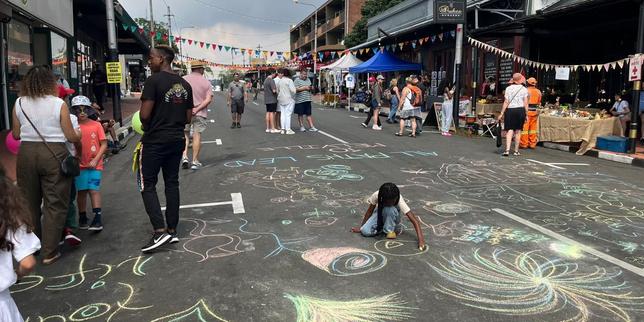
You’re walking through a city that feels like it’s mostly concrete and salt air, but somewhere between the docks and the Common, there’s a movement happening that isn't just about "organic" labels. It’s about dirt. It’s about the specific, damp soil of Hampshire. Farm and forage Southampton isn't a single shop or a specific brand name you’ll find on a neon sign; it is a lifestyle ecosystem that connects the urban center to the New Forest and the Test Valley.
Most people think foraging means wandering aimlessly through a park hoping you don’t pick a poisonous mushroom. Honestly? It’s much more calculated than that. In Southampton, the intersection of managed farmland and wild coastal spaces creates a unique pantry that most residents walk past every single day without realizing they’re looking at dinner.
Why Farm and Forage Southampton is Actually Possible (Even in the City)
Southampton has this weird, brilliant geography. You have the massive green lung of the Common, the Riverside Park trails, and then, within a twenty-minute drive, you’re in the heart of deep Hampshire countryside. This proximity means that "farm to table" isn't a marketing gimmick here. It’s a logistical reality.
Local farms like Sunnyfields or the various smallholdings near Botley provide the backbone. They do the heavy lifting with brassicas, heritage tomatoes, and pumpkins. But the "forage" side of the equation is where things get interesting. You’ve got the shoreline for sea beets and samphire, and the wooded fringes for wild garlic.
Wild garlic season in Southampton is basically a local holiday for those in the know. Around March and April, if you walk near the damp, shaded parts of the Itchen Navigation, the smell is unmistakable. It’s pungent. It’s green. It’s free.
The Misconception of "Wild" Food
A lot of people get intimidated. They think they need a degree in botany to participate in the farm and forage Southampton scene. You don't. You just need to know how to identify three things perfectly rather than thirty things vaguely.
Take the stinging nettle. Everyone knows it. Everyone has been stung by it. But have you ever actually blanched them to make a soup that tastes better than any spinach you've ever bought at a supermarket? If you pick the young tops in early spring—wearing gloves, obviously—you’re getting a nutrient density that puts kale to shame.
Where the Farm Meets the City
If you aren't ready to go full bushcraft in the New Forest, the "farm" side of the local food loop happens at the markets. The Southampton Hampshire Farmers' Market is the heavy hitter here. It isn't just a place to buy overpriced jam. It’s where you meet the people who actually know the drainage patterns of the soil in the Meon Valley.
Real Talk on Seasonality
We’ve become so used to buying strawberries in December that we’ve forgotten what a real strawberry tastes like. A strawberry grown in Hampshire soil, picked when it’s actually ripe, and sold at a stall in the city center is a different species entirely. It’s smaller. It’s darker. It doesn't last a week in your fridge because it doesn't have that weird, waxy coating.
- Spring: Wild garlic, nettles, asparagus from the local farms, and the very first radishes.
- Summer: Berries, obviously. But also sea purslane from the coastal paths if you know where the tide doesn't bring in the grime.
- Autumn: This is the big one. Fungi. Blackberries. Sloes for your gin.
- Winter: Root vegetables and the hardy kales.
Hampshire is famous for its watercress. The "Watercress Line" isn't just a heritage railway; it’s a nod to the fact that the chalk streams around Alresford produce some of the best peppery greens in the world. When you’re looking for farm and forage Southampton options, checking for local watercress is the easiest way to vet a menu or a greengrocer.
The Ethics of Scrounging for Food
Let’s be real for a second. You can’t just go ripping up plants everywhere. There’s a code.
First, never take more than you need. If you see a patch of wild garlic, don't clear-cut it. Take a few leaves from each plant. Second, make sure you aren't on private land without permission. Most of the best foraging spots near Southampton are public footpaths, but the farmers nearby are protective of their hedges for a reason. Hedges are ecosystems.
Also, consider the "dog pee height" rule. It’s exactly what it sounds like. If you’re foraging in a popular spot like the Common, don’t pick anything growing lower than a Labrador’s leg. It’s basic hygiene.
The Best Spots You Might Be Overlooking
- The Itchen Navigation: Brilliant for elderflower in the early summer. The creamy white umbrellas of flowers make the best cordial you’ll ever taste. Just don't confuse them with Cow Parsley or, god forbid, Hemlock.
- Westwood Woodland Park: A bit of a hidden gem on the edge of Netley. It has a great mix of ancient woodland and open spaces.
- Royal Victoria Country Park: Great for coastal plants along the shoreline, though you have to be careful with the tides.
- Pick-Your-Own Farms: Places like Durley or Pickwell Farm are the bridge. You’re "foraging" in a controlled environment. It’s great for kids and ensures you’re actually getting something edible.
Why It Matters for Southampton’s Economy
When you lean into the farm and forage Southampton vibe, you’re basically divesting from global supply chains that don't care about flavor. You're supporting a guy named Dave who spends his life making sure his sheep are happy or a woman named Sarah who knows exactly which part of the woods has the best chanterelles.
This creates a "circular economy." The money stays in Hampshire. The carbon footprint of your dinner is measured in miles, not thousands of miles. It’s a quiet rebellion against the blandness of modern logistics.
Handling the Risks: What to Avoid
It’s not all sunshine and berries. Some things will kill you. Or at least make you wish you were dead for 48 hours.
The most dangerous mistake in the Southampton area is confusing wild alliums with Lily of the Valley or Lords and Ladies. They grow in similar damp spots. If it doesn't smell like garlic when you crush a leaf, do not eat it. Fungi are even trickier. Unless you are 100% certain—meaning you’ve cross-referenced with a book and maybe an expert—don't touch them. The New Forest has some incredible edible mushrooms, but it also has the Death Cap. The name isn't a metaphor.
Actionable Steps for the Aspiring Local Eater
If you want to actually start doing this, don't go out and buy a £50 foraging kit. You don't need it.
Start by visiting the next Farmers' Market in the city. Ask the growers what’s in season right now and—more importantly—what’s coming up next month. That’s how you learn the rhythm of the land.
Next, take a walk. Go to the Common or Riverside Park. Don't pick anything yet. Just look. Can you find a lime tree? (The young leaves are actually great in salads). Can you spot the difference between a hawthorn and a blackthorn?
Your First Mission: Find a patch of nettles in a clean area. Wear thick gloves. Snip off the top four leaves of about twenty plants. Take them home, wash them thoroughly, and sauté them with butter and salt. It’s a two-minute process that will completely change how you view the "weeds" in your backyard.
Once you’ve mastered the "farm" side by sourcing locally and the "forage" side by identifying basic greens, you’ll realize that Southampton isn't just a transit hub or a shopping destination. It’s a landscape that wants to feed you, provided you know how to ask.
Practical Checklist for Today:
- Check the Hampshire Farmers' Market schedule for the next Southampton High Street date.
- Download a basic plant identification app like PictureThis or Seek, but use them only as a starting point, never as the final word on edibility.
- Buy a local sourdough loaf from a baker like Hoxton Bakehouse—it’s the perfect vessel for foraged wild garlic butter.
- Visit Sunnyfields Farm shop just outside the city to see what’s actually being pulled out of the ground this week.
Eating this way takes more effort than a supermarket run. It’s slower. It’s dirtier. But the first time you sit down to a meal where you know the name of the farmer and the exact path where the herbs grew, you'll get it. The taste is sharper, the colors are brighter, and honestly, it just feels better. No corporate branding required.