The dirt in Miami-Dade County isn’t just soil; it’s a currency. It is a dense, humid promise of future skyscrapers, luxury condos, and the relentless hum of international commerce. In Florida, land is the only thing they aren't making more of, which makes the act of giving it away feel less like charity and more like a heist.
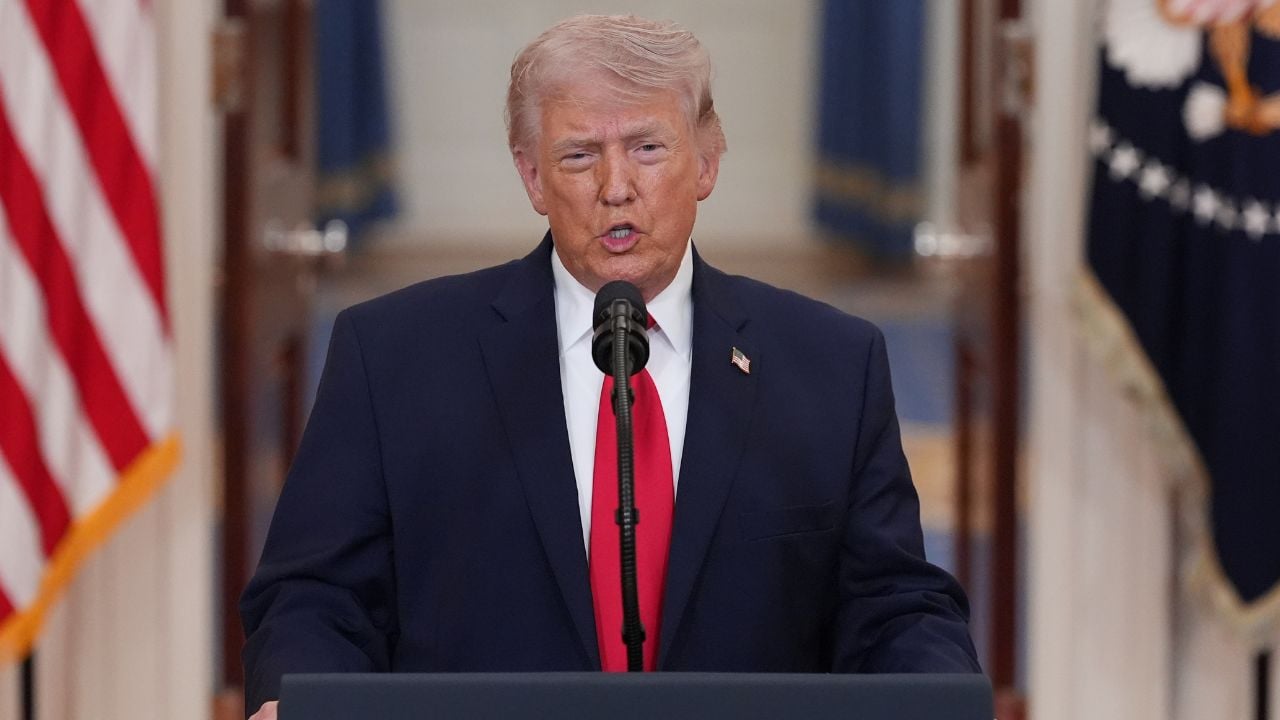
When the news broke that Florida Governor Ron DeSantis and a group of state officials had cleared the way to hand over a valuable slice of Miami land to Donald Trump for a presidential library, the reaction wasn't just political. It was visceral. To the average resident stuck in the gridlock of the Palmetto Expressway, a "land donation" sounds like a fairy tale. Most people have to fight for every square inch of their driveway.
But at the highest levels of power, geography is a chess piece.
The Paper Trail of a Promise
The lawsuit filed against the Governor and the former President isn't just a collection of legal jargon and filing fees. It is a scream for transparency in a room where the windows have been painted over. The core of the complaint is simple: a taxpayer-funded asset—land that belongs to the people of Florida—was essentially gift-wrapped for a private legacy project without the rigorous, public vetting that usually accompanies such a massive transfer.
Consider a hypothetical small business owner in Miami named Elena. Elena spent three years, exhausted her savings, and navigated a labyrinth of zoning boards just to get a permit for a coffee shop on a derelict corner. She had to prove the public benefit. She had to show the environmental impact. She had to pay market value. Now, she watches from her window as acres of prime real estate are moved across the ledger with the stroke of a pen, bypassing the very hurdles that define her daily existence.
This is where the frustration takes root. It isn't necessarily about the man whose name will be on the building. It is about the process that allowed the building to exist in the first place.
A Library or a Landmark
Presidential libraries are strange beasts. Historically, they are meant to be repositories of truth—temples of archives where historians can dissect the decisions that shaped a nation. But in the modern era, they have morphed into monuments. They are branding exercises.
When a state government decides to donate land for such a project, they are making a bet. They are betting that the foot traffic, the tourism, and the prestige will outweigh the loss of the land itself. However, the lawsuit alleges that this bet was rigged. The plaintiffs argue that the donation didn't follow the state's own "Internal Improvement Trust Fund" guidelines, which are supposed to ensure that state land is used for the "highest and best" public use.
Is a private library for a singular political figure the "highest and best" use for Miami land? In a city facing a chronic housing shortage and rising sea levels, that question isn't just academic. It’s existential.
The Mechanics of the Deal
The transfer wasn't a sudden whim. It was a calculated maneuver. State officials utilized a specific legal mechanism that allows for the disposal of "surplus" land. Calling Miami real estate "surplus" is like calling a gallon of water "extra" in the middle of a desert.
The legal challenge suggests that the "surplus" designation was a convenient fiction used to sidestep the competitive bidding process. Usually, if the state has land it doesn't need, it has to sell it to the highest bidder to replenish the public coffers. By donating it, the state effectively took millions of dollars out of the pockets of Florida taxpayers and handed it to a billionaire’s foundation.
The math doesn't add up for the person paying property taxes in Hialeah or Coral Gables.
$ \text{Public Asset Value} - \text{Zero Purchase Price} = \text{Net Loss to Taxpayers} $
This equation is the heartbeat of the litigation. It’s the gap between what the land is worth on the open market and what the state received for it.
The Shadow of the Florida Cabinet
Governor DeSantis doesn't act alone in these matters. The Florida Cabinet—a group consisting of the Attorney General, the Chief Financial Officer, and the Commissioner of Agriculture—serves as the board of directors for the state's land. The lawsuit paints a picture of a board that prioritized political alignment over fiduciary duty.
Imagine a corporate board of directors giving away a company factory to a former CEO just because they liked his style. The shareholders would revolt. In this scenario, the citizens of Florida are the shareholders, and the lawsuit is the beginning of that revolt.
The irony is thick. The very leaders who often campaign on the sanctity of private property and the efficiency of the free market are the ones being accused of distorting that market through a massive, non-competitive giveaway. It creates a "pay-to-play" atmosphere that chills the blood of anyone who believes in a level playing field.
Why the Dirt Matters
We often think of lawsuits like this as "noise." We see two political titans clashing and assume it's just another round of theater in a polarized world. But if you look past the headlines, you see the precedent.
If this land can be given away today for a library, what can be given away tomorrow? A park? A coastline? A forest?
The stakes are invisible until they aren't. They remain invisible while the papers are being signed in wood-panneled rooms in Tallahassee. They stay invisible while the lawyers trade motions in the quiet of a judge's chambers. They only become visible when the fences go up, the bulldozers arrive, and a piece of the public soul is paved over for a private purpose.
Miami is a city of layers. It is built on limestone and dreams. When you start handing out the foundation of that city to satisfy a political debt or secure a legacy, you aren't just moving dirt. You are eroding the trust that holds the whole precarious structure together.
The sun sets over the plot of land in question, casting long shadows across the grass that might soon be under concrete. For now, it is still just earth. It is quiet. But the storm of litigation brewing around it ensures that this particular piece of Florida will never be "surplus" again. It is now a symbol of the price we pay for the legacies of powerful men.
In the end, the dirt always tells the truth, even if the deeds do not.