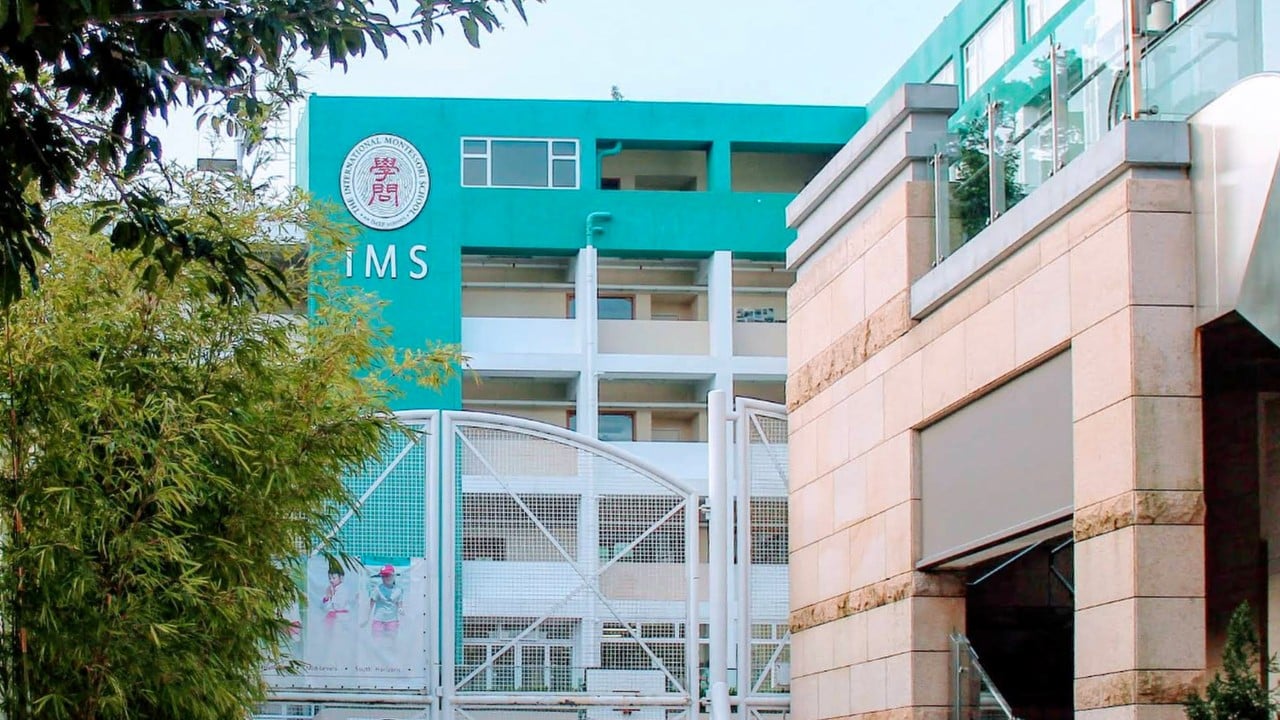
The morning air in the city’s international school district usually carries the scent of expensive coffee and the quiet hum of idling luxury SUVs. It is a neighborhood built on the promise of insulation. Here, parents pay a premium not just for the International Baccalaureate or the Mandarin immersion programs, but for the invisible wall that keeps the chaos of the outside world at bay. When you drop a four-year-old off at a gate guarded by biometric scanners and smiling staff, you aren’t just buying an education. You are buying the peace of mind that comes with total, unshakeable security.
That peace of mind shattered on a Tuesday.
The report was clinical, as police reports always are. It spoke of an alleged indecent assault. It mentioned a four-year-old boy. It cited a prestigious international school as the setting. But the dry language of a precinct blotter cannot capture the precise moment a parent’s world tilts on its axis. It doesn't describe the weight of the backpack the boy was likely wearing, or the way the brightly colored posters on the classroom walls—the ones depicting kindness and sharing—suddenly look like cruel ironies.
The Architecture of Trust
Trust is a fragile thing, built slowly like a cathedral and demolished in a heartbeat. In an elite educational environment, that trust is the foundation of every interaction. We hand over our children—our most vulnerable, literal embodiments of our hearts—to institutions because we believe in their protocols. We believe in the background checks. We believe in the "two-adult" rules. We believe that the high walls work both ways: keeping the bad out and keeping the good safe within.
Consider the hypothetical perspective of a mother we will call Elena. She chose this school because of the vetting process. She spent months researching their safety standards. To Elena, and hundreds of parents like her, the school was a fortress. But when the news broke that police were investigating an incident involving a preschooler, the fortress didn't feel like a sanctuary anymore. It felt like a trap.
The investigation is currently focused on the details of what happened behind those closed doors. Detectives are moving through the halls, interviewing staff, and reviewing digital footprints. While the legal system grinds forward with its necessary, agonizing slowness, a different kind of crisis is unfolding in the living rooms of the school community. It is a crisis of the "What If."
What if the systems failed? What if the very prestige that makes these schools desirable also creates a veil of secrecy?
The Invisible Stakes of Prestige
There is a specific kind of pressure that exists within high-end international institutions. They are brands as much as they are schools. When a scandal hits, the instinct of any brand is to protect the image. This is where the tension lies. On one side, you have the legal requirement for transparency and the moral obligation to protect a child. On the other, you have the terrifying prospect of a tarnished reputation that could devalue the degrees and the status of every family enrolled.
This isn't just about one incident. It's about the systemic way we handle the unthinkable in places where everything is supposed to be perfect.
Statistics tell us that most incidents of this nature occur not in dark alleys, but in places of perceived safety. The data is a cold comfort. It suggests that our focus on external threats—the "stranger danger" we were taught in the nineties—is often misplaced. The real danger frequently wears a uniform, carries a clipboard, or holds a key to the building.
When the Smallest Voices Speak
How does a four-year-old tell a story that they don't even have the vocabulary to understand?
This is the most heartbreaking element of the current investigation. Forensic interviewers, trained to speak the language of childhood, are tasked with piecing together a narrative from a victim who is still learning how to tie his shoes. They don't look for a linear testimony. They look for changes in behavior. They look for the way a child plays with dolls or the sudden, inexplicable fear of a certain room.
The burden on the family is immense. They are navigating a labyrinth of police interviews, medical examinations, and the crushing weight of their own guilt. Even though they did everything right—even though they picked the best school and paid the highest tuition—the guilt remains. It is the irrational, agonizing "I should have known" that haunts every parent who has ever trusted the wrong person.
The school, for its part, has issued the standard communications. They are cooperating with authorities. They are prioritizing student welfare. But for the parents standing at the gate the next morning, the words feel thin. They are looking at the teachers, the administrators, and the security guards with new eyes. Every smile is scrutinized. Every closed door is a question mark.
The Cost of the Silence
The real tragedy of these situations is often what happens after the police cars leave. If the institution prioritizes its brand over the truth, the wound never heals. It just gets covered up with fresh paint and new brochures.
We see this pattern repeat across the globe, from prestigious boarding schools in the UK to elite academies in the United States. The "hush-hush" culture of the upper class can be a deadly ally to a predator. When people are afraid to speak because they don't want to cause a scene or "ruin a reputation," the silence becomes a shield for the guilty.
But this time, the silence is being broken. The investigation is active. The community is watching. This isn't just a local news story; it is a litmus test for how we value the safety of a child versus the stability of an institution.
The reality is that no amount of tuition can buy a world without shadows. We want to believe that if we work hard enough and pay enough, we can create a bubble where nothing bad ever happens. We want to believe that the international school is a different world.
It isn't.
It is the same world, with the same human failings and the same capacity for darkness. The only difference is the height of the walls and the price of the entry fee.
As the sun sets over the manicured campus, the lights in the administrative offices stay on. Down the street, in a quiet home, a four-year-old boy is perhaps being tucked into bed, unaware that he is the center of a storm that may change the way an entire city thinks about safety. His parents are likely sitting in the dark, wondering how to reconcile the life they thought they had with the one they are now living.
The scanners at the gate will still beep tomorrow morning. The guards will still nod. The coffee will still be hot. But the air will feel different. The insulation is gone.
Now, there is only the truth, waiting to be found in the fragments of a child's story.