Geopolitics is not a courtroom; it is a bazaar. When Ukraine summons the Israeli ambassador over allegations of "stolen" grain shipments, the media treats it like a moral crusade. They want you to believe this is about international law, sovereignty, and the sanctity of global food supplies.
It isn't. This is a cold, calculated leverage play where the grain is merely a bargaining chip in a much larger, uglier game of Middle Eastern positioning.
The standard narrative is lazy. It suggests that Israel is "looking the other way" while Russian-flagged ships carry looted Ukrainian wheat into Mediterranean ports. The implication is that Israel is failing a moral test. But in the world of high-stakes commodity trading and maritime logistics, morality is a luxury that starving nations and warring states cannot afford.
The Myth of the Stolen Grain Paper Trail
Let's talk about how grain actually moves. You don't just put a "Property of Ukraine" sticker on a million tons of winter wheat.
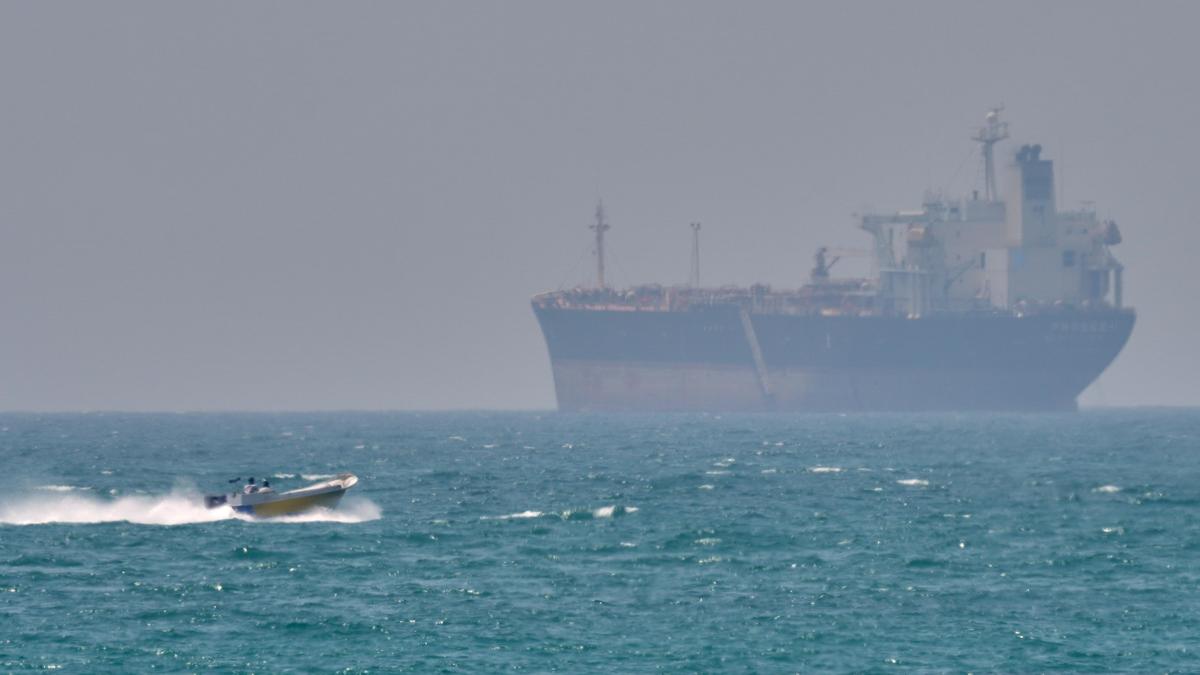
In the shipping industry, origin is fluid. Through a process known as "blending," grain from occupied territories is mixed with Russian-certified crops in ports like Sevastopol or Kavkaz. By the time a bulk carrier hits the Mediterranean, its Certificate of Origin is technically "legal." It has been stamped, notarized, and insured.
When Ukraine demands that Israel—or Lebanon, or Egypt, or Turkey—seize these ships, they are asking for a total collapse of maritime due diligence. They are asking a sovereign nation to ignore a ship's valid documentation based on intelligence reports that, while likely true, are legally difficult to enforce in a commercial court.
I have seen traders move millions in "gray" assets by simply changing the paperwork mid-transit. If Israel starts seizing ships based on Ukrainian satellite imagery alone, they aren't just "doing the right thing." They are setting a precedent that would allow any nation to block any cargo at any time based on a political whim. That is a recipe for a global supply chain heart attack.
Why Israel is the Perfect Scapegoat
Ukraine’s public shaming of Israel is a masterclass in asymmetrical diplomacy. They know Israel is walking a razor-edged tightrope between its security interests in Syria—where Russia controls the skies—and its desire to remain part of the Western democratic bloc.
By summoning the ambassador, Kyiv isn't actually trying to stop a few boatloads of wheat. They are trying to shame Israel into providing Iron Dome technology or more aggressive military intelligence. It is a shakedown.
- The Logic of the Shakedown: If you can't get the weapons you want, you attack the target’s reputation.
- The Collateral: Israel’s neutrality is the currency being spent here.
- The Reality: Even if Israel seized every ship Ukraine pointed at, it wouldn't change the outcome of the war. It would, however, likely result in Russian jets harassing Israeli sorties over Damascus.
Israel’s silence isn't "complicity." It is survival. Expecting a nation to trade its immediate national security for a symbolic gesture regarding grain shipments is the height of geopolitical naivety.
The Commodity Laundering Reality
The world treats grain like a precious heirloom. It’s not. It is a fungible commodity.
When Russia "steals" grain, they aren't just taking it to eat. They are using it to flood markets and drive prices down, or to reward "neutral" parties with discounted food security. This is "Grain Laundering."
Imagine a scenario where a ship leaves Crimea with 30,000 tons of wheat. It turns off its Automatic Identification System (AIS) transponder—a practice known as "going dark." It meets another ship in the Black Sea, transfers the cargo, and that second ship docks in a third-party port with a clean bill of lading from a Russian port like Novorossiysk.
To the port authorities in Haifa or Ashdod, that grain is Russian. To prove it’s Ukrainian requires DNA testing of the wheat kernels—a process that takes weeks, costs thousands, and is virtually never done at scale.
Ukraine knows this. Israel knows this. The summoning of the ambassador is a PR stunt designed for the 24-hour news cycle, not for the maritime courts.
The "People Also Ask" Fallacy
People often ask: "Why can't the UN just track every shipment?"
The answer is brutal: Because the UN has no teeth, and the trackers can be bought. The maritime industry is built on a foundation of "flags of convenience." A ship owned by a Greek shell company, flagged in Liberia, and manned by a Filipino crew can carry Russian-laundered Ukrainian grain to a port in Israel.
Who do you sue? Who do you sanction?
The premise that we can "clean up" the global grain trade is a fantasy. As long as there is a hungry buyer and a willing seller, the grain will move. Israel just happens to be a convenient place to draw a line in the sand because they are vulnerable to Western public opinion.
The Economic Hypocrisy
We see a massive outcry when a Russian ship docks in Israel. Where is that same energy for the European nations still quietly importing Russian LNG? Or the "neutral" hubs in the UAE and Turkey that have seen their trade with Russia explode since 2022?
Ukraine picks its battles based on where it can get the most "outrage ROI." Attacking Israel gets headlines in the New York Times and the Guardian. Attacking India for buying millions of barrels of Russian oil? That’s a harder sell. It’s inconsistent, but in war, consistency is for losers.
Stop Asking for Morality in the Hold of a Ship
If you want to stop the theft of Ukrainian grain, you don't do it by summoning ambassadors. You do it by sinking the ships or blockading the ports.
Everything else is theater.
The "stolen grain" narrative serves a purpose: it keeps the world’s attention on Russian war crimes. That is a valid and necessary goal. But don't mistake the diplomatic posturing for a real solution to commodity theft.
Israel isn't the villain here, and Ukraine isn't just a victim. They are two states playing a high-stakes game of poker. Ukraine is betting that Israel cares more about its global image than its Syrian buffer zone. Israel is betting that they can weather the bad PR until the news cycle shifts to the next crisis.
The grain is already gone. It was baked into bread weeks ago. The ships are already heading back for more.
The next time you see a headline about a "diplomatic summons," don't look at the grain. Look at the missiles. Look at the air defense systems. Look at the maps of Syria and the Donbas. That is where the real trade is happening.
The wheat is just the bait.
Stop pretending this is about "theft" and start acknowledging it's about the price of silence in a world where everyone is buying something from a criminal. If you’re looking for a clean hands in the global grain trade, you’re looking for a ghost.
Buy the bread. Ignore the summons. The bazaar is open, and the prices are non-negotiable.