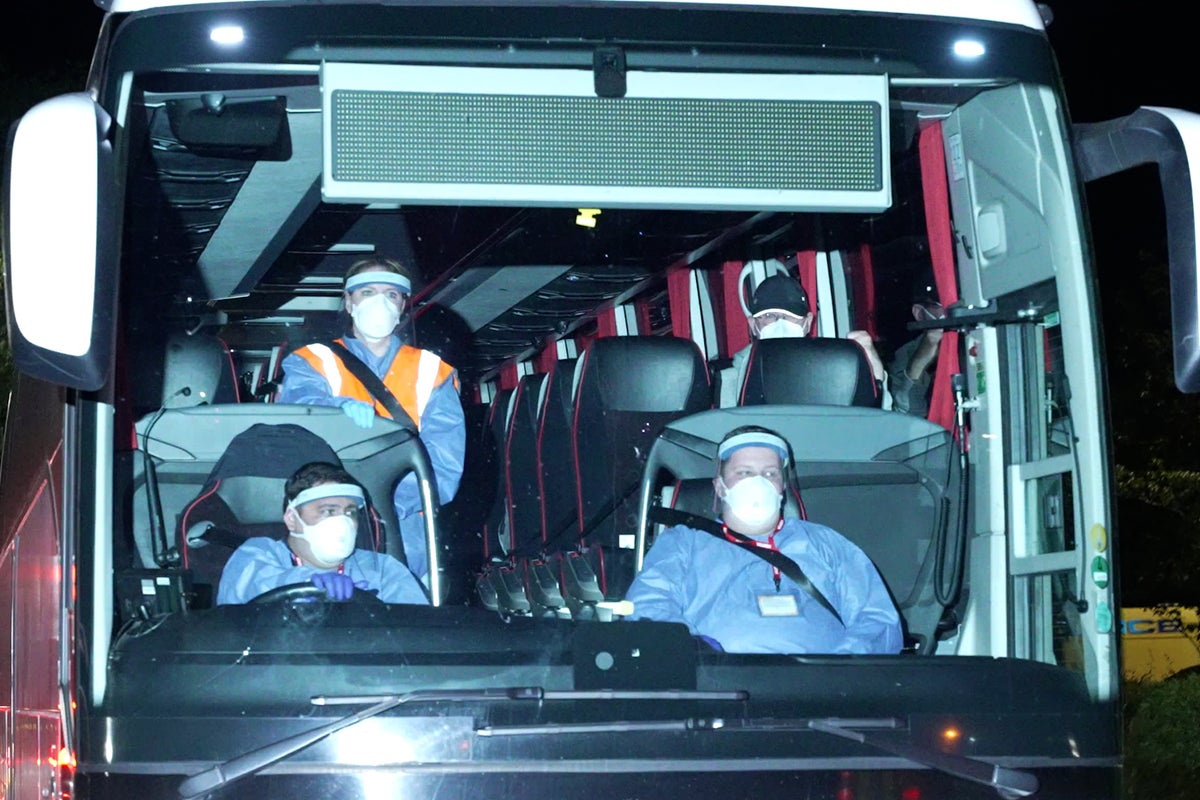
A cluster of Hantavirus infections involving French and American travelers has triggered a quiet but urgent scramble across international health agencies. While the arrival of evacuated passengers in the UK captured the initial headlines, the story isn't about a single flight or a handful of patients. It is about a shifting biological reality. We are seeing a pathogen that has long lived in the shadows of rural South America begin to intersect more frequently with global travel hubs.
Hantavirus Pulmonary Syndrome (HPS) is not a new player in the world of infectious diseases, but it remains one of the most lethal. With a mortality rate that can climb toward 40 percent, it makes the seasonal flu look like a mild inconvenience. The current concern stems from the specific strain involved in recent cases, likely the Andes virus, which carries a terrifying distinction: it is the only Hantavirus known to spread through human-to-human contact.
The Rodent Reservoir and the Mechanics of Infection
To understand the risk, you have to look at the ground. Hantaviruses are zoonotic, meaning they jump from animals to humans. Specifically, they belong to the Bunyaviridae family and are carried by various species of rodents. In the Americas, the primary culprit is often the deer mouse or the long-tailed pygmy rice rat.
These animals shed the virus in their saliva, urine, and feces. When these waste products dry out, the virus becomes aerosolized. A traveler hiking through a scenic trail in Patagonia or staying in a rustic, long-unoccupied cabin can inhale microscopic particles just by sweeping a floor or disturbing a nest.
Once inhaled, the virus targets the endothelium—the lining of the blood vessels. This is where the "why" of the high death rate becomes clear. The virus doesn't just cause a cough; it causes the capillaries in the lungs to leak fluid. This leads to pulmonary edema, essentially drowning the patient from the inside out as their lungs fill with fluid.
Why Travelers Are Falling Into the Gap
The cases involving French and American tourists highlight a massive failure in travel medicine literacy. Most travelers worry about malaria, yellow fever, or traveler's diarrhea. They pack DEET and water purification tablets but have no idea how to identify a rodent-infested environment.
The incubation period for Hantavirus is long—usually between one and eight weeks. This creates a dangerous "lag time." A tourist can spend a week trekking in a high-risk zone, fly home to London, Paris, or New York, and feel perfectly healthy. When the fever, muscle aches, and fatigue finally hit, they often assume it is a lingering case of jet lag or a standard viral bug.
By the time the signature respiratory distress begins, the window for effective intervention is closing. There is no vaccine. There is no specific antiviral treatment that has been proven to reliably stop the progression of HPS. Treatment is almost entirely supportive, often requiring mechanical ventilation in an ICU.
The Andes Virus Anomaly
The medical community is currently focused on whether these latest cases show evidence of human-to-human transmission. Most Hantaviruses, like the Sin Nombre virus found in the Southwestern United States, are "dead-end" infections in humans. You catch it from a mouse, and that is where the chain ends.
The Andes virus changed those rules. Outbreaks in Argentina have historically shown that close contacts—family members, healthcare workers, or partners—can contract the virus directly from an infected person. This shifts the calculation from a localized environmental risk to a potential public health emergency.
If the evacuated British passengers were exposed to a person actively shedding the Andes strain, the monitoring protocols must be airtight. We aren't just looking for mouse droppings in a cabin anymore; we are looking at the person in the seat next to you.
Flaws in the Global Surveillance System
The current strategy for managing Hantavirus is reactive rather than proactive. We wait for a tourist to get sick, trace their steps back to a specific province, and then issue a localized warning. This ignores the ecological drivers that are making these outbreaks more common.
Climate change and land use are the two heavy hitters here. Changes in rainfall patterns can lead to "mast years," where an explosion in seed production leads to a population boom in rodents. As humans push further into previously wild areas for eco-tourism or agriculture, the contact surface between humans and infected rodents expands.
Practical Mitigation for the Informed Traveler
If you are heading to an endemic area, the standard "wash your hands" advice is insufficient. You need a different toolkit.
- Environmental Assessment: If a cabin or rental smells of must or shows signs of rodent activity (droppings, chewed wood), do not enter.
- Safe Cleaning: If you must clean a space, never sweep or vacuum. This kicks the virus into the air. Use a bleach solution to soak surfaces and droppings before wiping them up with wet paper towels.
- Symptom Awareness: If you develop a high fever and severe muscle aches (especially in the thighs and back) within six weeks of visiting a rural area, you must tell your doctor specifically about the potential exposure.
The medical infrastructure in many high-risk regions is actually better equipped to recognize Hantavirus than the prestigious hospitals in Europe or the US. An Argentine doctor in a rural clinic will see a "flu-like illness" and immediately check for falling platelet counts and lung congestion. A doctor in London might waste three days testing for COVID-19 or common pneumonia while the patient's lungs are failing.
The Reality of the Risk
We need to stop viewing Hantavirus as a rare exotic curiosity. As global travel returns to—and exceeds—pre-pandemic levels, the movement of high-consequence pathogens is inevitable. The French and US cases are a warning shot.
The focus shouldn't just be on the passengers arriving at Heathrow, but on the systematic lack of education provided to people heading into these regions. Until we bridge the gap between ecological monitoring and clinical travel medicine, we will continue to see healthy people return from vacations only to fight for their lives in an ICU.
Demanding better data on rodent populations and forcing transparency from local governments about outbreak zones is the only way to move the needle. When the virus reaches the point of respiratory failure, the battle is already being lost. Prevention is not a suggestion; it is the only survival strategy.
Go to the high-risk zones if you must, but stop treating the wilderness as a sterile playground.
Check the corners for droppings. Smell the air. If it isn't clean, walk away.