A standard shoplifting report usually ends with a police caution or a quiet court date. In Hong Kong, a recent attempt to secure high-end Gundam figurines ended in a near-fatal plunge from a residential high-rise. This wasn't a calculated professional heist, but a frantic escape attempt that highlights the surging street value of collectible plastic and the extreme risks individuals are taking to secure it.
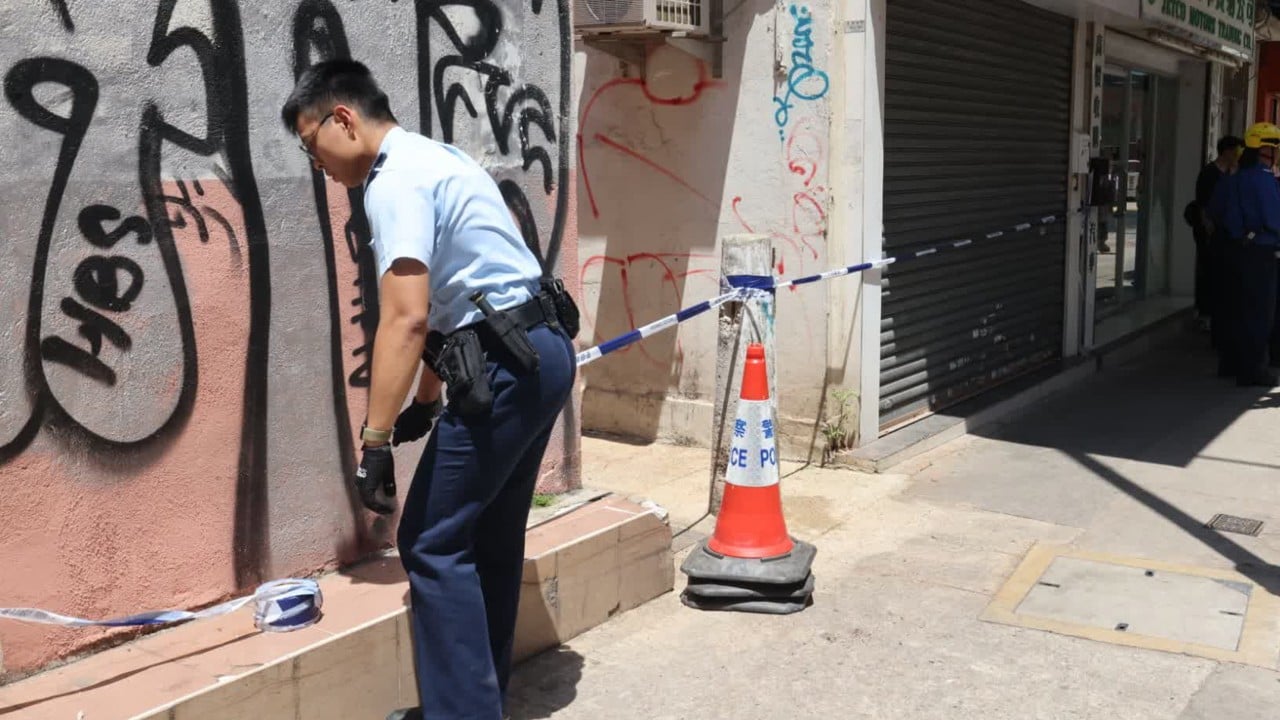
The incident occurred in the Sham Shui Po district, a neighborhood known as a haven for hobbyists and a graveyard for old electronics. A man, suspected of stealing several limited-edition model kits, was cornered by local authorities. Rather than surrendering, he scaled the exterior of a building, eventually losing his grip or jumping in a desperate bid for freedom. He survived, but the wreckage of his fall serves as a grim marker for the current state of the secondary market in collectibles. Also making waves recently: Ukraine and Israel Are Not Fighting the Same War and Neither Are You.
The Underground Economy of Japanese Plastic
To the uninitiated, a Gundam kit is a box of colored plastic runners. To the collector and the professional flipper, it is a liquid asset. Over the last few years, the market for "Gunpla" (Gundam plastic models) has shifted from a niche hobby into a volatile commodity market. Bandai, the manufacturer, has struggled to keep pace with global demand, leading to a scarcity that fuels a predatory resale environment.
When supply chains tightened, the price of "Perfect Grade" and "Master Grade" kits skyrocketed. These aren't toys found in the bargain bin of a grocery store. We are talking about intricate engineering marvels that can retail for hundreds of dollars and flip for double that on the secondary market within hours of a store's stock being depleted. In Hong Kong’s dense shopping hubs like Richmond Shopping Centre or Sino Centre, these kits are treated with the same security intensity as high-end jewelry. Further insights regarding the matter are detailed by TIME.
Why Shoplifting Became a High Stakes Gamble
The suspect in the Sham Shui Po case wasn't targeting a convenience store for cash. He was targeting inventory that is easily moved, untraceable, and highly coveted. Unlike a stolen iPhone, which can be remotely locked and turned into a paperweight, a rare Gundam kit remains valuable regardless of its origin.
Professional shoplifting rings have long operated in Hong Kong, but the sheer recklessness displayed in this instance suggests a different kind of desperation. Jumping from a building over a plastic model implies a total breakdown of risk assessment. It points to a trend where the perceived value of these items has eclipsed the reality of the legal—and physical—consequences of stealing them.
Retailers in Mong Kok and Sham Shui Po have reported an uptick in "grab and run" tactics. Shop owners, many of whom run small, independent stalls, are forced to implement aggressive surveillance. Some have even stopped displaying the actual boxes on shelves, replacing them with printed cards to prevent theft.
The Psychology of the Collector Flips
There is a fine line between the obsessive collector and the desperate reseller. The "hustle culture" that has permeated the hobby world encourages people to see every retail shelf as an opportunity for a quick profit. When a person views a box of plastic not as a project to be built, but as a rent payment or a debt solution, the moral and physical barriers to theft begin to erode.
The adrenaline of the "find" is often followed by the anxiety of the "flip." In this case, that anxiety manifested as a literal leap into the void.
The Neighborhood Context of Sham Shui Po
You cannot understand this crime without understanding the geography. Sham Shui Po is the poorest district in Hong Kong. It is a place of incredible contrast, where luxury hobby shops sit adjacent to subdivided "coffin homes." The sight of a man falling from a building with stolen toys in his wake is a jarring visual representation of the inequality that defines the city.
For the youth in these neighborhoods, the barrier to entry for luxury hobbies is high. When a single model kit costs more than a week's worth of groceries, the temptation to bypass the register becomes a logical, if dangerous, progression. The police presence in the area has increased, but law enforcement is essentially playing whack-a-mole with a market driven by global demand.
Market Volatility and Safety Risks
Bandai has attempted to curb the resale market by increasing production and opening larger flagship stores, but the "Limited Edition" sticker remains a powerful lure. As long as there is a discrepancy between retail price and market value, these items will remain targets.
The physical layout of Hong Kong’s shopping districts contributes to the danger. Narrow stairwells, crowded alleys, and vertical retail spaces make for treacherous foot chases. The suspect’s decision to go over the edge of a building was a choice made in a split second, but the conditions for that choice were set by months of escalating prices and the normalization of the "resale grind."
The Burden on Small Business Owners
While the thief is the one who took the fall, the small business owners are the ones living in a state of constant vigilance. Most hobby shops in Hong Kong are passion projects. They operate on thin margins. A single stolen high-end kit can wipe out the profits for an entire week.
- Increased spending on CCTV and security gates.
- The psychological toll of treating every customer as a potential threat.
- The physical danger of confronting suspects in cramped environments.
These owners are caught between wanting to welcome the community and needing to defend their livelihood from an increasingly brazen class of thieves.
The Future of Hobby Security
We are likely to see a shift in how these items are sold. The "open shelf" policy is dying in high-density urban areas. We can expect more "behind the glass" retail models, similar to how pharmacies handle restricted medications. It’s a depressing evolution for a hobby that is supposed to be about creativity and community.
The man who jumped from the building is currently a statistic in a police report, but his actions are a warning. When the value of a hobby exceeds the value placed on human life or liberty, the culture surrounding that hobby is in a state of crisis. The plastic isn't just plastic anymore; it’s a flashpoint for a much larger social and economic tension.
Retailers must now decide if the cost of protecting their inventory is worth the risk of a tragedy occurring on their doorstep. The secondary market shows no signs of cooling down, and as long as the prices remain astronomical, the desperation will continue to climb. Check your local listings, but know that the "deal" you find online might have come at a price far higher than the shipping fee. Stop looking for the quick flip and start looking at the reality of the shelves.