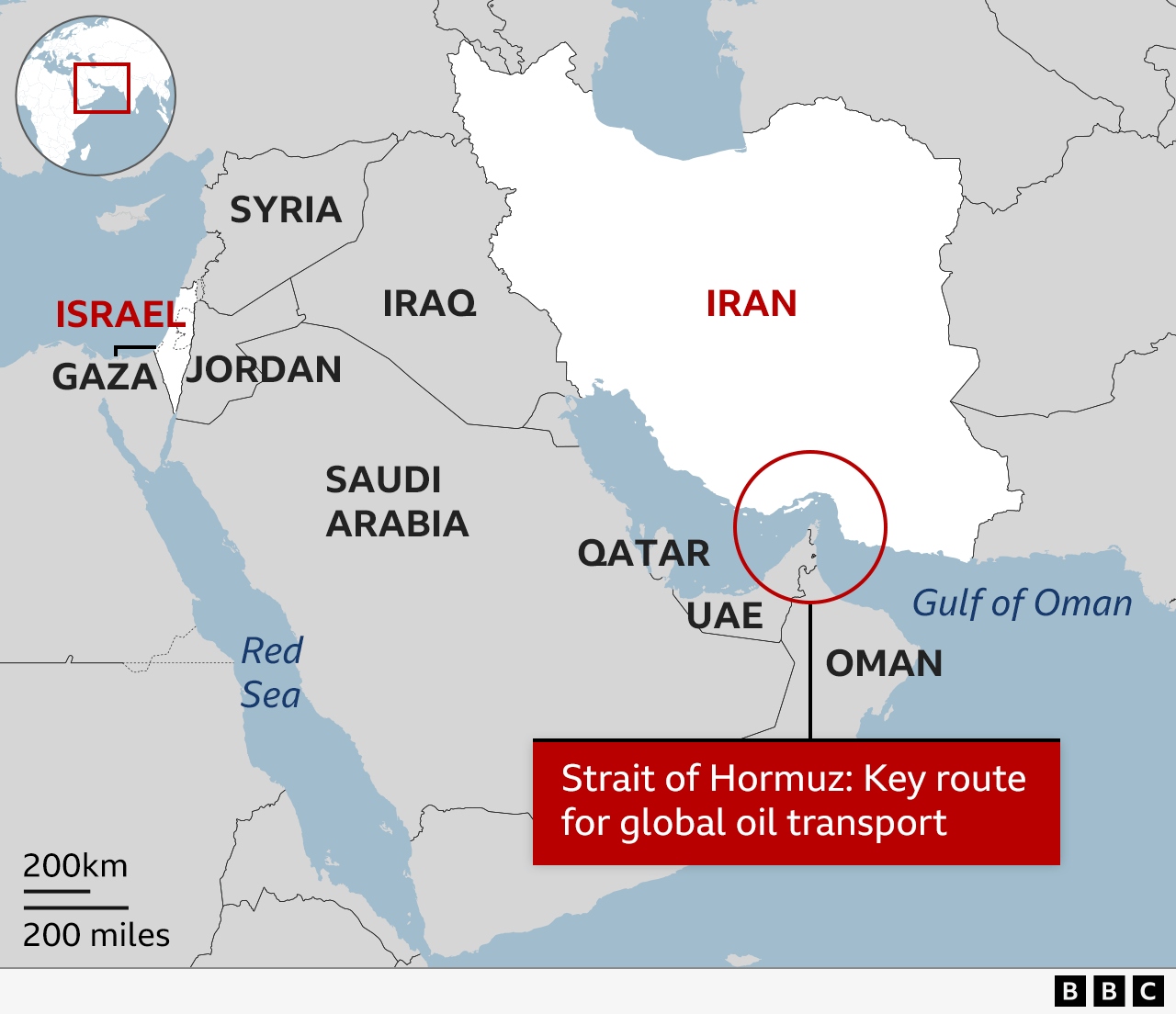
New Delhi is panicking. The headlines are screaming about "deep concerns" over drone strikes and maritime safety. Diplomacy is in overdrive. But here is the hard truth that the armchair strategists at the Ministry of External Affairs won't tell you: India is screaming into a void, and its current naval posture is a vanity project that the economy cannot afford to sustain.
The "deep concern" expressed over recent attacks on Indian-linked vessels in the Strait of Hormuz is a performance. It is a geopolitical theater designed to make a regional power look like a global one. If you think a few diplomatic cables and an extra destroyer in the Arabian Sea will stabilize the most volatile chokepoint on the planet, you are not paying attention to the math. You might also find this similar article useful: Inside the White House Ballroom Legal Quagmire.
The Myth of Maritime Sovereignty
The competitor rags want you to believe this is a localized security issue that can be solved with "increased vigilance." This is a fundamental misunderstanding of how global energy logistics work. The Strait of Hormuz is not a highway; it is a bottleneck controlled by players who do not care about India's GDP growth or its "strategic autonomy."
When a drone hits a tanker, it isn't just an attack on a ship. It is a stress test for the entire global insurance market. India’s reaction—flagging concerns and sending ships—is a reactive, low-IQ play. We are treating a systemic failure of global deterrence as a series of isolated incidents. As discussed in latest reports by Reuters, the effects are widespread.
I have spent decades watching the energy sector react to Middle Eastern instability. The pattern is always the same. A flare-up happens, the Indian government issues a stern statement, and the public feels a surge of nationalistic pride because we "stood firm." Meanwhile, the shipping rates for crude skyrocket, and the Indian taxpayer foots the bill for a naval presence that provides the illusion of safety without the actual capacity to stop a determined asymmetrical threat.
Stop Obsessing Over the Strait
Let's dismantle the consensus. The experts say we must protect the Strait of Hormuz because 30% of global seaborne oil passes through it. They argue that India, as a massive importer, must be the vanguard of security there.
They are wrong.
India’s obsession with securing the Strait is a strategic trap. By positioning ourselves as a primary stakeholder in the physical security of these waters, we are essentially subsidizing the security of our competitors. Why is India burning millions in naval fuel and wear-and-tear to patrol waters that benefit every energy-hungry nation in Asia?
The contrarian move isn't to send more ships. It’s to admit that we cannot control the Strait and to pivot aggressively toward energy decoupling. Every rupee spent on a Frigate in the Gulf is a rupee not spent on strategic petroleum reserves (SPR) on our own soil or domestic nuclear acceleration. We are trying to buy security in someone else's backyard when we haven't even locked our own front door.
The Asymmetry Problem
Traditional naval doctrine is dead. It died the moment a $2,000 off-the-shelf drone could disable a multi-billion dollar tanker or force a $500 million destroyer to fire a $2 million interceptor.
The Indian Navy’s "Project 15B" destroyers are magnificent pieces of engineering, but using them to play bodyguard for merchant vessels in the Strait is like using a scalpel to stop a swarm of bees. It is a losing trade.
- The Cost of Defense: $2,000,000 per missile.
- The Cost of Attack: $5,000 per suicide drone.
- The Result: Economic exhaustion.
If we continue to follow the "common sense" approach of increasing patrols, we will bankrupt our naval readiness within a decade. The status quo is a slow-motion car crash. We are playing a 20th-century game against 21st-century insurgents and state-sponsored proxies who understand the math of attrition better than our admirals do.
The Illusion of Global Respect
There is a subtext in the mainstream reporting that India’s "concerns" carry weight because we are a rising power. This is vanity.
In the corridors of power in Tehran, Riyadh, or Washington, "deep concern" is translated as "we are worried but powerless." If India wants to be a player, it needs to stop reacting and start leveraging.
Instead of complaining about the attacks, India should be the first to price in the risk. We should be leading the charge in creating a non-Western maritime insurance consortium. We should be dictating terms to energy suppliers, demanding "security discounts" for the risk our vessels take. Instead, we play the victim, hoping the "international community"—a polite term for a declining US hegemony—will fix it for us.
Imagine a Scenario Where We Walk Away
Imagine if India stopped the theater. No more "deep concerns." No more patrolling the Strait.
What happens? The risk premium spikes. The global market panics. And suddenly, the burden of securing those waters falls squarely on the shoulders of the people actually causing the instability and the nations that have the most to lose—China and the Gulf States themselves.
By stepping in to "help," we are relieving the pressure on the actors who should be solving the problem. We are the "nice guy" of the Indian Ocean, and in geopolitics, the nice guy gets the bill while everyone else eats the meal.
The Strategy of Brutal Realism
If you want to actually protect Indian interests, you don't do it by waving a flag in the Strait of Hormuz. You do it through three uncomfortable shifts:
- Weaponized Indifference: Stop issuing statements. If an Indian-flagged ship is hit, you don't talk to the press; you talk to the port authorities of the offending influence zone and you cut off their access to your market. India’s massive consumption is its only real weapon. Use it.
- The Insurance Coup: The current maritime insurance system is dominated by the West (Lloyd's, etc.). When the Strait gets hot, they jack up the premiums, and Indian companies bleed. We need an autonomous, BRICS-aligned insurance framework that reflects our risk appetite, not London’s.
- Aggressive Near-Shoring: The "Hormuz Problem" only exists because we are addicted to Gulf oil. The "lazy consensus" says we need to secure the supply line. The truth is we need to destroy the supply line. Every solar farm, every thorium reactor, and every deal for Russian oil via Vladivostok (bypassing the Strait) is a direct hit against the relevance of the Strait of Hormuz.
Why the Critics are Wrong
The hawks will say that "retreating" from the Strait will embolden pirates and terrorists. They will say India will lose its status as a "Net Security Provider."
Let’s be clear: You aren't a security provider if you can't stop the attacks. You are a target. The "status" we are chasing is an expensive ego trip. I have seen the budget sheets. We are spending more on the optics of being a naval power than we are on the utility of being one.
True power isn't about being everywhere; it's about being indispensable where it matters. The Strait of Hormuz is a graveyard of empires and a playground for proxies. India needs to stop acting like a junior partner in a failed global police force and start acting like a cold-blooded economic entity.
Stop Asking the Wrong Questions
People ask: "How can India make the Strait safer?"
The real question is: "How can India make the Strait irrelevant?"
The moment we stop caring about the Strait of Hormuz is the moment we win. As long as we are "deeply concerned," we are controlled. We are reacting to the whims of Houthi rebels and Iranian IRGC commanders.
The disruption required here isn't a better radar system or a faster patrol boat. It is a psychological break from the idea that India is responsible for the world's chokepoints. We are not the world's janitor. If the Strait is a mess, let the people who live on its shores clean it up—or let them starve when no one comes to buy their oil.
Stop sending our sailors to guard a corridor of chaos. Bring them home, fortify our own coastlines, and let the rest of the world figure out how to keep the lights on. That is how a real power behaves. It doesn't flag concerns. It dictates reality.
The Strait of Hormuz is a 20th-century problem. It’s time India started living in the 21st.