The United Nations Security Council is stuck in 1945. It’s a frozen snapshot of a world that doesn't exist anymore. While the rest of the planet moved on, the halls of the UN in New York stayed trapped in a post-WWII power dynamic. India is calling it out. This isn't just about getting a seat at the table; it’s about making sure that seat actually means something. India’s position is clear. Permanent membership in an expanded Security Council without the veto power is a hollow victory. If you want real reform, you need to change who holds the power to stop global action.
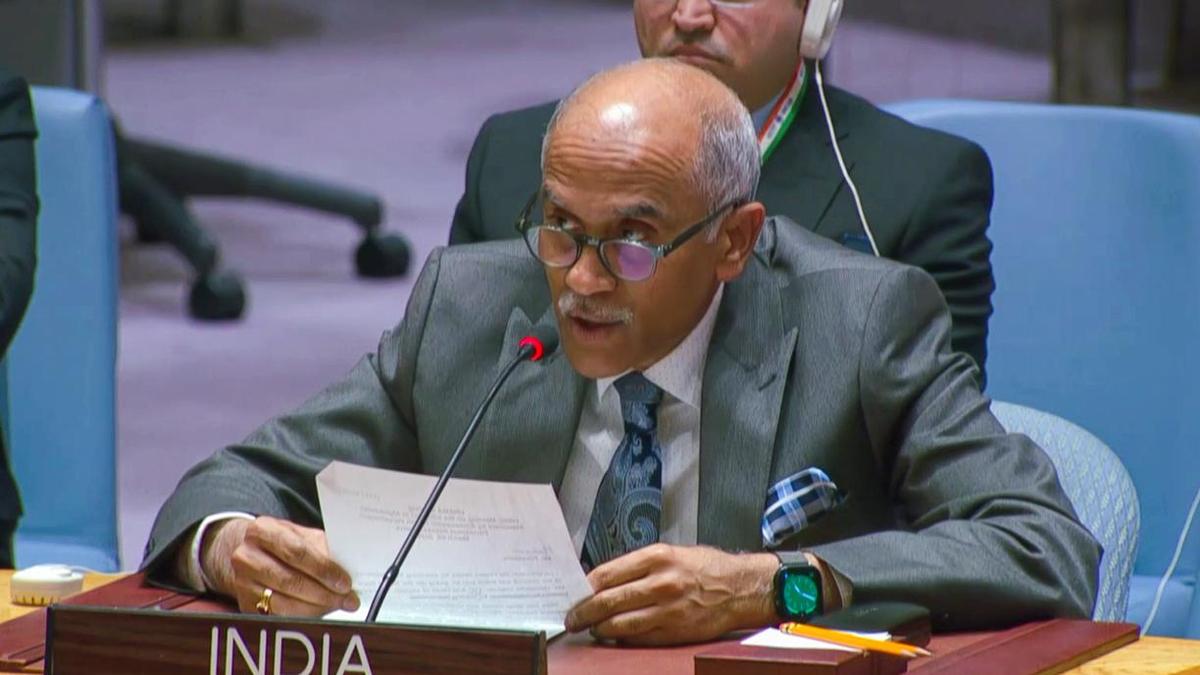
Most people don't realize how lopsided the current setup is. Five countries—the US, UK, France, China, and Russia—hold all the cards. They can block any resolution they don't like, even if the other 188 member states agree. It’s an undemocratic relic. India’s Permanent Representative to the UN recently hammered this point home during the Intergovernmental Negotiations on Security Council Reform. The message? Expansion is useless if it just creates two tiers of permanent members. You either fix the system or watch it become totally irrelevant.
The Flaw in the Current Security Council Setup
The Security Council was built to keep the peace, but lately, it mostly keeps the status quo. The "P5" (Permanent Five) members have used their veto power to protect their own interests or those of their allies. This has led to total paralysis in places like Ukraine, Gaza, and Sudan. When one of the big five is involved in a conflict, the Council effectively shuts down.
India argues that the current structure fails to represent the Global South. Africa, Latin America, and huge parts of Asia have no permanent voice. It’s like trying to run a global company while ignoring 80% of your employees. India isn't just asking for a favor. It’s pointing out that a Council that ignores the world's most populous nation and fifth-largest economy is simply broken.
Why a Permanent Seat Without a Veto Is a Trap
Some negotiators have suggested a "middle ground." They propose adding new permanent members but denying them the veto power for a certain period. India sees right through that. A permanent seat without a veto creates a second-class membership. It keeps the original five in a position of permanent superiority.
If India joins without a veto, it stays a spectator with a better view. It can talk, but it can't act. True reform requires "equity," a word Indian diplomats use frequently. Equity doesn't mean "thanks for coming." It means having the same legal rights and responsibilities as the founders. Without the veto, the Security Council expansion is just a cosmetic change to a decaying building.
India’s Case for Leadership in 2026
India’s bid isn't based on vanity. It’s based on math and boots on the ground. For decades, India has been one of the largest contributors to UN peacekeeping missions. Thousands of Indian soldiers have served in some of the most dangerous places on earth under the blue flag.
- Population Power: You can't claim to represent "the people of the world" while excluding 1.4 billion of them from permanent decision-making.
- Economic Weight: India is the fastest-growing major economy. Global trade and maritime security depend heavily on Indian cooperation.
- Democratic Credibility: As the world's largest democracy, India brings a level of legitimacy that several current P5 members arguably lack.
The argument that adding more veto-wielding members will lead to more gridlock is a common pushback. But India argues the opposite. The current gridlock exists because the power is too concentrated. Broadening the base of power forces more negotiation and less unilateral blocking. It forces the world to actually deal with the realities of the 21st century.
The Push for the African Union and Global South
India isn't just shouting for itself. It’s positioned itself as the leader of the Global South. During its G20 presidency, India successfully pushed for the African Union to become a permanent member of that group. Now, it’s taking that same energy to the UN.
Africa has zero permanent members on the Security Council. Think about that. An entire continent with over 50 countries and 1.4 billion people has no permanent say in global security. It’s absurd. India’s stance is that any reform must include permanent seats for Africa. This isn't just about being "nice." It’s about the fact that most UN Security Council business actually involves African conflicts. Having those conflicts managed by a group of countries from the northern hemisphere is a leftover of colonialism.
The Resistance From the P5
Don't expect the current permanent members to just hand over the keys. While some, like France and the UK, have voiced support for India’s bid, others are much more hesitant. China, in particular, has been a major roadblock. They often use "consensus" as a way to delay any real change.
The US has supported India's permanent membership but remains vague on the veto issue. They like the idea of India as a counterweight in Asia, but they aren't keen on sharing the ultimate power of the veto. This is where the diplomatic chess match gets intense. India knows that if it accepts a seat without a veto now, it might never get one.
What Happens if the UN Fails to Reform
The stakes are high. If the UN Security Council doesn't change, countries will just start going around it. We’re already seeing this. Groups like the G20, the Quad, and BRICS are becoming more important because the UN is too slow and too biased.
If the Security Council becomes a mere debating club, it loses its ability to prevent major wars. History shows that when international bodies stop reflecting the real balance of power, they collapse. Look at the League of Nations. It failed because it couldn't adapt to the realities of the 1930s. The UN is heading down that same path if it refuses to let the world in.
Moving Beyond the 1945 Mindset
To fix the UN, we have to stop treating the 1945 charter like it's a religious text that can't be edited. It was a contract written by the winners of a war that ended 80 years ago. The world is multipolar now. Technology, climate change, and global health aren't things that one or two countries can manage alone.
India’s demand for the veto is a demand for accountability. It’s a demand that the world’s most important security body starts looking like the world it’s supposed to protect. Real reform isn't a "nice to have." It's a survival requirement for the institution.
If you're following this, don't just look at the headlines about seat counts. Look at the fine print regarding the veto. That's where the real fight is happening. You can help by staying informed on the Intergovernmental Negotiations and supporting domestic policies that favor multilateralism. The next time a global crisis hits and the UN seems silent, remember why. It’s because the system was designed to keep power in a few hands, and those hands are often tied. Support the push for a democratic UN that reflects the reality of 2026, not 1945. Demand that your representatives prioritize UN reform as a core part of their foreign policy. It's time to bring the Security Council into the present day.