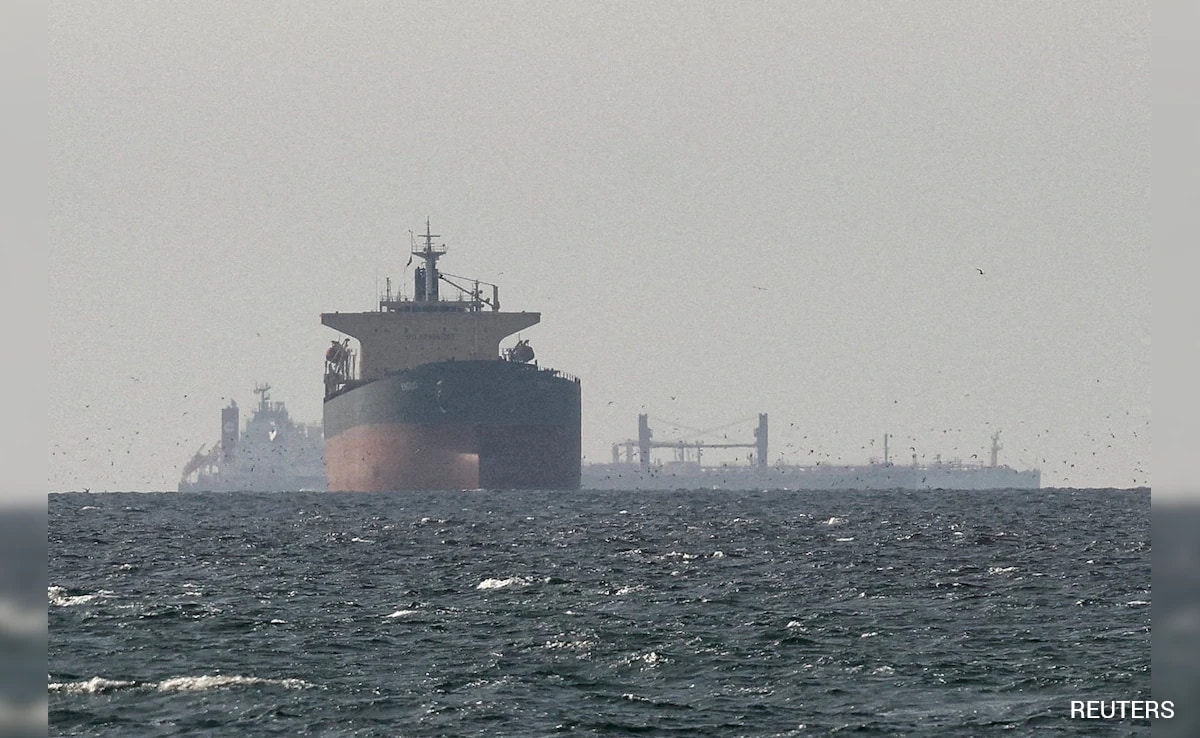
Hundreds of merchant sailors are currently trapped in a geopolitical vice near the Strait of Hormuz, forgotten by a global supply chain that views them as little more than line items. While the world tracks the price of crude oil and the fluctuation of insurance premiums, the men aboard these seized or stalled vessels are enduring a psychological siege that has stretched past the breaking point. This is not a temporary logistical delay. It is a humanitarian crisis fueled by "shadow wars" where civilian mariners serve as the only available currency for state actors.
The shipping industry calls it "abandonment" or "detention," but for the crews on the water, those words are far too clinical. When a ship is seized by a regional power or caught in a legal limbo between a bankrupt owner and a hostile port, the power goes out. The air conditioning fails. Fresh water becomes a luxury.
The Mechanics of State Sponsored Piracy
In traditional piracy, the goal is a quick ransom. You take the ship, you negotiate with the insurance company, and you move on. The current situation in the Persian Gulf and the Gulf of Oman operates under a much darker set of rules. Here, ships are not just stolen for money; they are held as diplomatic leverage.
When a government seizes a tanker, the crew becomes a collection of high-stakes pawns. These men, often from the Philippines, India, or Eastern Europe, have no connection to the political disputes between the flag state of the ship and the coastal authority. Yet, they find themselves sitting at anchor for months, or even years, while diplomats in suits thousands of miles away argue over sanctions and frozen assets.
The legal framework designed to protect these workers is effectively useless in the face of national security claims. The Maritime Labour Convention (MLC) dictates that shipowners must provide for their crews, but when a ship is under the control of a military force, the "owner" often vanishes or claims force majeure. This leaves the sailors in a jurisdictional black hole. They cannot go ashore because they lack visas. They cannot leave the ship because they are technically under arrest. They are prisoners who have committed no crime.
The Cost of Staying Afloat
Living on a dead ship is a specific kind of hell. Imagine a steel box baking in 110-degree heat. Without fuel to run the generators, the ventilation systems die. The interior of the vessel becomes an oven.
Supply runs are infrequent and often used as a psychological tool. Authorities might allow a barge of fresh fruit and water one week, then cut off all communication the next. This creates a cycle of hope and despair that wears down even the most seasoned mariners. We have seen reports of crews forced to fish over the side of the hull just to supplement dwindling rations of dry rice and expired canned goods.
This isn't just about physical survival. The mental toll is staggering. A seafarer's contract is built on the promise of a return date. When that date passes and is replaced by an indefinite "maybe," the mind begins to fracture. Satellite phones are often confiscated, meaning these men cannot tell their families if they are alive or when they are coming home.
The Abandonment Loophole
A major factor complicating these standoffs is the "Flag of Convenience" system. Many of the ships caught in these waters are registered in countries like Panama, Liberia, or the Marshall Islands. These nations provide the flag, but they rarely provide the protection.
When a crisis hits, these flag states often lack the diplomatic weight or the will to intervene against a regional superpower. The shipowners, hidden behind layers of shell companies, frequently decide that the vessel is a total loss. They stop paying wages. They stop sending supplies. They essentially walk away, leaving the crew to rot on a multi-million dollar asset that has become a floating jail cell.
The Industry of Silence
Why isn't this the lead story on every news cycle? Because the shipping industry thrives on invisibility. The global economy relies on the fact that 90% of goods move by sea, and it prefers that the "sea" remain a faceless, frictionless conveyor belt.
Admitting that hundreds of sailors are being held hostage would force a reckoning with how we protect maritime workers. It would drive up insurance rates. It would force companies to reroute, adding weeks to delivery times and billions to consumer costs. It is cheaper for the world to look away.
Even the companies that employ these sailors often urge families to stay quiet. They promise that "quiet diplomacy" is the only way to ensure a safe release. In reality, silence only benefits the captors and the negligent owners. It removes the public pressure that is often the only thing capable of moving a stalled diplomatic negotiation.
A Broken Safety Net
The International Maritime Organization (IMO) has tried to create databases to track abandoned vessels, but these lists are chronically under-reported. By the time a ship officially enters the "abandoned" category, the crew has usually been suffering for months.
There is also the issue of "seafarer criminalization." In many Hormuz-related seizures, the captain and senior officers are charged with vague environmental or navigational crimes. This provides a thin veneer of legality to what is essentially a kidnapping. Once a crew member is labeled a "suspect" in a local court, the path to repatriation becomes nearly impossible. International maritime law is built on the assumption that all parties are acting in good faith. That assumption is dead in the water near the Strait of Hormuz.
Navigating the Psychological Fallout
For those who eventually do get home, the ordeal doesn't end at the airport. Post-Traumatic Stress Disorder is rampant among crews who have been detained. They return to families that have been struggling financially because the breadwinner’s wages were withheld for a year.
The maritime industry is already facing a massive labor shortage. Young people are looking at the risks—not of storms or shipwrecks, but of being a geopolitical sacrificial lamb—and they are choosing to stay on land. If the "Hardest Situation Ever" becomes a recurring feature of the job, the entire system of global trade faces a collapse of personnel that no amount of automation can fix.
The solution requires more than just better contracts. It requires a fundamental shift in how we view the sovereignty of merchant vessels. If a ship is seized, the flag state must be held accountable for the immediate repatriation of the crew, regardless of the legal status of the hull. We need an international escrow fund, paid into by every shipping company, specifically earmarked for the emergency supply and extraction of crews in high-risk zones.
Relying on the "goodwill" of sanctioned nations or the "responsibility" of shell-company owners has proven to be a fatal mistake. The men currently sweating in the hulls of tankers near Hormuz don't need a statement of concern from the UN. They need a way off the ship. They need the world to acknowledge that their lives are not collateral for an oil price adjustment.
The next time you see a headline about a "tanker tension" in the Middle East, look past the cargo. Look at the bridge and the engine room. There are people in there who are being erased from the map in real-time. Until the maritime industry treats its human capital with the same urgency it treats its crude oil, the Strait of Hormuz will remain a graveyard for the basic rights of the seafarer.