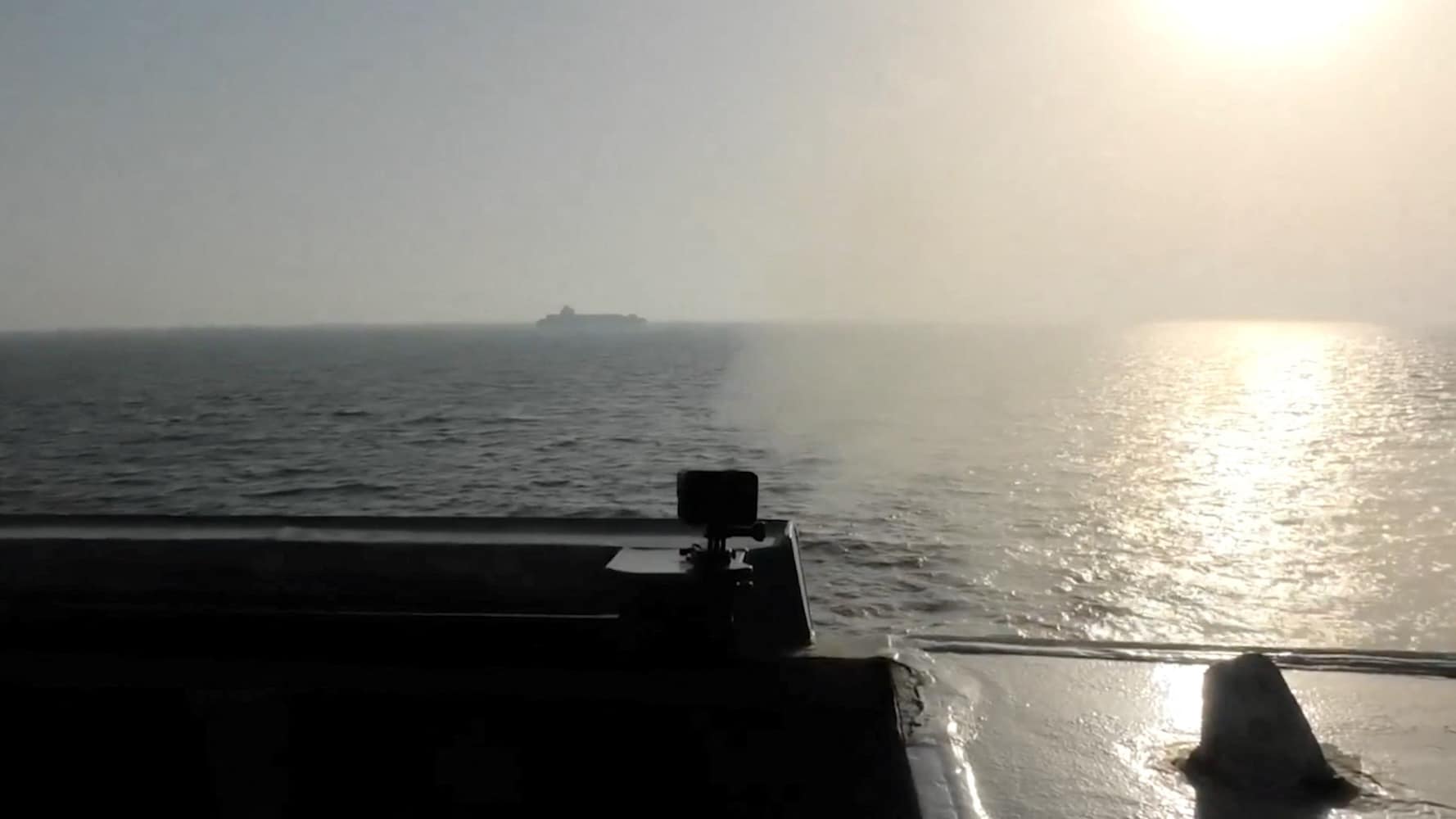
If you thought the ceasefire in the Middle East meant a return to smooth sailing, today’s events in the Strait of Hormuz just crushed that hope. On April 22, 2026, the Islamic Revolutionary Guard Corps (IRGC) Navy seized two major container ships and opened fire on a third, effectively turning the world’s most vital energy chokepoint into a shooting gallery.
This isn't just a random act of piracy. It’s a calculated middle finger to the latest diplomatic moves coming out of Washington and Pakistan. While the politicians talk about "unified proposals" and extending pauses in the fighting, the guys on the water are busy boarding ships and firing rocket-propelled grenades.
The two vessels currently in Iranian custody are the MSC Francesca and the Epaminondas. If you’re tracking the global supply chain, these aren't small catches. They’re massive boxships that were trying to exit the Persian Gulf before things got even uglier.
The Breakdown of Today's Seizures
The IRGC didn't just stumble upon these ships. They targeted them. According to the United Kingdom Maritime Trade Operations (UKMTO), the trouble started early Wednesday when a manned IRGC gunboat approached the Epaminondas, a Liberia-flagged, Greek-operated container ship.
The crew reported that the gunboat opened fire without any radio contact. They weren't just warning shots, either. The bridge of the Epaminondas took heavy damage from gunfire and RPGs. Imagine being on that bridge. One minute you’re navigating a narrow strait, the next, the glass is shattering and metal is ripping. Fortunately, the crew survived, but the ship was stopped and eventually forced toward the Iranian coast.
Shortly after, the MSC Francesca, a Panama-flagged vessel, was intercepted. The IRGC claims both ships were "operating without authorization" and "manipulating navigation systems." That’s code for turning off AIS (Automatic Identification System) transponders to avoid detection—a common move for ships trying to sneak through a blockade.
Why the MSC Francesca Matters
The IRGC specifically highlighted the MSC Francesca as having links to the "Israeli regime." In the current climate of the U.S.-Israeli war against Iran that kicked off in February, any ship with even a tenuous connection to Israel is a primary target. Iran is using these seizures as leverage, plain and simple.
The Third Target and the Outbound Blockade
There was a third ship, the Euphoria, which reportedly became "stranded" or stopped near the Iranian coast after being fired upon. While it hasn't been officially confirmed as seized in the same way as the others, it’s currently sitting in the water, guarded by Iranian assets.
What’s really happening here is a "battle of the blockades."
- The U.S. Blockade: The Trump administration has been choking off Iranian ports since April 13, trying to force a final peace deal.
- The Iranian Counter-Blockade: Iran is retaliating by making the Strait of Hormuz impassable for everyone else.
If you're a shipping company, you're stuck in the middle of a high-stakes game of chicken. Iran is basically saying: "If we can't export our oil, nobody is moving their cargo."
The Geopolitics Behind the Gunfire
The timing of these attacks is incredibly frustrating for those hoping for peace. Just yesterday, President Trump posted on Truth Social that the ceasefire would be extended indefinitely. He cited a "seriously fractured" Iranian government as a reason to keep the pressure on while waiting for a "unified proposal."
But the IRGC doesn't seem to care what the politicians in Tehran—or the mediators in Pakistan—are saying. Mohammad Bagher Ghalibaf, the speaker of the Iranian parliament, hit back today, calling the U.S. blockade "hostage-taking of the world's economy." He flatly stated that reopening the Strait is "impossible" while the U.S. keeps its thumb on Iran's throat.
It’s a classic disconnect. One side sees a path to a deal; the other sees a fight for survival. Honestly, it looks like the IRGC is trying to sabotage the diplomatic efforts being spearheaded by Pakistani Prime Minister Shehbaz Sharif.
What This Means for You at the Pump
You don't have to be a maritime expert to feel the impact of this. About 20% of the world's oil and LNG passes through this one narrow stretch of water.
- Price Spikes: Energy prices have already been climbing, and every time a gunboat fires an RPG, the markets freak out.
- Insurance Costs: Marine insurance for the Persian Gulf is now through the roof. Some companies won't even cover transits anymore.
- Supply Chains: With ships like the MSC Francesca (which can carry over 11,000 containers) being diverted, expect delays on everything from electronics to car parts.
Common Misconceptions About the Conflict
A lot of people think Iran's navy was completely wiped out in the initial U.S. strikes back in March. Trump even claimed their "entire Navy is at the bottom of the sea."
That’s a dangerous oversimplification. While the larger Iranian frigates and destroyers took a beating, the IRGC specializes in asymmetric warfare. They use hundreds of small, fast, highly maneuverable gunboats. These are hard to hit with traditional missiles and are perfect for swarming a slow-moving container ship in the dark. They aren't looking to win a naval battle; they’re looking to cause enough chaos to make the cost of the blockade too high for the West to bear.
What to Watch for Next
If you're looking for the "next move," don't expect a sudden peace treaty. The situation is likely to get more volatile before it settles.
- Watch the AIS Signals: Keep an eye on vessel tracking services. If more ships start "going dark" (turning off transponders), it means the risk of accidental (or intentional) engagement is rising.
- The Pakistani Mediation: See if the mediators can get both sides back to the table in Islamabad. If those talks fall through again, the "silent battlefield" in the Strait will get very loud.
- U.S. Escorts: There's growing pressure on the U.S. Navy to start escorting commercial vessels. If that happens, we're one misfire away from a direct clash between U.S. destroyers and IRGC gunboats.
Check the latest UKMTO bulletins if you're managing logistics in the region. The "red line" has been crossed, and the IRGC has made it clear that they're prepared to confront any vessel they deem a violator. It’s a mess, and there’s no easy way out as long as the dual blockades remain in place.
Stay alert. The Strait of Hormuz is officially a "no-go" zone for anyone who values their ship's bridge—and their crew's safety.