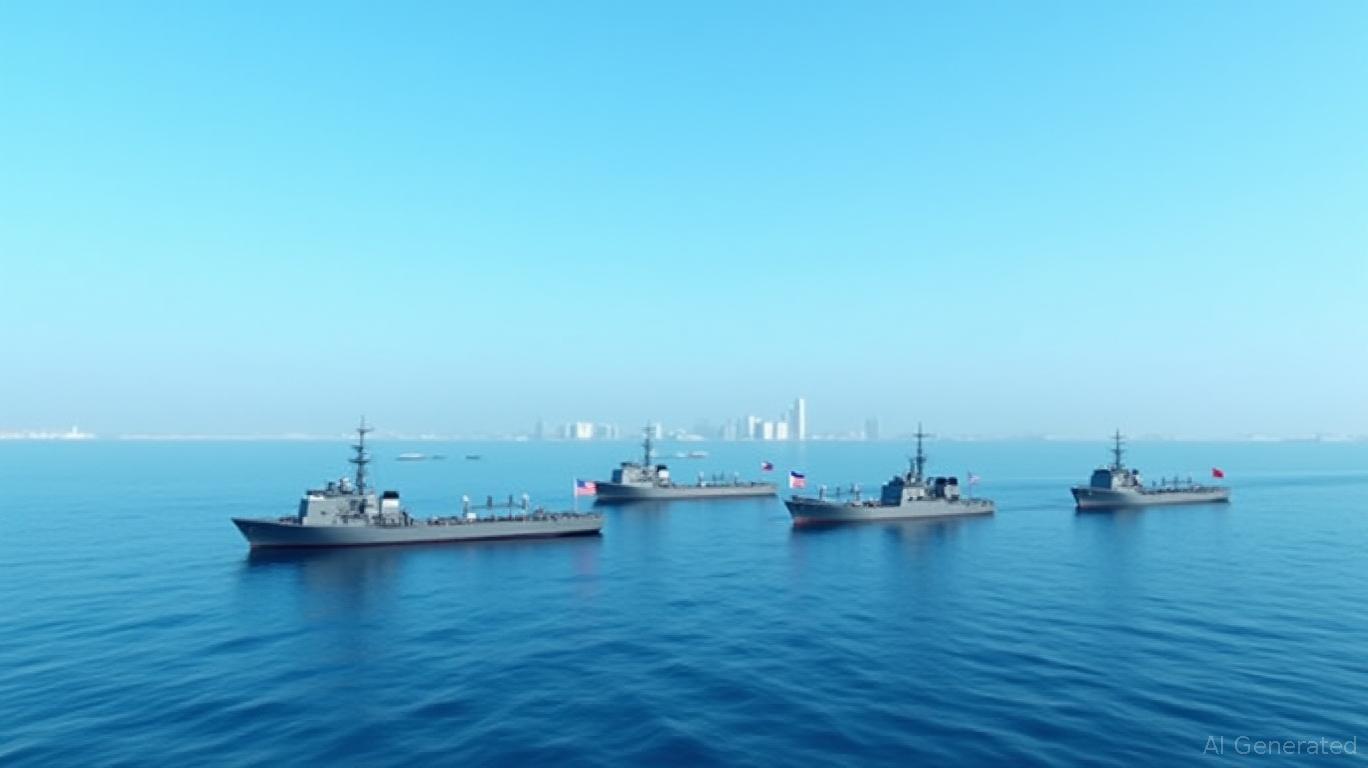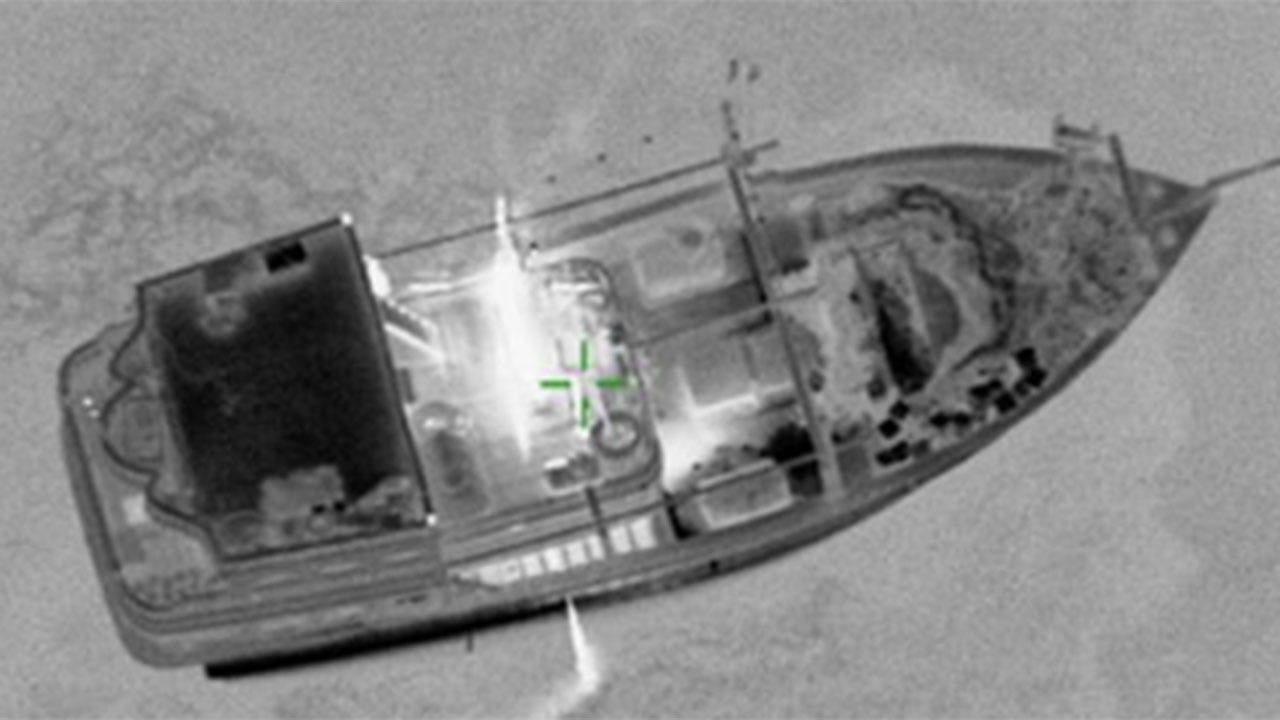
Tensions in the Middle East just hit a new fever pitch. When news broke that an Iranian vessel was intercepted, the immediate question wasn't just about where it was going, but what it was carrying. Sources now suggest the ship was hauling equipment classified as dual-use. If you're not familiar with that term, you should be. It refers to technology that can serve a civilian purpose—like manufacturing or telecommunications—but can easily be repurposed for military hardware or nuclear programs. It’s the ultimate gray area in international law.
This isn't just another routine maritime stop. It’s a high-stakes chess move. The U.S. and its allies have been tightening the noose on Iranian procurement networks for years, yet these shipments keep slipping through the cracks. Why? Because identifying a "dual-use" item is like trying to find a needle in a haystack of legitimate commerce. A high-precision CNC machine can make car parts, or it can carve out the casing for a missile. Carbon fiber can build a bicycle frame or a centrifuge. That ambiguity is exactly what Tehran relies on to bypass sanctions.
Tracking the Shadow Fleet and Tactical Deception
The Iranian merchant marine doesn't play by the rules. We’re seeing a sophisticated "shadow fleet" operation that involves turning off AIS (Automatic Identification System) transponders, swapping flags like they're trading cards, and performing ship-to-ship transfers in the middle of the night. This specific seizure highlights a massive failure in the Iranian logistics chain, but for every ship caught, how many more make it to port?
U.S. intelligence officials have been sounding the alarm on these networks for a long time. They don't just look for Iranian-flagged tankers. They look for shell companies based in Dubai, Turkey, or Southeast Asia that act as the middleman. By the time a piece of German-made industrial hardware reaches an Iranian port, it has likely been "sold" three or four times on paper. Each layer of bureaucracy makes it harder for customs officials to flag the cargo as a threat.
The cargo on this seized ship likely included electronic components or specialized alloys. These aren't weapons in the traditional sense. You won't find crates of rifles or crates of TNT. Instead, you find high-end sensors, circuit boards, or heavy-duty pumps. To a bored dockworker, it looks like industrial junk. To a weapons engineer in Isfahan, it's the final piece of a puzzle.
Why Washington is Obsessed With Dual Use Technology
If the U.S. allows these shipments to continue, the sanctions regime basically becomes a joke. The whole point of "maximum pressure" is to starve the Iranian military of the tech it needs to modernize. We’re talking about drone components that end up in the hands of regional proxies or guidance systems that make Iranian ballistic missiles more accurate.
The legal battle over "dual-use" is where things get messy. Iran often claims these items are for "medical research" or "oil refinery maintenance." Sometimes, they’re telling a half-truth. But the U.S. Treasury Department and the Department of Commerce have strict lists. If an item has the potential to contribute to a Weapons of Mass Destruction (WMD) program, it's blacklisted.
Look at the Shahed drones. When analysts cracked them open, they found parts from all over the world. Some chips were even American-made. They weren't sold directly to Iran, of course. They were bought by a legitimate tech firm in a third country and then diverted. This seized ship is a rare win because it intercepts the supply chain before the "conversion" happens.
The Ripple Effect on Global Shipping Routes
This seizure sends a message to every shipping company operating in the Persian Gulf and the Gulf of Oman. If you're carrying cargo for a questionable client, you’re now a target for inspection. Insurance premiums for these routes are already sky-high because of Houthi rebel attacks and previous tanker "tanker wars." This adds another layer of risk.
- Shipping lanes become more congested as inspections increase.
- Port authorities in the region face immense pressure to vet their manifests more thoroughly.
- Transshipment hubs like Jebel Ali are under the microscope.
It’s a logistical nightmare. But from a security standpoint, it’s necessary. If you don't stop the components, you can't stop the finished product.
The Future of Maritime Interdiction
The U.S. Navy and its partners in Task Force 153 are getting better at this. They’re using satellite imagery and AI-driven data analysis to spot "weird" behavior at sea. If a ship takes a jagged route or sits idle in a known smuggling zone, it gets a visit.
But let's be real. Interdiction at sea is a band-aid. The real work happens in the boardrooms of the companies that manufacture this tech. We need better "know your customer" (KYC) protocols in the industrial sector. A company selling high-grade vacuum pumps should know exactly who is using them. If the end-user is a "textile factory" in a country known for smuggling, that’s a red flag.
The Iranian ship seizure isn't a one-off event. It's part of a long-term strategy to degrade Iran's industrial-military complex. You can expect more of this. As the West tries to prevent a wider regional conflict, cutting off the supply of dual-use tech is the most effective non-kinetic weapon available.
Stay informed by tracking the updates from the U.S. Naval Institute (USNI) and the Office of Foreign Assets Control (OFAC). If you're involved in international logistics, double-check your "dual-use" lists. The days of "not knowing" what's in your container are over. It's time to tighten up your compliance or face the consequences of being caught in the crossfire of a geopolitical power struggle.