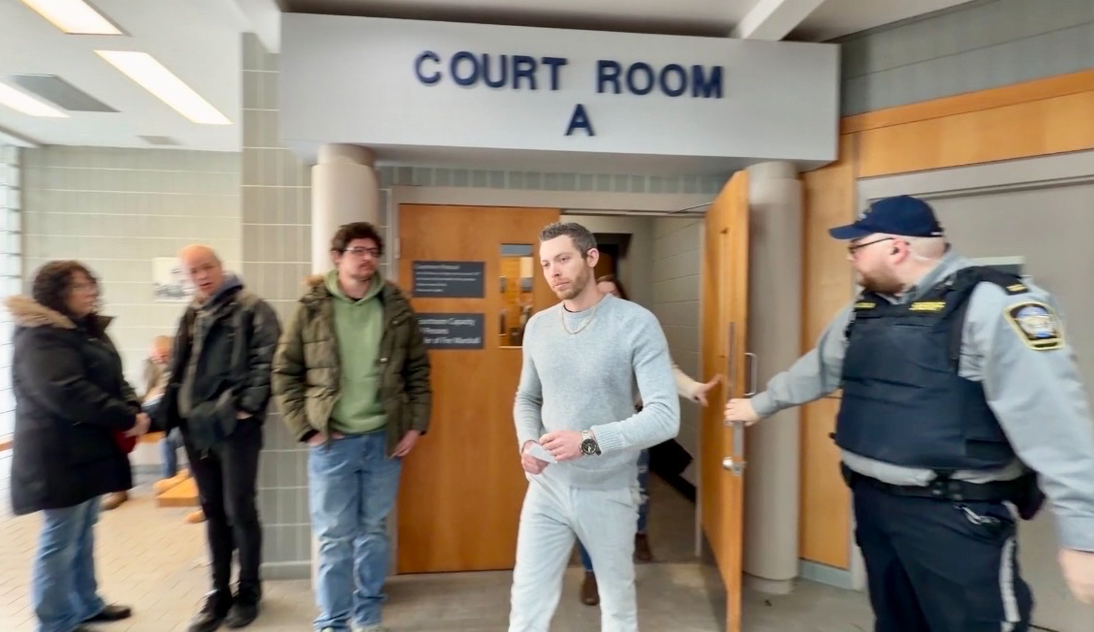
The media has a script for tragedy. They follow it because it sells papers and generates clicks. When the news broke that the stepfather of missing Nova Scotia children appeared in court on sexual assault charges, the industry reflexively pivoted to the easiest narrative available: moral outrage. It’s a predictable pattern of reporting that prioritizes emotional resonance over systemic scrutiny.
The public wants a villain. They want a face to point at while they demand justice. But looking at a courtroom through the lens of a "missing children" headline while discussing unrelated sexual assault charges is a fundamental failure of journalistic integrity. It blurs the lines between two distinct legal issues, poisoning the well of public perception before a single piece of evidence is weighed in its proper context.
The False Narrative Of Proximity
We are conditioned to believe that if a person is "bad" in one way, they must be responsible for every tragedy in their orbit. This is the lazy consensus. The reporting focuses on the proximity of the charges to the disappearance of the children, effectively convicting the individual in the court of public opinion for a crime he hasn't been charged with yet.
I’ve spent years watching the gears of the legal system grind. I've seen how a single sensationalized headline can dismantle the presumption of innocence, turning a fair trial into a foregone conclusion. When the media links these two stories, they aren't informing you; they are narrating a true-crime podcast in real-time.
- The Accusation Bias: The mere mention of sexual assault charges in the same breath as "missing children" creates an unbreakable mental link for the reader.
- The Procedural Mirage: Court appearances are often administrative and dry. The media dresses them up as high-stakes drama to keep you scrolling.
- The Investigative Blind Spot: By focusing entirely on the stepfather’s character, the press ignores the potential failures of the agencies meant to protect these children in the first place.
Why Your Outrage Is Actually Hurting The Case
The mob demands immediate answers. They want the "monster" behind bars. However, the frenzy created by these reports actually risks the legal outcome everyone claims to want.
Imagine a scenario where a jury pool is so thoroughly saturated with biased reporting that a defense attorney can successfully argue for a change of venue or, worse, a stay of proceedings. By turning every court appearance into a spectacle, the media provides the very tools necessary for a defense to claim a fair trial is impossible.
The focus shouldn't be on the shock value of the charges. It should be on the timeline. It should be on the cold, hard facts of the disappearance. Instead, we get "he appeared in court," a phrase that carries no investigative weight but provides maximum emotional impact.
The Institutional Failure Behind The Curtain
Let’s talk about what the headlines aren't saying. These stories usually break when a system has already failed. If children go missing while in a household where these types of allegations later surface, the story isn't just about one man. It’s about the social workers, the school boards, and the police departments who missed the signals long before the cameras showed up at the courthouse.
We settle for the "evil individual" trope because it’s easier than admitting our institutions are porous. We would rather hunt a witch than fix the forest.
- Prioritize the Missing: The disappearance of children is a separate, urgent crisis.
- Separate the Charges: Sexual assault allegations are grave and deserve their own day in court without being used as "flavor text" for a disappearance story.
- Demand Data, Not Drama: Ask how many check-ins were performed. Ask about the history of the household with Child Protective Services.
The "missing Nova Scotia children" isn't a headline; it's a failure of a community. Turning it into a courtroom drama about a stepfather's other alleged crimes is a distraction.
The Myth Of The "Courtroom Reveal"
People follow these updates expecting a "smoking gun" to emerge from a routine bail hearing or a preliminary appearance. It doesn’t happen. The legal system is slow, boring, and intentionally meticulous. The media’s attempt to inject "breaking news" energy into a procedural hearing is a lie sold to people who don't understand how the law works.
You are being fed a diet of crumbs and told it’s a feast.
If you want to actually understand this case, stop reading the play-by-play of who looked at whom in the courtroom. Start asking why the search for the children isn't the lead story every single day, independent of whatever charges are being leveled against the adults in the house.
Stop participating in the theatre. Justice isn't found in a comment section or a sensationalized lead. It’s found in the quiet, rigorous application of the law—something the current media landscape seems allergic to providing.
The children are still missing. Everything else is just noise designed to make you feel like you're participating in a search that ended the moment the cameras moved to the courthouse steps.
Focus on the children. Ignore the noise. Demand the records that the authorities are hiding behind the "ongoing investigation" shield.
Go look for the kids.