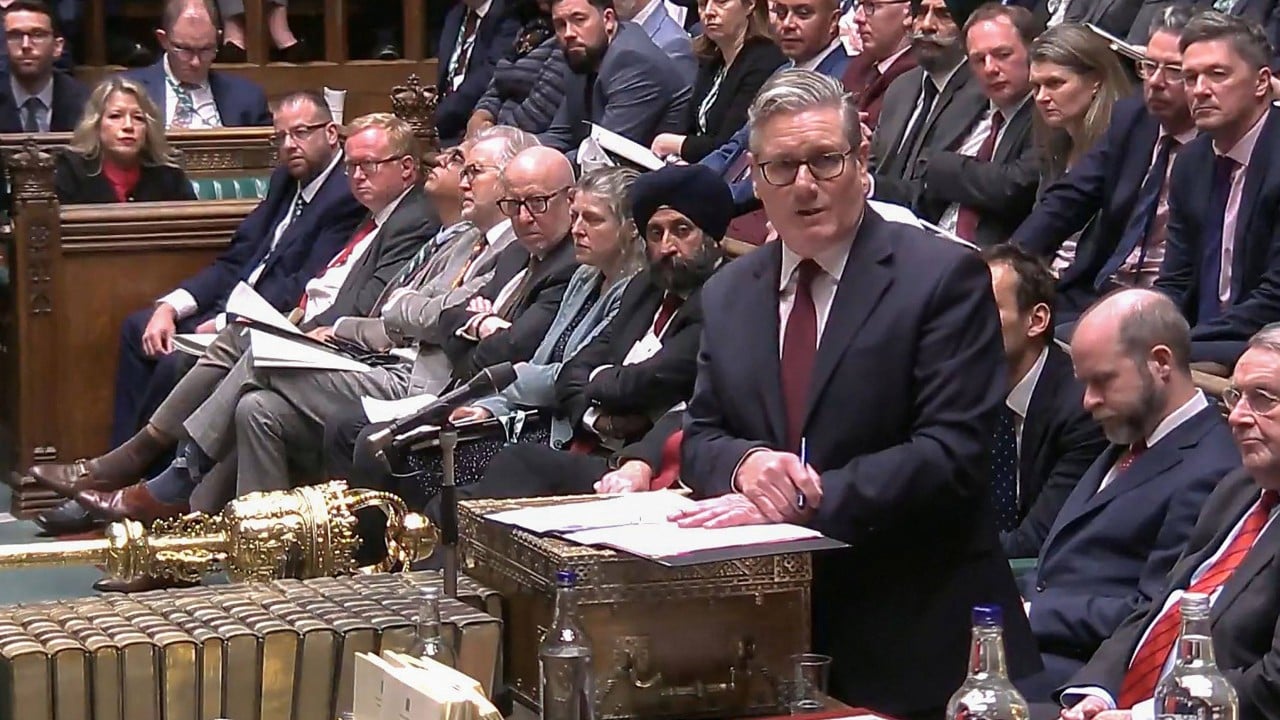
Keir Starmer built his entire political identity on being the "adult in the room." After years of chaos, he promised a return to integrity and strict due process. That image didn't just crack this week—it shattered. The revelation that Peter Mandelson was appointed as the UK’s ambassador to Washington despite failing a security vetting isn't just a bureaucratic blunder. It's a survival-level crisis for a Prime Minister who claims he was left in the dark by his own government.
Honestly, the timeline is staggering. We're talking about a man, Mandelson, whose ties to Jeffrey Epstein were well-documented and toxic long before he was handed the keys to Britain’s most important diplomatic mission. Starmer is now scrambling to explain how a "failed" security status was overruled or ignored. If he knew, he lied to Parliament. If he didn't know, he’s lost control of the state machinery. Neither option is particularly comforting for a leader whose job security is now hanging by a thread.
The security vetting failure that changed everything
For months, the narrative from Number 10 was that "due process" was followed. Starmer stood at the dispatch box and assured the public that the independent security services had given Mandelson the green light. We now know that's not true. According to leaked documents and recent admissions from within the Foreign Office, the vetting process actually recommended against the appointment.
The security officials weren't just being cautious; they were looking at the very same Epstein links that have now led to Mandelson’s arrest on suspicion of misconduct in public office. They saw a "reputational risk" that was blindingly obvious to everyone except, apparently, the person making the final call.
So, who hit the override button? Olly Robbins, the top civil servant at the Foreign Office, has already resigned, effectively acting as the fall guy. But the buck doesn't stop with a career diplomat. In the British system, the Prime Minister is ultimately responsible for who represents the country abroad. The idea that Starmer—a former Director of Public Prosecutions who obsessed over "the file"—didn't ask to see the vetting results for his most controversial hire is a very tough pill to swallow.
Why the Epstein links are a toxic bomb for Labour
This isn't just about bad optics. The January 2026 release of millions of Department of Justice documents in the US turned a "friendship" into a potential criminal conspiracy. Those emails didn't just show Mandelson and Epstein sharing social circles; they suggested a transfer of sensitive, market-moving information back in 2009.
- The 2008 Advice: Mandelson reportedly told Epstein to "fight for early release" while Epstein was facing charges of procuring a child for prostitution.
- The Banking Influence: Emails show Mandelson advising Epstein’s associates to "mildly threaten" the UK Chancellor over banking regulations.
- The Financial Link: There are allegations of £50,000 being moved from Epstein to Mandelson’s family interests.
For Starmer, the damage is twofold. First, it makes his judgment look abysmal. He chose to resurrect a "New Labour" titan with more baggage than a Heathrow terminal. Second, it alienates his own party. MPs like Natalie Fleet, a survivor of grooming, have been vocal about the betrayal felt when the leadership prioritizes "trade expertise" over the safety and dignity of victims.
The cabinet is circling the wagons but the pressure is real
Right now, senior ministers like David Lammy and Liz Kendall are out in the media, insisting Starmer is a "man of integrity" who would have blocked the move if he’d known the truth. They’re trying to build a firewall around the PM, blaming a "staggering" failure of communication within the Foreign Office.
It’s a high-stakes gamble. If any evidence emerges that Starmer was briefed—even briefly—on the vetting failure, his position becomes untenable. Ed Davey and the Liberal Democrats are already calling for his resignation, and Kemi Badenoch is smelling blood.
The real danger for Starmer isn't just the opposition, though. It's the "quiet" MPs on his own backbenches. With local elections looming in May 2026, many Labour lawmakers are worried that the Mandelson stench is going to rub off on them. If the polls tank, the "allies" currently backing him will start looking for a replacement faster than you can say "leadership challenge."
How Starmer can actually survive this
Survival for Starmer requires more than just apologizing for "Mandelson’s lies." He needs to prove he hasn't been captured by the very elite, opaque networks he promised to dismantle.
- Total Transparency: He’s promised to set out the facts in Parliament on Monday. It can’t be a whitewash. He needs to name exactly who saw the vetting report and why it wasn't moved to his desk.
- Lobbying Reform: This scandal has exposed how easy it is for "consultant lobbyists" to access the heart of government. If Starmer doesn't close the loopholes that allowed Mandelson’s company, Global Counsel, to operate in the shadows, the "integrity" brand is dead.
- A Clean Break: He’s already fired Mandelson, but he needs to purge the "adviser culture" that thought this appointment was a good idea in the first place. Morgan McSweeney has already left, but the cleanup needs to go deeper.
Watch the House of Commons this week. It’s not just a debate; it’s a trial. If Starmer can’t convince his own party that he was a victim of a civil service cover-up rather than a participant in a political one, his premiership is effectively over. You don't get to be the "integrity guy" and the "I didn't know" guy at the same time for very long.
Stay tuned to the committee hearings on Tuesday—Olly Robbins' testimony will likely be the final nail or the unexpected lifeline. If you want to understand where the power lies, don't look at the speeches; look at the evidence logs.