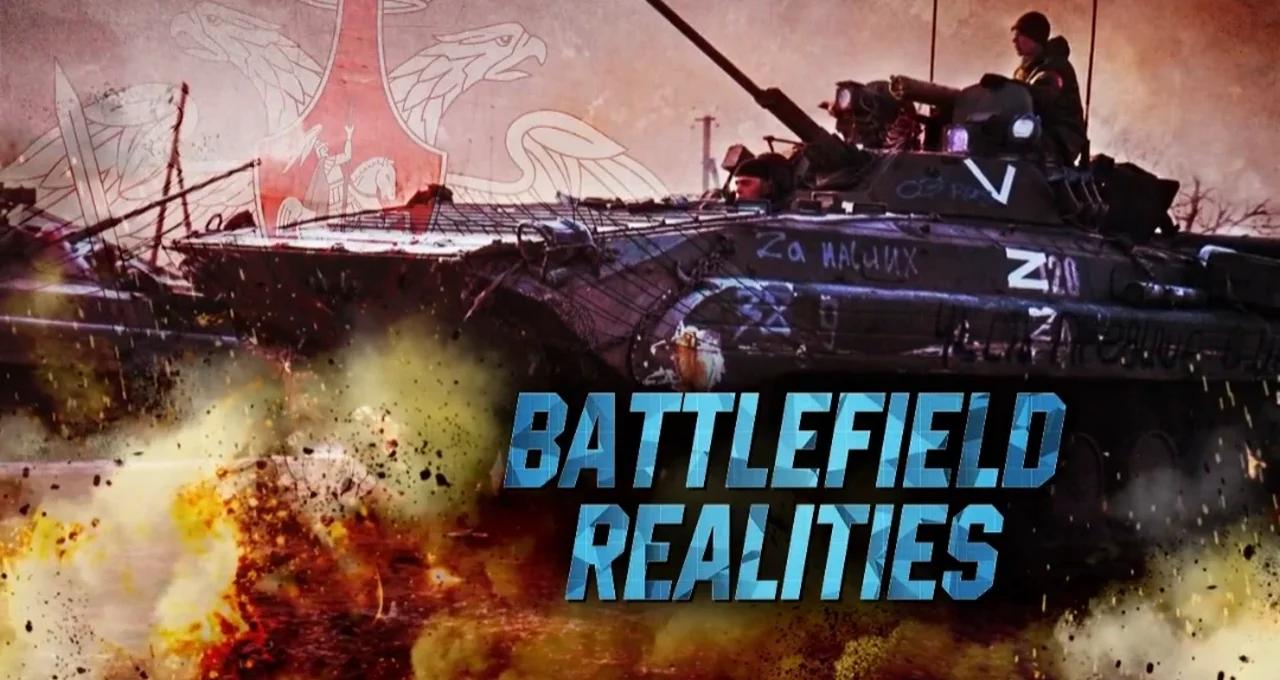
The air inside a C-17 transport plane has a specific, metallic taste. It is a mix of hydraulic fluid, recycled oxygen, and the heavy, unspoken anxiety of two hundred souls suspended thirty thousand feet above the Atlantic. For twenty years, this was the rhythm of American power. We sent the best we had into the dust of distant valley floors, not to conquer territory in the traditional sense, but to hold a line that seemed to shift with every change of the wind.
Pete Hegseth, now standing at the helm of the Pentagon, recently looked into the cameras and spoke a truth that many in the barracks have whispered for a decade. We didn’t start these fires. We didn't choose the terrain or the timing of the initial spark. But the weight of the water bucket has grown heavy, and the strategy of simply "not losing" is being retired for something much sharper.
The era of the managed stalemate is over.
The Ghost in the Briefing Room
Consider a hypothetical soldier named Elias. Elias joined the Army in 2004. He spent his twenties clearing rooms in Fallujah and his thirties advising local forces in the mountains of the Hindu Kush. He is the human embodiment of the "Forever War." When Elias looks at his daughter, he sees a child who has never known a United States at peace. To Elias, the policy shifts discussed in Washington aren't just bullet points on a slide deck. They are the difference between a legacy of achievement and a cycle of repetition.
For years, the American military machine operated under a doctrine of "strategic patience." It sounds noble in a lecture hall. In practice, it meant asking Elias to risk everything for a status quo that never seemed to improve. The mission drifted. The objectives blurred. We became experts at the process of war while losing sight of the purpose of victory.
Hegseth’s arrival signals a pivot toward the finish line. Under the direction of President Trump, the mandate has shifted from occupation to resolution. This isn't about isolationism; it's about the surgical application of force to ensure that when we leave, we leave because the job is done—not because we ran out of breath.
The Mechanics of the End
Military strength is often measured in tonnage and technology, but its true currency is will. A nation that projects an image of endless, aimless involvement invites provocation. It’s the "paper tiger" trap. When you are everywhere, you are vulnerable everywhere.
The current administration’s approach leans into a different logic: the logic of the threshold. By tightening the focus and clarifying the stakes, the U.S. aims to decouple from conflicts that have become self-sustaining ecosystems of violence. This requires a brutal honesty about what can actually be won.
Can you "win" a culture? No.
Can you "win" a 1,000-year-old grievance? Hardly.
But you can dismantle a threat until it no longer possesses the capacity to reach across an ocean and touch your doorstep.
The transition from "starting" to "finishing" involves a massive realignment of resources. It means moving away from the sprawling, vulnerable "Little Americas" built in the middle of deserts and toward a more agile, lethal presence. It’s the difference between a heavy weightlifter trying to swat a fly and a marksman waiting for the right moment.
The Cost of the Middle Ground
There is a psychological toll to the middle ground. Ask any veteran about the "Rules of Engagement" that felt like they were written by lawyers who had never heard a shot fired in anger. There is a specific kind of exhaustion that comes from being told to fight with one hand tied behind your back to avoid "escalation."
The new directive suggests that if a conflict is worth American blood, it is worth the full measure of American power. This isn't a call for reckless aggression. It’s a plea for clarity. By signaling a definitive end-game, the administration is attempting to restore the deterrent value of the uniform.
If the enemy believes you will stay forever, they only have to outlast you. If they believe you are there to finish the job and go home, the math changes. Their incentive to negotiate or retreat spikes when the "forever" part of the war is taken off the table.
The Ripple at the Dinner Table
The stakes of this shift extend far beyond the Green Zone. They land at the kitchen tables of families in Ohio, Georgia, and Oregon. When a war "finishes," a cycle of trauma pauses. The drain on the national treasury slows. The focus shifts from the periphery of the map back to the center of the country.
We often talk about the "war on terror" as if it’s a weather pattern—something that just happens to us. Hegseth’s rhetoric challenges that passivity. It asserts agency. It claims that a superpower has the right, and the responsibility, to dictate the terms of its own engagement.
Critics will argue that leaving a theater of war creates a vacuum. They aren't entirely wrong. History is a messy business, and nature abhors a void. But the counter-argument is becoming louder: how many more decades must we fill that vacuum with the lives of our youth before we admit that some holes cannot be plugged by foreign intervention alone?
The Final Approach
The C-17 eventually lands. The ramp drops, and the humid air of home rushes in. For the men and women stepping off that plane, the political debates in D.C. feel like distant thunder. They care about the person to their left and the family waiting behind the chain-link fence.
Ending a war is infinitely harder than starting one. It requires a different kind of courage—the courage to stop, the courage to define "enough," and the courage to face the messy reality of a world that doesn't always fit into a neat victory parade.
The strategy currently being deployed isn't a retreat. It's a reclamation of purpose. It’s a signal to the world that the American giant is tired of shadowboxing in the dark. If we are forced into the ring, we are coming to end the fight, not to dance for twenty years.
The horizon is changing. The long shadow of the "Forever Front" is finally shortening, pulled back by a hand that is less interested in the elegance of the process and more obsessed with the finality of the result. We are watching the closing of a chapter that stayed open for far too long, written in the ink of resolve and the sweat of those who actually have to carry the pack.
The sun sets over the Potomac, casting long, orange light across the stone monuments of past victories. The ghosts of those wars don't ask for more company; they ask for the peace that follows a job completed. We are finally listening.