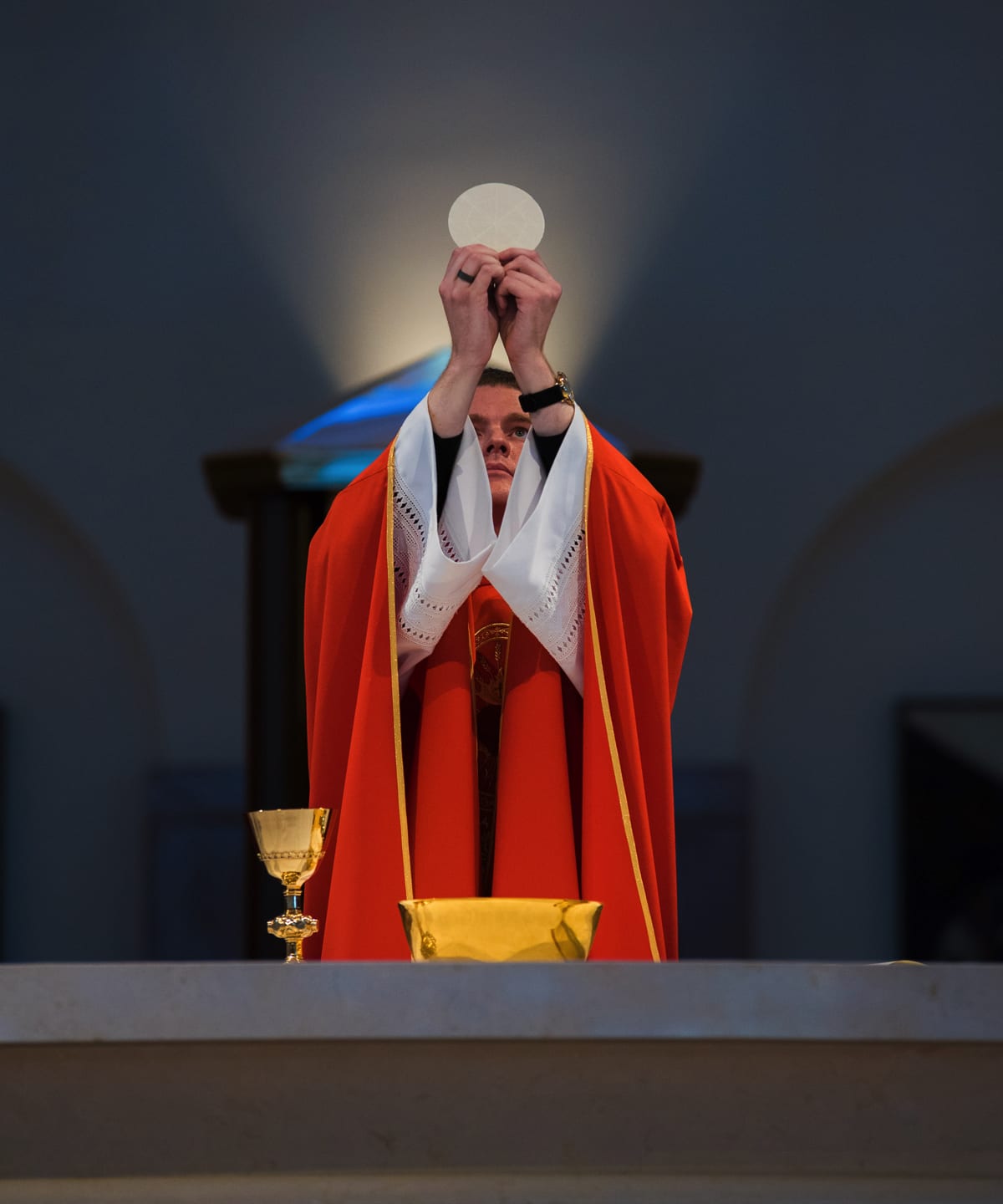
The first twelve months of a papacy function as a diagnostic window into the tension between institutional inertia and individual agency. Pope Leo’s initial year has moved beyond the performative phase of an inauguration, transitioning into a systematic consolidation of what can be defined as his "clarion voice." This voice is not merely a stylistic choice; it is a strategic instrument used to recalibrate the Vatican’s diplomatic weight and internal governance. To understand this shift, one must analyze the three structural levers Leo has manipulated: the Decentralization of Magisterial Authority, the Geopolitical Pivot to the Global South, and the Simplification of Dogmatic Rhetoric.
The Triad of Papal Influence
The efficacy of a Pope is measured by the alignment of his public communication with his administrative decrees. In Leo’s case, the "clarion voice" is the result of a deliberate reduction in linguistic complexity, designed to bypass traditional theological gatekeepers and speak directly to a globalized laity. This creates a specific power dynamic where the Papacy utilizes populist communication to marginalize internal bureaucratic resistance within the Roman Curia. Learn more on a related topic: this related article.
1. Decentralization of Magisterial Authority
The primary structural change observed is the shift from a monarchical teaching model to a synodal framework. This is not a vacuum of power but a redistribution of liability. By empowering local bishops' conferences to interpret specific applications of doctrine, Leo reduces the friction between the universal Church and local cultural norms. The cost of this strategy is the potential for fragmentation, yet the benefit is an increased speed of adaptation in rapidly changing social environments.
2. Geopolitical Pivot to the Global South
Leo’s "clarion voice" resonates most effectively outside the Eurocentric core. Data on Catholic demographics show that the growth centers in Sub-Saharan Africa and Southeast Asia require a different rhetorical profile than the shrinking congregations of Western Europe. His focus on "peripheral" concerns—debt relief, climate migration, and local resource sovereignty—functions as a market expansion strategy. He is pivoting the Church’s brand equity away from being a legacy European institution and toward being a global advocate for the developing world. Additional reporting by Associated Press delves into related perspectives on this issue.
3. Simplification of Dogmatic Rhetoric
Leo has adopted a linguistic style characterized by short, declarative sentences and the avoidance of scholastic Latinisms. This is a tactical "clarity" that serves a dual purpose. First, it makes his messages highly shareable in digital ecosystems, increasing his "earned media" value. Second, it limits the ability of traditionalists to use nuance as a tool for obstruction. When the message is stripped of technical qualifiers, the room for interpretation—and thus, the room for theological filibustering—diminishes.
The Cost Function of Institutional Reform
Every administrative shift in the Vatican carries a political cost. The transition to a more vocal and direct Papacy creates a friction points with the established "Old Guard" of the Curia. We can quantify the impact of Leo’s first year through the lens of internal versus external engagement.
- Internal Friction Coefficient: High. The bypass of traditional departmental channels (Dicasteries) in favor of private consultations has led to a morale dip within the permanent bureaucracy. This creates a bottleneck in the execution of long-term policy.
- External Reach Multiplier: High. Public polling and social media sentiment analysis indicate that Leo’s directness has lowered the barrier to entry for lapsed Catholics and non-adherents.
- Administrative Velocity: Moderate. While the rhetoric is fast, the actual restructuring of Vatican finances and legal codes remains slow due to the inherent complexity of canon law.
The "clarion voice" is the mechanism used to offset the slow pace of structural change. If the bureaucracy cannot be moved, the Pope changes the public perception of the institution's priorities, effectively forcing the bureaucracy to chase his lead.
The Causality of the Clarion Voice
The emergence of this "voice" after exactly one year is not coincidental. It follows a predictable cycle of institutional onboarding:
- Observation Phase (Months 1-4): Assessing the loyalty of inherited staff and identifying the core centers of resistance.
- Strategic Silence (Months 5-8): Limiting public pronouncements while building a parallel network of advisors outside the formal Curia.
- The Pivot (Months 9-12): Launching a series of high-impact statements and appointments that signal the new direction.
This third phase is where the "clarion voice" stabilizes. It is the result of Leo finding the intersection between his personal convictions and the institutional needs of a Church facing secularization in the West and competition from Pentecostalism in the South.
The mechanism of this voice relies on "rhetorical minimalism." By choosing a few key themes—mercy, ecology, and economic justice—and repeating them with high frequency, Leo creates a brand consistency that was lacking in previous years. This consistency acts as a defensive shield; it becomes difficult for critics to attack specific policies when they are framed as part of a broad, popularly supported moral mandate.
Identified Bottlenecks and Strategic Risks
The primary risk to the Leo Papacy is the "Accountability Gap." By speaking with such clarity on global issues, he creates high expectations for institutional reform that the Vatican’s dated infrastructure may not be able to meet.
- The Financial Transparency Bottleneck: Despite vocal calls for reform, the transition to modern accounting standards within the Vatican Bank (IOR) and the Administration of the Patrimony of the Apostolic See (APSA) is hindered by decades of opaque practices. The "clarion voice" risks being seen as hypocritical if the internal books do not reflect the external sermons.
- The Succession Fragility: A papacy built on the personal charisma and direct "voice" of the leader is difficult to institutionalize. If the reforms are not embedded into canon law and permanent bureaucratic structures, they may be easily reversed by a successor with a different rhetorical profile.
- Diplomatic Overreach: By taking hard stances on geopolitical conflicts, Leo risks the "Neutrality Penalty." Historically, the Vatican’s power has come from its ability to act as a neutral mediator. A more vocal, opinionated Papacy may find itself excluded from certain negotiating tables where silence is a prerequisite for entry.
The Strategic Projection
To ensure the longevity of the "clarion voice," the next phase of the papacy must move from rhetoric to codified regulation. The "voice" has served its purpose in setting the agenda; the next twelve months require the translation of that agenda into the Constitutio Apostolica.
The objective must be the formalization of the "peripheral" focus. This involves reconfiguring the College of Cardinals to ensure that the Global South holds a permanent, unassailable majority. This is the only way to ensure that the "clarion voice" remains the institutional voice long after Leo’s tenure.
The administrative priority should be the creation of a "Rapid Response Magisterium"—a formal body that can issue authoritative guidance on contemporary ethical issues (AI, bioethics, climate migration) at the speed of the news cycle, rather than the speed of traditional papal encyclicals. This would institutionalize the directness Leo has pioneered, transforming a personal trait into a structural advantage.
The transition from a "finding" of the voice to the "application" of the voice defines the success of this second year. Leo has successfully diagnosed the Church’s communicative obsolescence; now he must prove that a clearer voice can actually command the machine of the Church to move in a new direction.


