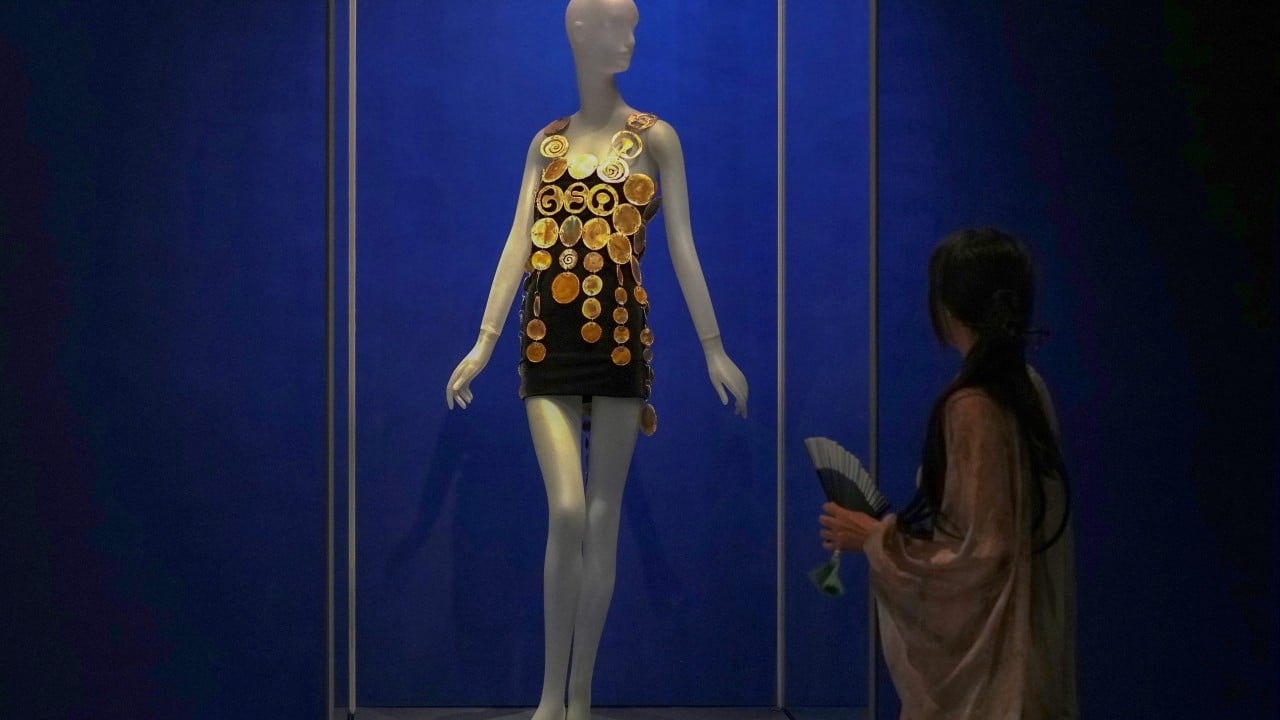
The arrival of the Metropolitan Museum of Art’s high-profile exhibition in Hong Kong is more than just a win for local art lovers. It is a calculated move in a high-stakes game of global positioning. While public relations narratives often lean on the tired language of "cultural bridges," the reality on the ground is far more pragmatic. This partnership signals a desperate, necessary effort to re-establish Hong Kong as a neutral ground for international finance and high society after years of isolation and shifting political tides. By bringing 100 masterpieces from New York to the banks of the Pearl River, the Met is lending its massive institutional weight to a city striving to prove it remains the premier gateway to Asia.
The Business of the Brushstroke
The art world rarely operates on altruism alone. When a titan like the Met exports a significant portion of its collection, the logistical and insurance costs are astronomical. These exhibitions are financed by a complex web of government subsidies, private philanthropy, and corporate sponsorships. In this instance, the collaboration with the Hong Kong Palace Museum serves a specific economic function.
Hong Kong’s traditional role as a financial hub has faced stiff competition from Singapore and Tokyo. To fight back, the local administration has pivoted toward a "culture-first" strategy. They are betting that if you build the world’s most impressive museum district, the family offices and hedge fund managers will follow. The Met’s presence acts as a seal of approval. It tells the global elite that the city is open, stable, and still connected to the West’s most prestigious institutions.
Institutional Survival in a Post-Pandemic Market
For the Met, the motivation is equally grounded in survival. The American museum sector has struggled with fluctuating attendance and a changing donor demographic. Expanding their brand into Asia isn't just about sharing art; it’s about securing future funding. As wealth continues to concentrate in the East, the Met needs to ensure it is the first name that comes to mind when a billionaire in Shanghai or Jakarta decides to endow a wing or fund a restoration.
This isn't a one-way street. The exchange of artifacts allows for a shared prestige that can be leveraged back in New York. By embedding itself in the Hong Kong art scene, the Met gains proximity to a burgeoning market of collectors who are increasingly dominating major auctions at Christie’s and Sotheby’s.
Navigating the Geopolitical Tightrope
The most overlooked aspect of this exhibition is the timing. Relations between Washington and Beijing have rarely been more strained. In such a climate, a major loan of cultural treasures is one of the few remaining avenues for non-confrontational engagement. Art becomes a proxy for diplomacy when official channels are clogged with trade disputes and security concerns.
Critics argue that these exhibitions provide a veneer of normalcy that ignores deeper structural changes in the region. However, many career diplomats see it differently. They view these exchanges as essential "backdoor" communication. When curators and board members from New York meet their counterparts in Hong Kong, they are maintaining a thread of connectivity that transcends politics. It is a slow, quiet form of influence that relies on the shared language of history and aesthetics rather than policy papers.
The Logistics of a Masterpiece
Moving a single van Gogh or Monet across the ocean is a feat of engineering. Moving a hundred of them is a military-grade operation. The items are packed in climate-controlled, vibration-proof crates and often split across multiple flights to minimize the risk of a total loss in the event of a crash.
Once they arrive, the challenge shifts to the environment. Hong Kong’s humidity is the natural enemy of oil on canvas and ancient textiles. The Hong Kong Palace Museum has had to invest millions in state-of-the-art HVAC systems and specialized lighting to meet the Met’s exacting standards. This infrastructure investment is a permanent upgrade for the city, ensuring it can host any collection from any museum in the world in the future.
The Local Impact on a Global City
For the average Hong Kong resident, the exhibition is a rare chance to see Western art history without a fifteen-hour flight. This accessibility matters. It shapes the tastes and aspirations of the next generation of local artists and designers.
There is also the "halo effect" on local tourism. An exhibition of this caliber attracts visitors from across Southeast Asia and Mainland China. These tourists don't just visit the museum; they stay in hotels, eat at restaurants, and shop in the luxury malls of Tsim Sha Tsui. The ripple effect of a single blockbuster show can be felt across the service economy.
Redefining the Museum Experience
The way people consume art is changing. The Met and its Hong Kong partners are well aware that a traditional "pictures on a wall" approach isn't enough to capture a modern audience. The exhibition incorporates interactive elements and digital storytelling designed to appeal to a younger, tech-savvy demographic.
This shift toward "edutainment" is controversial among purists, but it is a necessary evolution. Museums can no longer afford to be silent cathedrals. They must be active participants in the attention economy. By blending historical gravitas with modern presentation, the Met is showing other institutions how to stay relevant without sacrificing their intellectual integrity.
The Cost of Cultural Capital
We must also talk about the money. While the exact figures of the loan fee remain confidential, similar deals in the past have involved tens of millions of dollars. This capital helps the Met maintain its sprawling Fifth Avenue campus and fund its own research.
However, the real currency is "cultural capital." For Hong Kong, the cost is justified by the prestige it buys. In the world of global cities, reputation is everything. If the world perceives a city as a cultural backwater, its economic influence will eventually wane. By hosting the Met, Hong Kong is asserting its status as a world-class capital, a peer to London, Paris, and New York.
Behind the Scenes at West Kowloon
The West Kowloon Cultural District, where the exhibition is housed, has been a decades-long project fraught with delays and budget overruns. Seeing the Met's collection within its walls is a moment of vindication for the planners who envisioned this area as a global art hub.
It is a massive physical manifestation of a policy shift. For years, Hong Kong was criticized for being a "cultural desert" focused only on finance. The sheer scale of the Palace Museum and the nearby M+ museum is a direct rebuttal to that claim. These aren't just buildings; they are containers for global legitimacy.
The Role of Private Collectors
A significant portion of the coordination for these events happens in private clubs and boardroom offices long before a single painting is moved. The influence of Hong Kong’s elite families cannot be overstated. Many of these individuals sit on the boards of Western museums or have donated significant sums to their collections.
These power brokers act as the glue between the institutions. They are the ones who can pick up the phone and smooth over a diplomatic hiccup or secure a last-minute sponsorship. Their involvement ensures that the exhibition is not just a government project, but a community effort from the city’s most influential residents.
The Fragility of the Exchange
Nothing about this partnership is guaranteed for the long term. Cultural exchanges are often the first thing to be cut when budgets tighten or political tensions boil over. The success of this exhibit is a fragile win. It depends on a continued mutual interest that could shift with the next election cycle or economic downturn.
There is also the question of "repatriation" and the changing views on how Western museums acquired their collections. While the Met’s Hong Kong show focuses on pieces with clear provenance, the global conversation around who owns history is getting louder. Any international collaboration now takes place against this backdrop of historical reckoning.
Education and Outreach
Beyond the glitz of the opening night, the exhibition includes a series of workshops and lectures aimed at local students. This is where the real work of "cultural exchange" happens. When a local art student can study the brushwork of a European master up close, it changes their perspective in a way that a textbook never could.
These programs are often the unsung heroes of major exhibitions. They build the human connections that outlast the physical presence of the artworks. They create a shared intellectual space that is difficult to replicate through any other medium.
Why This Matters Now
The world is currently fragmenting into competing blocs. In this environment, the "unifying power of art" is a cliché, but its practical application is vital. We need spaces where people from different backgrounds and political systems can still find common ground.
The Met's exhibition in Hong Kong provides that space. It is a reminder that even in a period of intense global rivalry, there is still a desire for shared experience and excellence. It proves that the demand for beauty and history is universal, and that cities which prioritize these things will always have an advantage.
Looking at the Numbers
A look at the visitor data from previous international collaborations in Hong Kong shows a consistent trend. Blockbuster shows from institutions like the British Museum or the Louvre consistently sell out. The Met is expected to see similar numbers, with early ticket sales already indicating a massive public appetite.
This data is crucial for the city’s long-term planning. It provides the evidence needed to justify continued investment in the arts. It shows that culture is not a luxury, but a core component of a modern, successful city’s infrastructure.
The Competition for the "Blockbuster"
Every major city in the world is currently vying for these kinds of exhibitions. Beijing, Shanghai, and Tokyo are all aggressive players in the market for international loans. The competition is fierce, and the requirements for hosting are becoming more stringent every year.
Hong Kong’s ability to secure the Met is a signal that it still has the "soft power" to win these battles. It is a sign of institutional health and operational excellence. If the city can successfully execute a loan of this magnitude, it remains at the front of the line for the next big thing.
Moving Beyond the Gallery Walls
The impact of this exhibition will be measured in the months and years after the crates are sent back to New York. It will be measured in the increased membership at local museums, the growth of local art galleries, and the continued relevance of Hong Kong on the global stage.
The Met is not just visiting; it is leaving a mark on the city’s cultural DNA. It is a high-stakes experiment in whether art can truly serve as a stabilizing force in an unstable world. The success of this venture will likely dictate the template for international cultural cooperation for the next decade.
The artifacts on display are silent, but the message they send is deafening. They tell a story of a city that refuses to be sidelined and an institution that recognizes where the future of its influence lies. This isn't just about art; it's about the enduring power of prestige and the calculated risks required to maintain it in a world that never stops moving.
Go to the museum not just to see the paintings, but to see the machinery of global influence in action. Look at the security, the climate control, the branding, and the crowds. You aren't just looking at history; you are witnessing the present trying to secure its place in the future. The real exhibition is the fact that this is happening at all.