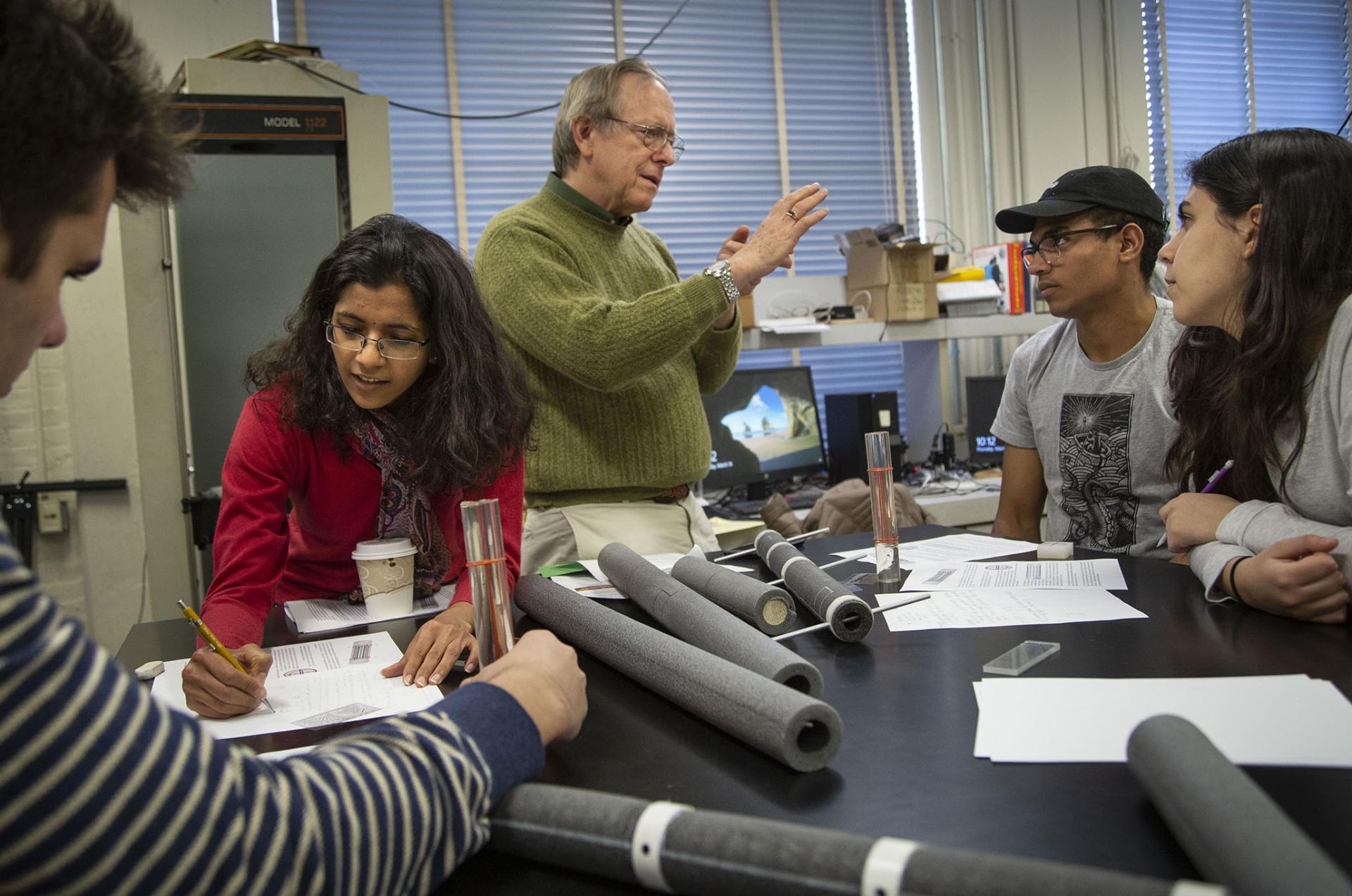
The recent high-level AI forum at Fez Euromed University was not merely another academic gathering or a networking event for regional elites. It represented a strategic maneuver by Morocco to position itself as the primary mediator between the rapid-fire innovation of the West and the unique socio-economic demands of the Global South. As the world watches Silicon Valley and Brussels trade regulatory blows, the Fez summit signaled that North Africa refuses to be a passive consumer of algorithmic outcomes. The forum focused on the existential risk and societal upheaval promised by artificial intelligence, but the subtext was entirely about power, sovereignty, and the refusal to be left behind in a new technological era.
For decades, the narrative of technological progress has been written in English and coded in Palo Alto. The Fez Euromed University (UEMF) summit challenged this status quo by gathering some of the brightest minds in the Mediterranean and beyond to discuss "The Future of Human Civilization." While that title sounds like it belongs in a philosophy seminar, the discussions were rooted in hard reality. The participants recognized that if the frameworks for AI ethics and governance are built without diverse regional input, they will inevitably fail. They won't just fail to be "fair"; they will fail to function in a globalized economy. You might also find this similar story useful: Why AI Breakthroughs Won't Speed Up Self Driving Trucks in China.
The Sovereign Data Problem
One of the most pressing issues addressed was the concept of data sovereignty. In the current global structure, African and Mediterranean data is frequently harvested by multinational corporations to train models that are then sold back to those same regions. It is a digital extraction economy.
At the Fez forum, the push was for a localized infrastructure. This means building large language models that understand local dialects, cultural nuances, and regional economic structures. It is not just about translation. It is about context. An AI trained exclusively on American legal or medical data will provide skewed results when applied to a Moroccan rural health clinic or a Tunisian judicial setting. The experts at UEMF argued that developing domestic AI capacity is now a matter of national security. As discussed in recent reports by CNET, the effects are worth noting.
The Workforce Displacement Myth and Reality
The conversation around AI often falls into two camps: the techno-optimists who believe every lost job will be replaced by two new ones, and the doomsayers who predict a permanent underclass. The Fez summit took a more pragmatic middle ground. The reality for the Euro-Mediterranean region is a demographic mismatch. Europe has an aging population that needs automation to maintain productivity, while North Africa has a youth bulge that desperately needs employment.
This creates a volatile friction point. If AI is used solely to automate entry-level cognitive tasks, the very "outsourcing" jobs that have fueled the North African middle class for twenty years could vanish overnight. The forum didn't shy away from this. The consensus was that the education system at institutions like UEMF must pivot from teaching students how to execute tasks to teaching them how to manage the systems that execute those tasks. It is a subtle but massive shift in pedagogical philosophy.
Why the Mediterranean Bridge Matters
Morocco is uniquely positioned to act as a bridge because it sits at the intersection of European regulatory standards (like the EU AI Act) and the developing African tech market. By hosting these discussions in Fez, a city that has been an intellectual hub for centuries, the organizers were making a point about continuity.
The Regulatory Trap
There is a danger in adopting Western regulations wholesale. The EU AI Act is designed for a mature, wealthy economy. For a developing economy, over-regulation can stifle the very innovation needed to solve local problems like water scarcity or agricultural efficiency. The Fez forum highlighted the need for a "third way" of regulation—one that protects human rights and privacy without creating such high barriers to entry that only the massive tech giants can afford to comply.
Infrastructure as the Great Divider
You cannot run a digital revolution on a shaky power grid or slow internet. While the forum spoke about "Civilization," the technical underpinnings were the real stars. Morocco's investment in green energy—specifically solar and wind—provides a competitive advantage for hosting the massive data centers required for AI. Computing power is energy-intensive. By linking the AI roadmap to the nation's renewable energy goals, the Moroccan government is attempting to solve two problems at once. They are offering a sustainable home for the "brains" of the future.
The Ethics of Cultural Preservation
A significant portion of the discourse focused on the risk of "cultural flattening." When a few major AI models dominate the global information supply, they tend to homogenize thought. They reflect the biases, values, and historical perspectives of their creators. For the Mediterranean region, with its deep roots in Islamic, African, and European histories, this poses a threat of intellectual erasure.
The forum participants argued for "multipolar AI." This isn't just a buzzword. It refers to a world where multiple, diverse AI systems exist and interact, rather than a single, dominant "Global AI" that treats every other culture as an edge case. The goal is to ensure that the AI of 2050 knows as much about the philosophy of Ibn Khaldun as it does about Thomas Hobbes.
Algorithmic Accountability in Practice
The investigative eye must look at who was in the room. The Fez summit brought together government officials, private sector leaders, and academics. This "triple helix" model is essential for any real progress. However, the true test lies in what happens after the coffee is cleared and the delegates go home.
Accountability in AI is notoriously difficult to enforce. If an algorithm makes a biased decision in a bank in Casablanca, who is responsible? Is it the developer in San Francisco, the local bank manager, or the government that allowed the software to be deployed? The Fez forum began the difficult work of defining these legal boundaries. They proposed a framework where the "provenance" of an algorithm is as transparent as the list of ingredients on a food label.
The Real Stakeholders
While the elite discussed the future of civilization, the real stakeholders are the millions of young people across the Maghreb who are currently learning to code. For them, AI is not a theoretical threat; it is their career path. The forum’s emphasis on "Human-Centric AI" must move beyond rhetoric. To be human-centric, these technologies must be accessible to the small-scale entrepreneur in the Fez medina, not just the multinational corporations in the Casablanca Finance City.
Bridging the Digital Divide
The "Digital Divide" is an old term, but AI has widened it into a canyon. The difference between someone who can use AI tools and someone who cannot is becoming the primary driver of wealth inequality. UEMF’s role as a regional leader involves more than just hosting talks; it involves the massive task of technical literacy. They are essentially trying to build a defense against a future where their citizens are merely data points in someone else's profit margin.
A New Model for Global Cooperation
The Fez Euromed University forum was a rejection of the idea that the future is something that "happens" to the Mediterranean. It was an assertion that the region will be a participant in the creation of that future. The path forward involves a precarious balance of adopting global technology while fiercely protecting local sovereignty.
The success of this initiative will be measured by whether the frameworks discussed in Fez are actually implemented in policy. If Morocco and its neighbors can create a regulatory and development environment that attracts investment while maintaining ethical standards, they will have done more than just host a forum. They will have created a blueprint for the rest of the developing world.
The era of passive adoption is over. The nations that will thrive in the coming decades are those that realize technology is not a neutral tool, but a reflection of the values of its makers. By demanding a seat at the table in Fez, these leaders are ensuring that the "Future of Human Civilization" includes their voices, their history, and their specific vision for a digital world that serves humanity rather than the other way around.
The focus now shifts from the grand halls of UEMF to the legislative chambers and startup incubators where these ideas will either take root or wither. The stakes are too high for this to have been just another conference. The transition to an AI-driven society is happening with or without our permission. The only question that remains is who holds the remote control when the system finally goes live on a global scale. We are looking at a fundamental restructuring of the social contract, one where the code is the law and the data is the currency. Morocco is betting that by being the first to define these rules in the region, they can secure their place in the new world order.
The forum's true legacy won't be found in the press releases. It will be found in whether the next generation of AI is built with a Mediterranean conscience. Stop waiting for the future to arrive and start building the infrastructure to survive it.