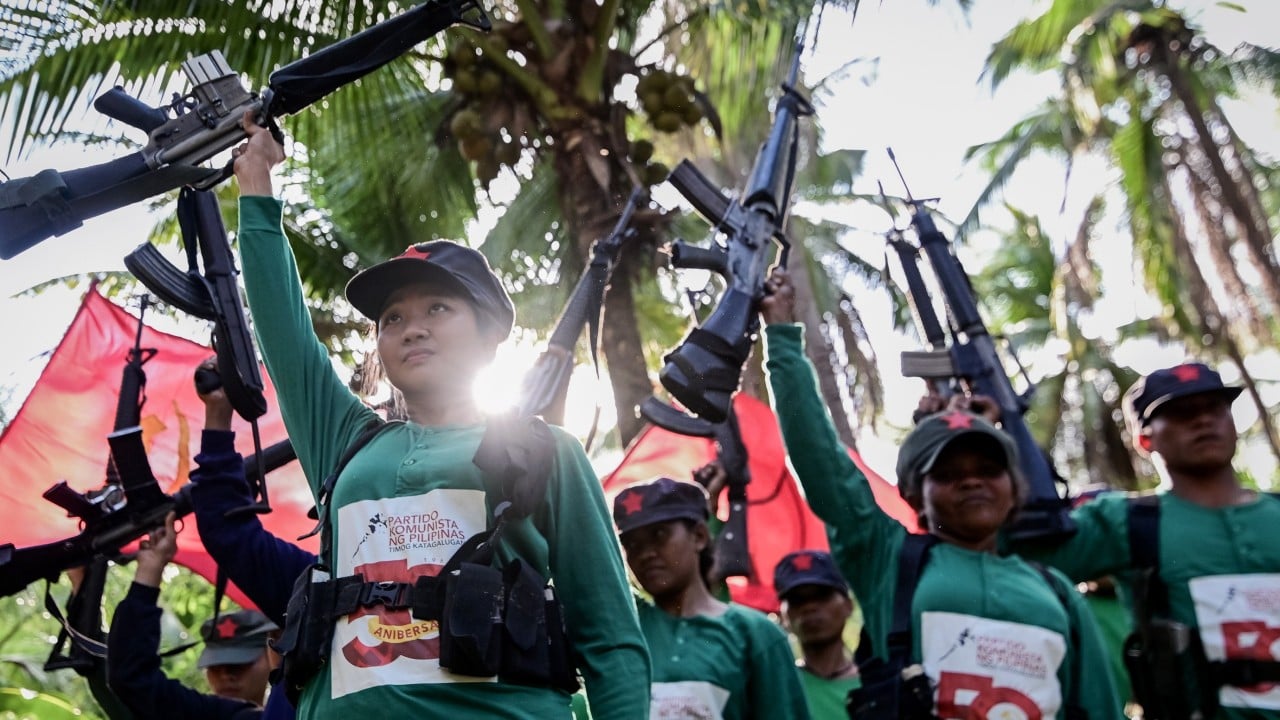
The long-running insurgency in the Philippines just hit a massive speed bump in the hinterlands of Negros. Philippine army troops recently neutralized at least 10 Maoist rebels during a series of intense clashes, marking one of the most significant tactical blows to the New People’s Army (NPA) in recent memory. If you’ve been following the internal security situation in Southeast Asia, you know this isn't just another skirmish. It’s a signal that the government's strategy of localized pressure is actually working.
Negros has always been a pressure cooker. The island's history of land disputes and wealth disparity made it fertile ground for the Communist Party of the Philippines (CPP) to recruit for decades. But the recent encounters in cities like Himamaylan and surrounding municipalities show a shift in the wind. The military isn't just reacting anymore. They’re hunting.
The tactical breakdown of the Negros encounters
Military intelligence suggests these weren't random run-ins. The 3rd Infantry Division of the Philippine Army has been utilizing a mix of human intelligence and technical surveillance to pin down rebel units that used to move like ghosts through the North and South Negros Fronts.
During the latest engagement, the 94th Infantry Battalion reportedly caught a group of rebels off guard. The firefight was brief but violent. When the smoke cleared, 10 bodies were recovered alongside a haul of high-powered firearms, including M16 rifles and grenade launchers.
Why does this matter? Because the NPA relies on "fluidity." They survive by being everywhere and nowhere. Losing 10 fighters in a single theater is a logistical nightmare for a group that’s already struggling with dwindling recruitment numbers. When you lose that many seasoned regulars, you don't just lose bodies; you lose the local knowledge and the fear-factor that keeps the rural population from talking to the authorities.
Breaking the cycle of recruitment
I’ve seen this pattern play out before. The NPA thrives when they can present themselves as the only protection for the "masa" or the common people. However, the army’s current approach involves more than just bullets. They’re flooding these conflict-prone areas with "Peace and Development" teams.
It’s basically a two-front war. On one hand, you have the kinetic operations—the actual shooting. On the other, you have the civil-military operations that aim to fix the roads and bring in the clinics. When the government shows up with a bulldozer and a doctor, the rebel’s ideological pitch starts to sound pretty thin.
The role of intelligence and community tips
You can't win a guerrilla war without the locals. For years, the people of Negros stayed silent, either out of genuine support for the Maoist cause or, more likely, out of a very rational fear of being "liquidated" for being an informant.
The tide is turning. The military claims that many of these recent successful strikes were the direct result of tips from villagers. This is the "secret sauce" that the national media often overlooks. People are tired. They want to be able to farm their sugarcane and live their lives without paying "revolutionary taxes"—which is really just a fancy term for extortion.
The weaponry and logistics gap
The gap between the Armed Forces of the Philippines (AFP) and the rebels is widening. The NPA is still largely using vintage small arms and improvised explosive devices (IEDs). Meanwhile, the AFP has been modernizing. We’re talking about thermal imaging, better drone integration, and air assets that can provide close air support in minutes.
In the Negros battles, the rebels were trapped in rugged terrain that they used to own. Now, that same terrain is a cage. If the army can see you through the canopy with a drone, your "guerrilla tactics" are effectively dead.
Why Negros remains the center of the storm
Negros is unique compared to Luzon or Mindanao. The sugar industry dominates the economy here. It’s an island of "haciendas," where the gap between the rich and the poor is visible from space. This inequality is the oxygen that the Maoist movement breathes.
Even if the military kills 100 rebels tomorrow, the movement won't truly die until the land issues are settled. That’s the hard truth. The 10 rebels killed in these recent battles represent a tactical victory, but the strategic victory depends on the Department of Agrarian Reform and other civilian agencies.
The fallout for the CPP-NPA leadership
The leadership of the Negros Regional Committee is likely in a state of panic. Every time a major cell gets wiped out, the internal paranoia grows. They start looking for "spies" within their own ranks. This often leads to internal purges, which further weakens the movement.
I’ve talked to former rebels who surrendered. They often say the same thing: they weren't defeated by the army’s guns, but by the realization that their leaders were living comfortably while the rank-and-file were starving in the mountains. These latest casualties only reinforce that narrative.
Tracking the numbers of the insurgency
Let’s look at the data. A few years ago, the NPA had thousands of active fighters. Today, the military estimates that number has dropped significantly, with most "fronts" being declared "weakened" or "dismantled."
- 10 rebels killed: A major blow to a single regional front.
- Recovered firearms: High-powered rifles are hard to replace in 2026.
- Surrender rates: For every rebel killed in battle, three more usually surrender.
This isn't just propaganda. It’s a trend. The Maoist rebellion in the Philippines is the longest-running communist insurgency in the world, but it’s looking more and more like a relic of the Cold War that simply forgot to quit.
What happens next on the ground
The immediate aftermath of these battles will involve "clearing operations." The army will stay in the area to ensure that the remnants of the rebel group don't regroup. You can expect a spike in localized surrenders in the coming weeks. Usually, when a big group gets hit, the fringe members realize the game is up.
If you’re living in or traveling to Negros, you’ll see more checkpoints. It’s a nuisance, sure, but it’s part of the tightening noose. The military wants to ensure that no supplies or reinforcements reach the surviving rebels.
Stay informed by following local Negros news outlets like the Visayan Daily Star or official AFP press releases from the 3ID. Don't just read the headlines—look for the specific locations of the clashes. If you see the military moving into "geographically isolated and disadvantaged areas" (GIDAs), you know they’re going for the kill.
The era of the NPA holding large swaths of Negros is over. What remains is a mop-up operation that could still take years, but the momentum is clearly on one side.