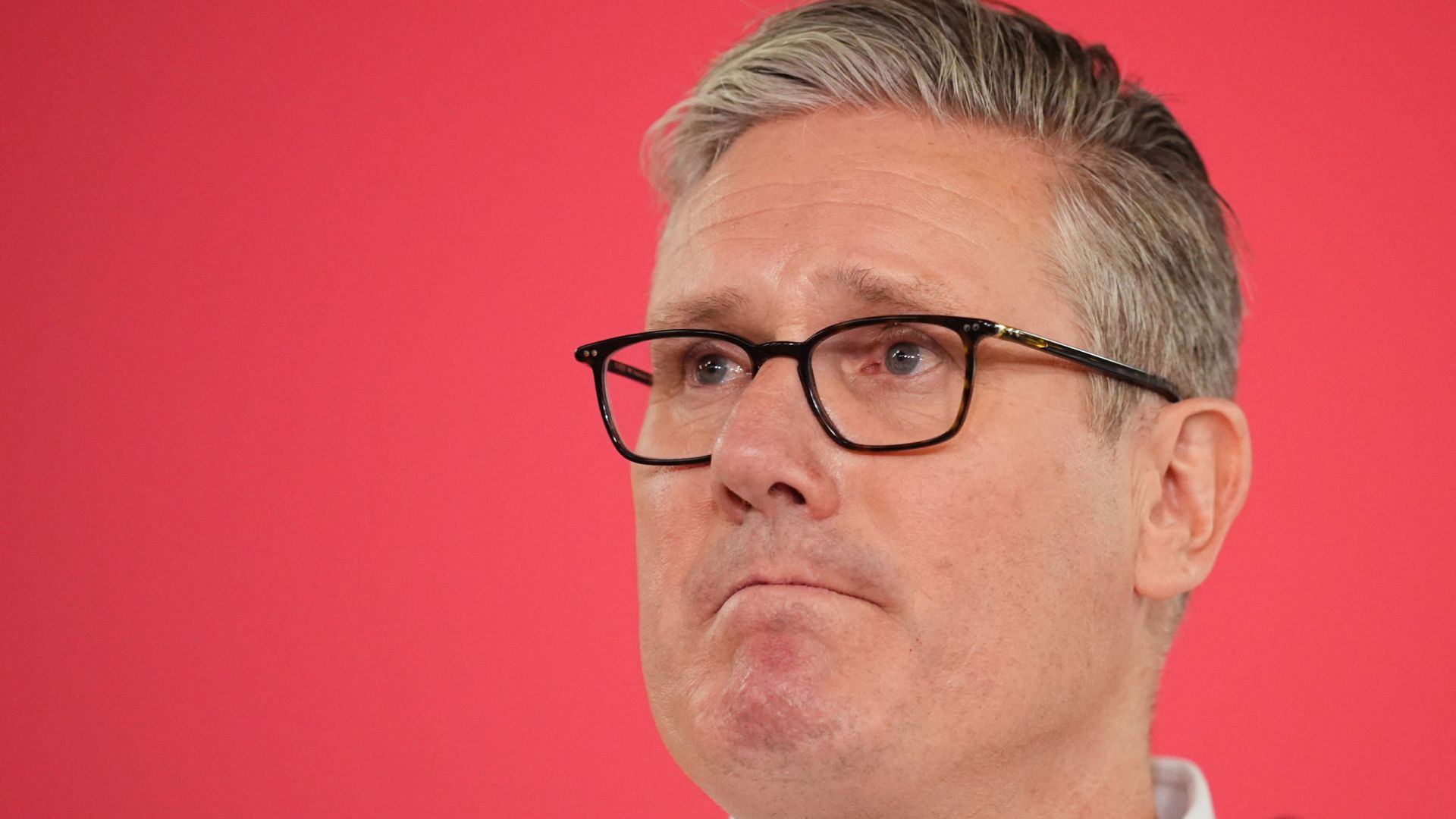
The Prime Minister is walking into Number 10 today with a stack of papers that likely feel heavy enough to break the desk. There’s no sugarcoating it. The mood in Westminster is tense, and for good reason. When a leader spends the morning weighing up options before a crucial cabinet meeting, it usually means the easy choices ran out weeks ago. We’re past the point of simple fixes. Now, it’s about choosing which fire to put out first while the others keep burning.
The public wants answers on the economy, public services, and internal party discipline. They want them now. But inside that room, the math doesn't always add up. You have different factions, all with their own "red lines," and a PM who knows that one wrong move could trigger a leadership challenge or a collapse in the polls. It’s a high-wire act without a net.
The real pressure behind the weighing up options strategy
People often think "weighing up options" is just political speak for indecision. Sometimes it is. But right now, it’s about survival. The PM has to balance the Treasury’s demand for fiscal restraint against the screaming need for investment in the NHS and infrastructure. If you cut too deep, you lose the voters. If you spend too much, the markets freak out. We’ve seen what happens when the markets freak out. Nobody wants a repeat of the 2022 mini-budget chaos.
The cabinet members waiting at the long table aren't just colleagues. They’re rivals, allies, and sometimes, the very people looking to take the top job. The PM has to manage these egos while trying to pass a coherent policy. It’s messy. It’s loud. And today, it’s make-or-break.
Why the timing of this morning’s meeting matters
This isn't just any Tuesday. We’re sitting on the edge of new economic data and shifting geopolitical tensions that make domestic policy feel like a secondary concern, even though it’s what wins elections. The PM needs a win. A big one. Whether it’s a surprise shift in tax policy or a hardline stance on a controversial social issue, the goal is to seize the narrative back from the opposition.
The specific hurdles on the table today
Don't expect a boring briefing. The agenda is packed with items that have been festering for months. First, there’s the cost of living. Even if inflation numbers look better on paper, the person at the checkout counter doesn't feel it yet. Rent is up. Mortgages are a nightmare. Energy bills are still a gut punch for millions.
- The Housing Crisis: Everyone agrees we need more homes, but nobody wants them in their backyard. The PM has to decide whether to steamroll local opposition or keep the status quo and watch young voters walk away.
- Healthcare Backlogs: The NHS is the third rail of British politics. Touch it and you get burned. But ignoring the waiting lists is no longer an option.
- Internal Rebellion: There’s a group of backbenchers who are tired of the "middle ground." They want bold, right-wing shifts. If the PM ignores them, they make life miserable in the Commons.
I’ve seen this play out before. A leader tries to please everyone and ends up pleasing nobody. The "options" being weighed aren't just policies—they’re political lifelines.
How the cabinet meeting actually works
Forget the polished photos you see on social media. A "crucial cabinet meeting" is often a room full of tired people drinking bad coffee and arguing over semantics. The PM sets the tone, but the big hitters—the Chancellor, the Home Secretary, the Foreign Secretary—hold significant sway.
If the Chancellor says there’s no money, the conversation usually dies there. But if a senior minister threatens to resign over a specific point, the PM has to pivot. That’s the real "weighing up" happening today. It’s a game of political poker where the stakes are the future of the country.
The role of the civil service in these options
Behind every option the PM considers is a team of civil servants who have spent all night crunching numbers. They provide the "impartial" advice, but everyone knows that advice is filtered through the lens of what is actually possible. Today, the PM will be looking for the "least worst" path.
What happens if they can't agree
Gridlock is the enemy. If the cabinet walks out of that room today without a unified front, the sharks start circling. The media will pick up on the scent of blood immediately. You’ll see "unnamed sources" leaking disagreements to the press by lunchtime.
A weak cabinet meeting leads to a weak performance at Prime Minister’s Questions. It leads to a drop in the value of the pound. It leads to a sense of drift that a government can rarely recover from. The PM knows this. That’s why the deliberation this morning is so intense.
Comparing this to historical pivots
Look back at the big shifts in British political history. They almost always started with a "crucial cabinet meeting" where a leader had to ditch a long-held belief to stay in power. Think of the U-turns of the 70s or the internal wars of the 90s. We’re in that kind of territory again. The decisions made today won't just affect the next week; they’ll define the next decade of the party's identity.
The public perception gap
Most people don't care about the intricacies of cabinet collective responsibility. They care if their train runs on time and if they can see a GP. The PM has to translate these "options" into something that matters to a family in Manchester or a small business owner in Birmingham.
If the outcome of today’s meeting is just more jargon, it’s a failure. The PM needs to come out with a clear, direct message. "We are doing X because of Y, and it will result in Z." Anything less is just noise.
Why you should watch the body language
When the ministers leave Number 10, look at their faces. Are they rushing to their cars? Are they stopping to give a quick, practiced quote? The optics matter almost as much as the policy. A fractured cabinet can't hide its cracks for long.
Honestly, it’s a brutal job. You’re constantly monitored, criticized, and second-guessed. But that’s what the PM signed up for. The "weighing up options" phase is where the real leadership happens—or where it disappears entirely.
Concrete steps for the afternoon
Once the meeting breaks, the machine kicks into gear.
- The Briefing: The PM's spokesperson will talk to the lobby journalists. They’ll try to spin the results as a massive win for the government's agenda.
- The Implementation: Departments will get their marching orders. If a new spending plan was agreed, the Treasury starts moving the chess pieces.
- The Fallout: Watch the resignation watchlists. If a major option was rejected, keep an eye on the ministers who championed it. Their silence—or their noise—will tell you everything you need to know about the stability of the government.
The PM is in the hot seat. The options are on the table. The clock is ticking. What happens in the next few hours will determine if this government has a second wind or if it’s just gasping for air. Pay attention to the details, because the "small" options often have the biggest impact on your daily life.