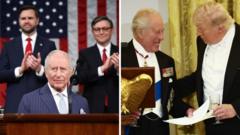
Soft power isn't just a buzzword. It’s the sound of clinking crystal and the calculated rhythm of a twenty-one-gun salute on the White House South Lawn. When the King and Queen arrived in Washington, the spectacle wasn't just for the cameras. Behind the jokes about shared history and the exchange of carefully curated gifts lies a strategic play that defines the modern "special relationship."
You might think a state dinner is just a fancy party for people who already have everything. It’s not. It’s high-stakes diplomacy wrapped in silk. In a world where alliances feel increasingly fragile, these moments of pomp and circumstance serve as a physical anchor for international cooperation.
The Strategy Behind the Red Carpet
Washington knows how to throw a party, but every detail of this royal visit was designed to send a specific message. It’s about continuity. When the President welcomes the King, they aren't just two individuals meeting. They’re representatives of a long-standing security and economic pact that keeps both nations afloat.
The red carpet rollout serves as a visual reminder of stability. While the headlines often focus on the menu or the designer gowns, the real work happens in the quiet moments between the toasts. It’s about reinforcing ties in defense, technology, and trade. We’re talking about two countries that share intelligence through the Five Eyes alliance and manage billions in bilateral investment. You don't get that kind of cooperation without the occasional night of formal dress and vintage wine.
Gifts That Talk
Gift-giving in the diplomatic world is an art form. It’s never just a trinket. Every item exchanged during this visit was chosen to highlight a shared value or a piece of mutual history.
Historical documents, rare books, or custom-made craftsmanship—these items are symbolic gestures. They signal that both sides have done their homework. They show respect. When the King receives a gift that references a past ancestor’s visit or a shared scientific achievement, it’s a subtle nod to the fact that this relationship isn't new. It’s built on layers of interaction that predate everyone currently in the room.
The humor used during the arrival ceremony also plays a part. A well-timed joke about the weather or the "slight disagreement" of 1776 breaks the ice. It makes these towering figures seem more human. It tells the public that despite the formal titles, there’s a genuine rapport at the top. That rapport is what helps when actual crises hit and leaders need to pick up the phone at 3:00 AM.
Why the State Dinner Menu Is Polished Politics
The state dinner is the crown jewel of any official visit. The guest list is a curated map of power, featuring everyone from tech CEOs to cultural icons. Getting an invitation is the ultimate Washington flex.
Food serves as a bridge. The menu usually blends American ingredients with culinary nods to the visiting nation. It’s a literal taste of diplomacy. But look past the poached lobster. The seating chart is where the real action happens. Putting a senator next to a British business leader isn't an accident. It’s an opportunity to lobby, to pitch, and to build the kind of personal connections that grease the wheels of international business.
This isn't just about fluff. The economic impact of the UK-US relationship is staggering. We’re looking at over $1 trillion in mutual investment. When you see the King and the President clinking glasses, remember that they are presiding over an economic engine that supports millions of jobs on both sides of the Atlantic.
Addressing the Modern Relevance of Monarchy in DC
Some people argue that the pageantry is outdated. They ask why a republic like the United States spends so much energy on a visiting royal. The answer is simple: brand power.
The British monarchy remains one of the most recognizable brands on the planet. When the King visits, the world watches. For Washington, hosting the royals is a chance to project its own image as a global leader and a gracious host. It’s about being seen. It’s about the optics of the two most influential Western powers standing side-by-side.
Critics might roll their eyes at the formal attire and the strict protocol, but in the world of geopolitics, optics are reality. A successful state visit can boost public opinion and provide a "halo effect" for political leaders. It’s a rare moment of bipartisan agreement in a city that is usually at its own throat.
The Logistics of a Royal Welcome
The sheer scale of the security and planning for a visit like this is mind-boggling. The Secret Service and the State Department spend months coordinating with their counterparts in the UK.
- Security perimeters that shut down huge swaths of the city.
- Motorcade routes planned to the second.
- Protocol briefings that cover everything from how to address the Queen to which fork to use.
It’s a massive logistical lift that proves the U.S. government’s ability to execute complex operations. This isn't just a dinner; it’s a demonstration of organizational muscle.
Tracking the Outcomes of the Visit
Don't just look at the photos. Watch for the joint statements that follow. Usually, these visits coincide with new agreements on climate change, AI regulation, or regional security. The ceremony provides the "sugar" that makes the medicine of complex policy negotiations go down easier.
If you’re following this closely, pay attention to the specific industries mentioned in the official communiqués. If there’s a heavy focus on green energy or defense tech, you can bet that the private meetings during the visit focused on those exact sectors.
What You Should Do Next
If you want to understand how these visits actually impact policy, don't stop at the fashion blogs. Go to the official White House or State Department websites and read the "Fact Sheets" released during the visit. They’ll list the specific initiatives and partnerships that were actually signed.
Follow the money. Look at the business delegations that accompanied the royals. Those are the companies that will likely see a boost in cross-border trade in the coming months. Real diplomacy happens in the fine print, not just the front-page photos.
Pay attention to the rhetoric regarding trade agreements. While a full free-trade deal remains elusive, these visits often lead to "mini-deals" or memorandums of understanding that lower barriers for specific sectors. That’s where the real value lies for the average person. The red carpet is just the beginning. The real work is done when the tuxedos are back in the closet and the King is back on the plane.



