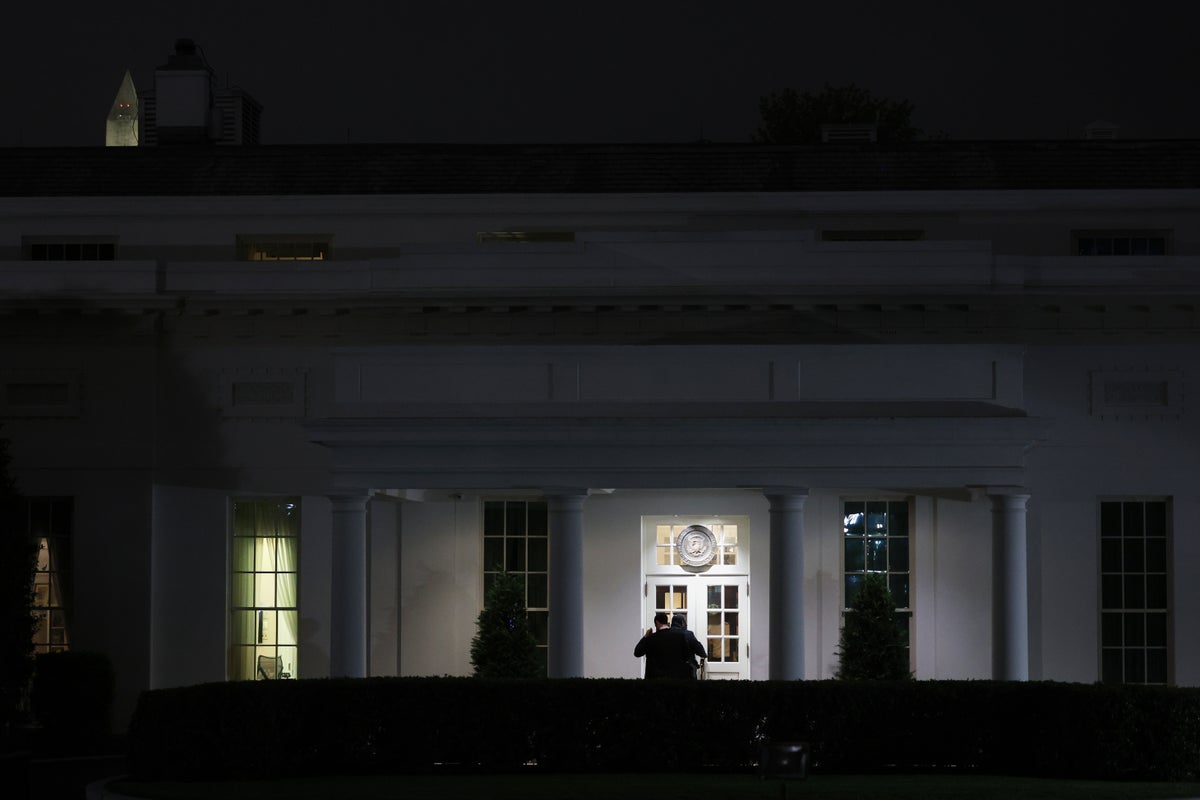
The Justice Department is currently using a dinner-party shooting as a legal crowbar to pry open a preservation lawsuit. They want the suit dropped. The preservationists want the Trump ballroom protected. Both sides are spectacularly wrong. They are fighting over the bones of a building while the actual skeleton of historical integrity turns to dust.
The "lazy consensus" here is that historic preservation is a binary choice between "protecting our heritage" and "modern security needs." It isn't. In the case of Mar-a-Lago, we are witnessing a high-stakes shell game where "preservation" has become a tax-shielding vanity project, and "security" has become a convenient excuse for federal overreach. You might also find this connected article insightful: Why China's Economic Carrots Won't Buy Taiwan in 2026.
The Ballroom Fallacy
Let’s talk about the ballroom. The National Trust for Historic Preservation and local groups act as if every square inch of gold leaf at Mar-a-Lago is a sacred relic of 1920s Palm Beach. It’s not. Most of it is a 1990s renovation.
When you fight to preserve a space that has been radically altered from its original Marjorie Merriweather Post intent, you aren't preserving history. You are preserving a billionaire’s interior design choices. I have seen developers pull this stunt for decades: slap a "historic" label on a property to snag tax credits and zoning easements, then scream "heritage" the moment anyone tries to regulate how the property is used. As discussed in latest articles by USA Today, the results are notable.
The Justice Department’s argument is equally cynical. Citing a shooting that occurred during a dinner to justify dropping a preservation suit is a classic "security theater" maneuver. They are using a tragic, isolated security breach to bypass the messy, democratic process of land-use law. It’s a shortcut. If the government can argue that "security concerns" trump "preservation easements" every time a high-profile figure moves in, then no easement in America is worth the paper it’s printed on.
The Preservation Industrial Complex
We need to stop pretending that preservation is about aesthetics. It’s about control.
- The Owner's Play: Use the National Historic Landmark status to block local development that might hurt property value.
- The Government's Play: Use the "national security" card to ignore local ordinances and environmental impacts.
- The Public's Loss: A complete lack of transparency regarding how public funds and tax breaks are being utilized for private estates.
The current legal battle ignores the most glaring contradiction: Mar-a-Lago is a private club functioning as a de facto government annex. You cannot have it both ways. You cannot claim the protections of a private residence while conducting the business of the state, and you cannot claim the sanctity of a museum while running a high-traffic hospitality business.
Stop Asking if the Ballroom Should Stay
The real question isn't whether the ballroom should be preserved. The question is why we allow the "Historic" label to be used as a political football.
If Mar-a-Lago is truly a site of national historic importance, it should be managed like one—with strict, non-negotiable standards that don't shift based on who is holding the gavel or the gun. If it’s a private club and security risk, then it’s a commercial asset. Commercial assets don't get the luxury of "historic" immunity when the laws become inconvenient.
Preservationists are currently doing more harm than good. By clinging to this lawsuit, they are forcing a precedent where "Security" will inevitably win. In American courts, $security > $aesthetic every single day. By forcing this to a head, they are giving the DOJ the perfect opportunity to establish a rule that national security concerns can dissolve any historic covenant.
The Uncomfortable Reality of Heritage
True preservation is expensive, restrictive, and usually boring. It involves $10,000$ man-hours of research to ensure a specific type of mortar is used. It doesn't involve grandstanding in federal court over a room that looks like a Versailles fever dream.
We are watching two entities—the DOJ and the Trump Organization—fight over who gets to ignore the rules. The DOJ wants to ignore the rules of the easement for "safety." The owner wants to keep the rules only as long as they provide a shield against local interference.
The downside of my perspective? It means admitting that some things aren't worth saving in their current form. It means admitting that "Historic Landmark" status has been cheapened into a membership perk for the ultra-wealthy.
If you want to save American history, stop fighting for ballrooms. Start fighting for the integrity of the designation itself. Because right now, "Historic Preservation" is just a fancy word for "Not In My Backyard" with better architecture.
Stop protecting the gold leaf and start protecting the law. If the DOJ wins this on security grounds, they haven't just won a case; they've burned down the entire concept of permanent land protection. If the preservationists win, they’ve merely succeeded in protecting a 30-year-old renovation under the guise of 100-year-old history.
Pick your poison. Both are toxic.



