The wind off the Bay of Cádiz carries the scent of salt and ancient dust. It is a Mediterranean breeze that has witnessed the passage of Phoenician traders, Roman legions, and Moorish kings. Today, it whistles through the chain-link fences of the Naval Station Rota, a sprawling expanse of gray asphalt and high-tech steel that feels like a slice of Virginia dropped onto the Andalusian coast.
Inside the wire, the atmosphere is electric. It is the hum of a superpower’s nervous system. Outside, in the sun-drenched plazas of the town, the locals sip sherry and watch the tides. Between these two worlds sits a phone line that connects Madrid to Washington, and recently, that line has been vibrating with the weight of a heavy, uncomfortable word.
No.
It is a small word, but when it travels from the Moncloa Palace in Madrid to the White House, it carries the force of a tectonic shift. Spain has made it clear: its soil and its air will not be used as a springboard for strikes against Iran. This isn’t just a diplomatic disagreement or a footnote in a geopolitical ledger. It is a moment of profound human tension, a friction point where the long-standing debts of history meet the terrifying uncertainty of a potential new war.
The Geography of a Conflict
To understand why this refusal matters, you have to look at a map through the eyes of a strategist. Logistics is the unglamorous heart of modern warfare. It’s not just about who has the fastest jets; it’s about where those jets can land, refuel, and rearm.
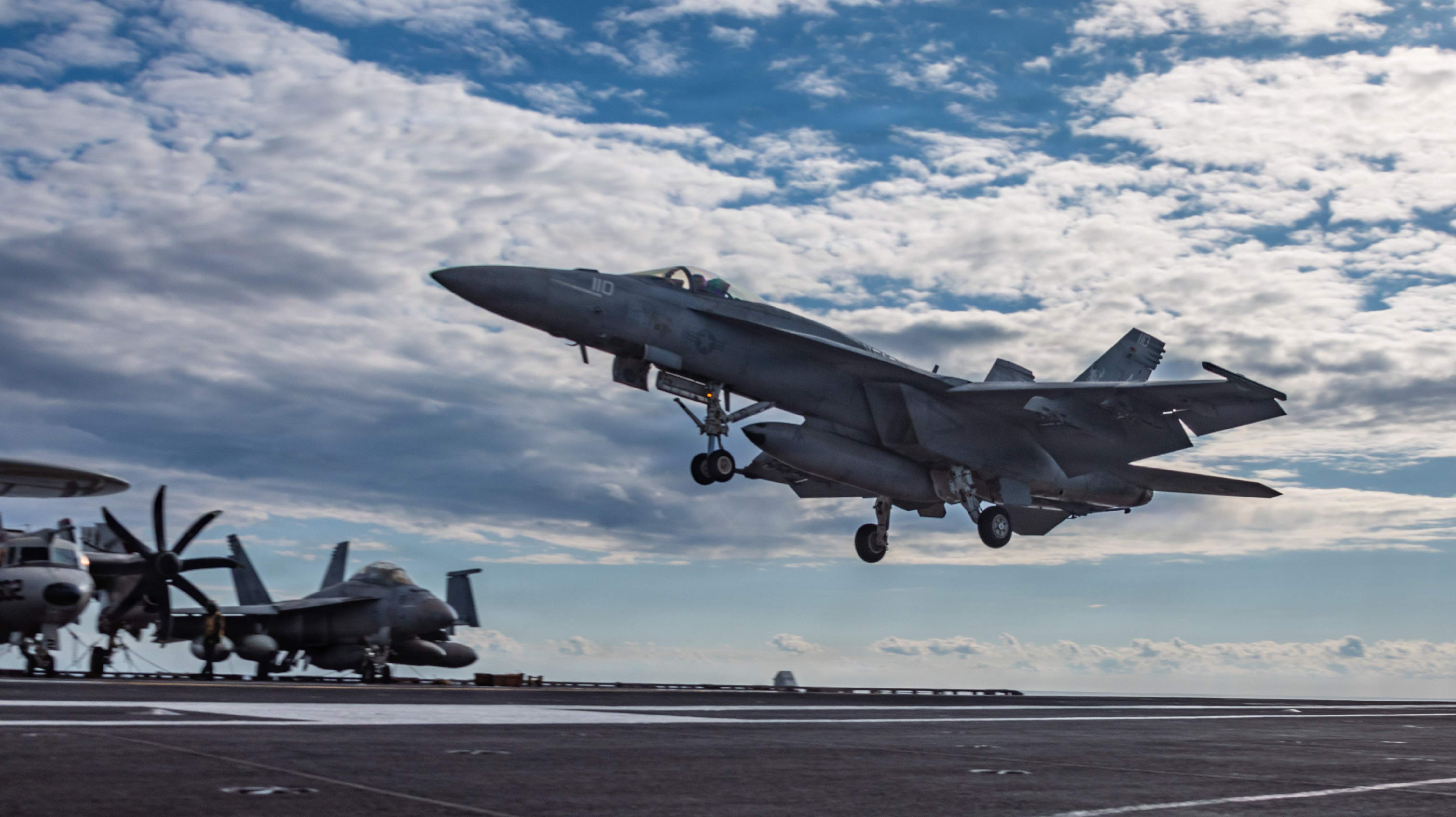
Spain occupies the ultimate strategic real estate. It is the gateway to the Mediterranean, the bridge to Africa, and the Atlantic’s front porch. The bases at Rota and Morón de la Frontera are not merely storage sheds. They are "lily pads"—points of power projection that allow the United States to reach into the Middle East with terrifying speed.
When a B-52 bomber or a fleet of transport planes needs to move toward a flashpoint in the Persian Gulf, these Spanish bases are the lungs of the operation. Without them, the flight paths become longer, more expensive, and infinitely more complicated. By denying the use of these facilities for an offensive against Tehran, Spain hasn't just sent a letter. It has pulled a vital gear out of a massive machine.
Consider the hypothetical perspective of a young logistics officer at Rota, let’s call him Miller. For Miller, a "no" from Madrid means a sleepless night of recalculating fuel loads and searching for alternative runways in countries that might be less reluctant—or more easily swayed. It means the difference between a direct flight and a zigzagging journey across a crowded, hostile sky.
The Ghost of 2003
The Spanish government’s decision isn't born from a sudden bout of pacifism. It is rooted in a deep, collective scar. In Spain, the memory of the Iraq War is not a history lesson; it is a living warning.
In 2003, the Spanish government joined the "Coalition of the Willing." They stood with Washington. The fallout was catastrophic. It led to mass protests that choked the streets of Madrid and, ultimately, contributed to the atmosphere of the tragic 2004 train bombings. The Spanish public learned a hard lesson about the price of "yes." They learned that when you provide the staging ground for someone else’s war, you inherit a share of the consequences.
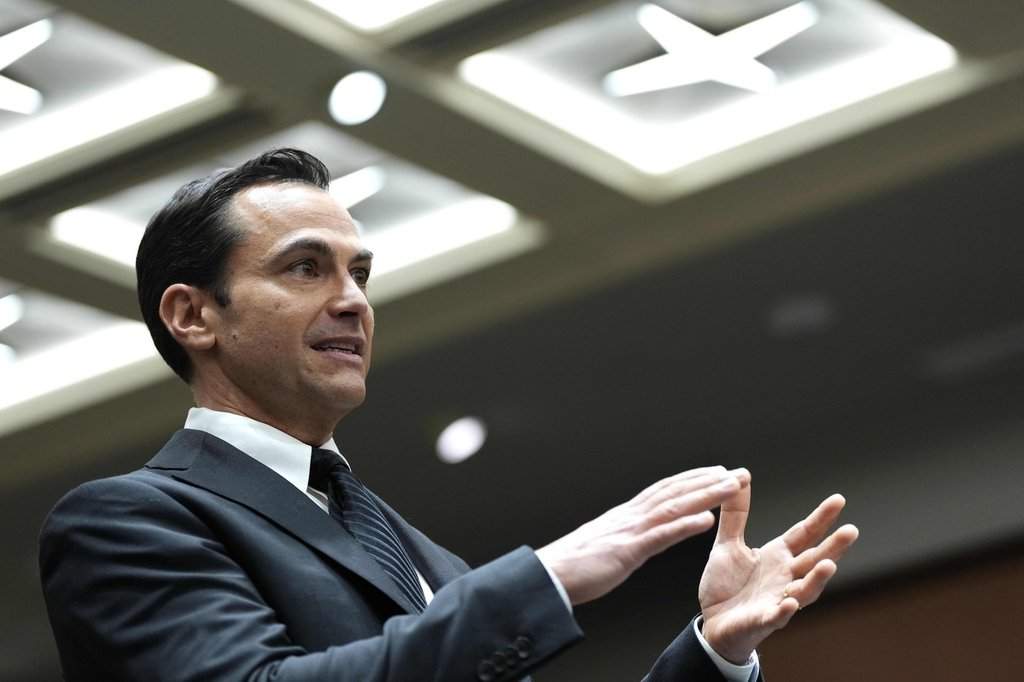
The current refusal is a reflection of that trauma. It is the sound of a democracy listening to its own heartbeat. Prime Minister Pedro Sánchez and his administration are operating in a reality where the electorate views Middle Eastern intervention with a mixture of skepticism and dread. They are choosing the stability of their own house over the demands of an old ally.
The Invisible Stakes of Sovereignty
There is a peculiar tension in being a host. Imagine a friend who stays in your guest room. They pay a bit of rent, they help with the chores, and they protect the neighborhood. But one day, they tell you they are going to use your backyard to launch rocks at a neighbor three streets over—a neighbor you don't particularly like, but one you certainly don't want to start a fire with.
Suddenly, the "rent" feels like a burden. The "protection" feels like a threat.
Spain’s refusal is an assertion of sovereignty in an era where that concept is increasingly blurred by military alliances. For decades, the presence of U.S. bases has been a cornerstone of Spanish-American relations. They bring jobs to Rota. They bring investment. But they also bring a loss of control. By drawing a line in the sand over Iran, Spain is reminding the world that being an ally is not the same as being a satellite.
It is a gamble. Washington does not take "no" lightly. The relationship between the two nations is a complex dance of intelligence sharing, trade agreements, and shared NATO obligations. When one partner stops dancing, the music gets very quiet, very quickly.
The Human Cost of the "No"
Behind the headlines, there are people whose lives are dictated by these high-level refusals. There are the Spanish soldiers who work alongside Americans every day, navigating the sudden awkwardness in the mess hall. There are the families in Rota who wonder if the base that feeds their local economy will one day be downsized because their government became "difficult."
But then, there is the other side of the human equation. There is the Spanish mother who watches the news and breathes a sigh of relief, knowing that her country’s flag won't be flying over a new desert battlefield. For her, the "no" isn't about geopolitics. It’s about the safety of the world her children will inherit.
The stakes are invisible until they aren't. They are invisible until a missile is fired or a red line is crossed. Spain is trying to keep those stakes invisible for as long as possible.
A New Architecture of Power
The world is watching this standoff because it signals a shift in the global order. For the last half-century, U.S. access to European bases was largely a given—a relic of the Cold War consensus. But that consensus is fraying.
Europe is increasingly looking inward, or perhaps just looking at the world through a different lens than Washington. Whether it's climate change, trade with China, or the looming specter of Iran, the interests of the Old World and the New World are diverging. Spain’s refusal is a symptom of a larger movement toward "strategic autonomy." It’s a fancy term for a simple idea: Europe wants to be able to make its own mistakes, rather than being dragged into someone else's.
This doesn't mean the alliance is dead. Far from it. Rota will remain a vital hub for anti-submarine warfare and Mediterranean patrols. The ships will still dock; the sailors will still buy their tapas in the town square. But the terms of the lease have changed. The fine print has been underlined in red ink.
The Echo in the Bay
As the sun sets over the Bay of Cádiz, the gray silhouettes of destroyers are etched against a bruised purple sky. They look immovable. They look like the final word in any argument.
But power is a liquid thing. It flows through treaties, yes, but it also flows through the will of a people to say "enough." Spain has stood on its sun-drenched shores and looked across the water toward the Middle East, then looked back at its own history, and decided that the risk of silence is greater than the risk of defiance.
The refusal to allow the use of these bases is more than a diplomatic hurdle for the United States. It is a reminder that even the most powerful military machine in history must eventually ask for permission. And in the modern world, permission is no longer a guarantee.
The wind continues to blow through Rota, indifferent to the tension. The salt air will eventually corrode even the strongest steel. But the memory of a nation choosing its own path—that is something far more permanent. The "no" has been spoken. Now, the world waits to see what the silence that follows will bring.
Spain has chosen its peace. Whether that peace can survive the coming storm is a question that no strategist, no matter how many maps they hold, can truly answer.