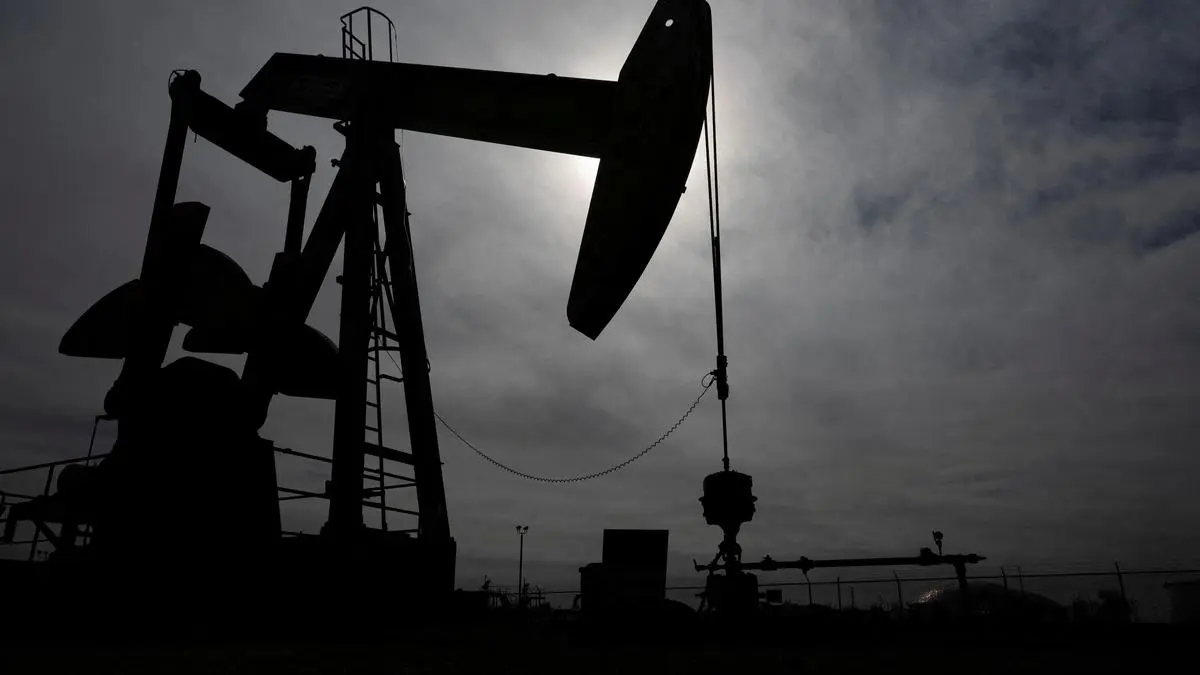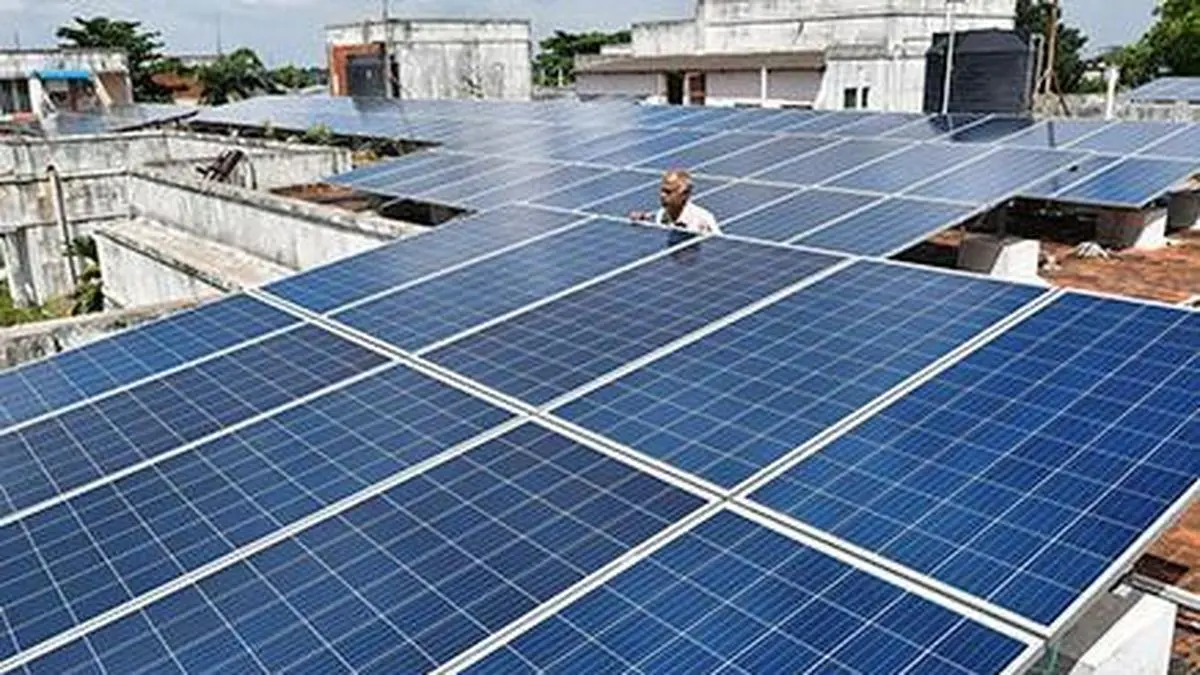
Geopolitical volatility in the Middle East is the oldest trick in the book for energy speculators. Every time a missile flies near the Strait of Hormuz, the same chorus of analysts starts singing about the "inevitable pivot" to renewables. They look at a fuel price spike and see a catalyst for solar adoption in Asia. They see a shortcut to energy independence.
They are wrong. You might also find this similar coverage insightful: Crude Oil Deficits and the Geopolitics of Iran An Analysis of IEA Market Projections.
The narrative that high oil prices act as a permanent propellant for solar sales is a shallow reading of a complex, fractured market. It ignores the crushing reality of capital costs, the fragility of the semiconductor supply chain, and the fact that an energy crisis often chokes the very industries required to build a green infrastructure. If you think a regional war in the Middle East is the "green light" for an Asian solar revolution, you aren't looking at the balance sheets. You're looking at a brochure.
The Cost of Capital Is a Solar Killer
Solar power has a dirty little secret: it is incredibly sensitive to the cost of money. Unlike a gas turbine, where your biggest expense is the fuel you buy over twenty years, solar is an "all-in" upfront bet. You pay for twenty years of power on day one. As discussed in recent articles by CNBC, the results are notable.
When regional instability drives up oil prices, it doesn't just make gas more expensive at the pump. It creates a massive inflationary shock. Central banks react to that inflation by hiking interest rates or keeping them high to stabilize currencies. This destroys the math for large-scale solar projects in developing Asian economies like Vietnam, Indonesia, or India.
In these markets, the Weighted Average Cost of Capital (WACC) is the only metric that matters. If the cost of borrowing climbs by even 2%, the "savings" from avoided fuel costs vanish. I’ve watched developers in Jakarta walk away from shovel-ready projects because the financing evaporated the moment the market got jittery. Expensive oil makes solar more difficult to build, not less, because it makes the money required to build it prohibitively expensive.
The Myth of Energy Independence
The competitor piece argues that Asia is "energy-hungry" and looking for an out. The assumption is that solar provides a shield against foreign interference. This is a fundamental misunderstanding of how the modern world works.
Switching from Middle Eastern oil to solar panels isn't achieving independence; it’s just trading one master for another.
The solar supply chain is more concentrated than the oil market ever was. China controls roughly 80% of every stage of solar manufacturing—from polysilicon production to finished modules. If you are a policymaker in Manila or Bangkok, you aren't "securing" your energy future by pivoting to solar during a war; you are shifting your vulnerability from the Persian Gulf to the South China Sea.
True energy security requires a diversified mix, not a frantic sprint toward a single technology that relies on a geopolitical rival for every replacement part. When the "fuel price spike" hits, governments aren't thinking about the 2050 net-zero target. They are thinking about how to keep the lights on tonight. Usually, that means burning more coal or subsidizing existing fuel costs, not waiting eighteen months for a solar farm to come online.
Inflation Eats the Efficiency Gains
Let’s talk about the hardware. Solar advocates love to cite Swanson’s Law—the observation that the price of solar modules drops as cumulative production increases. It’s a beautiful curve on a graph. But in the real world, that curve just hit a brick wall called "input costs."
A solar panel is essentially a sandwich of glass, aluminum, silver, and silicon. To make those components, you need massive amounts of energy. When energy prices spike due to war, the cost of manufacturing solar panels goes up.
- Aluminum: Smelting is an energy-intensive nightmare. If electricity prices rise, aluminum prices skyrocket.
- Glass: Melting silica requires constant, high-heat furnaces usually powered by natural gas.
- Logistics: Shipping these bulky, fragile components across the ocean requires bunker fuel—the very stuff that’s currently spiking in price.
The "fuel price spike" actually makes solar panels more expensive to produce and deliver. We are seeing a scenario where the "payback period" for a solar installation stays stagnant because the cost of the hardware is rising in lockstep with the cost of the electricity it's supposed to replace. The "sales power" mentioned by the competition is actually a desperate scramble to secure inventory before prices climb even higher. It’s panic buying, not a structural shift.
The Intermittency Trap in Energy-Hungry Markets
The term "energy-hungry Asia" is accurate, but the solution offered is flawed. Asia’s tiger economies don't just need power; they need baseload power. They need the kind of electricity that runs a 24/7 semiconductor fab or a massive textile mill.
Solar, without massive and currently unaffordable battery storage, cannot do this.
In a period of war-induced economic stress, the "intermittency tax" becomes unbearable. Every megawatt of solar added to a grid in a country like Bangladesh requires a nearly one-to-one backup of "firm" power—usually gas or coal. If gas is at record highs because of a war in Iran, adding more solar actually increases the strain on the grid because the system must maintain expensive, spinning reserves of fossil fuels to catch the load when a cloud passes over or the sun goes down.
Stop Asking if Solar is Winning
The question isn't whether solar is "growing." It is. The question is whether it is solving the specific problem created by a Middle Eastern war.
If you are an investor, you should be wary of the "fuel spike" narrative. The real winners in this environment aren't the companies selling residential rooftop panels to panicked homeowners. The winners are the ones managing the brutal logistics of the transition: grid-scale storage providers, high-voltage transmission builders, and, quite frankly, the traditional energy companies that have the cash flow to weather the high-interest-rate environment.
The "lazy consensus" says: Oil up, Solar up.
The reality says: Oil up, Inflation up, Interest Rates up, Capex down.
I have seen projects in Thailand shelved because the "fuel price spike" made the local currency lose 10% of its value against the USD, making the imported Chinese panels 10% more expensive overnight. That is a hurdle no amount of "green enthusiasm" can clear.
The Hard Truth for Policy Makers
If you want to actually insulate an economy from a war-driven fuel spike, you don't do it by subsidizing solar panels during the crisis. You do it by building a resilient, multi-modal energy system five years before the crisis happens.
Attempting to "pivot" while the fire is already burning is a recipe for wasted capital and stranded assets. The solar surge we are seeing right now in Asia is largely a result of orders placed two years ago, finally clearing customs. It is not a direct response to the current conflict. Attributing it to the "Iran war fall-out" is a classic case of confusing correlation with causation.
The solar industry in Asia is facing a reckoning. As the "cheap money" era ends and geopolitical tensions make supply chains more brittle, the easy growth is over. The companies that survive won't be the ones riding the wave of high oil prices; they'll be the ones that can figure out how to build projects when the cost of capital is 8% and the cost of glass is up 30%.
Stop buying the hype. Start looking at the WACC.