The air inside T-Mobile Arena doesn't just vibrate; it bruises. They call it the Fortress for a reason. When the Vegas Golden Knights are at home, the atmosphere is a relentless assault of neon, knightly pageantry, and a level of decibels that makes your teeth ache. But for the Anaheim Ducks, Game 5 wasn't about the noise. It was about the crushing, sudden vacuum that follows it.
Hockey is a game of inches, sure. But at this level, in the postseason, it is actually a game of heartbeats. You can feel the collective pulse of twenty thousand people sync up with the rhythmic thud of rubber against the boards. Then, in one singular moment of overtime, that pulse stops.
The Weight of the Sweater
To understand what happened in Game 5, you have to look past the box score. You have to look at the faces in the Ducks' locker room. These aren't just names on a roster like Lukas Dostal or Troy Terry; these are men who have spent eight months living out of suitcases, icing joints that scream in protest every morning, all for the chance to keep playing for just one more week.
There is a specific kind of exhaustion that sets in during a playoff series. It’s a physical debt that can’t be repaid with a nap or a protein shake. It settles in the marrow. By the time the puck dropped for the first period, the Ducks were already skating against the ghost of Game 4. They were fighting the realization that their margin for error had evaporated.
Vegas plays a brand of hockey that feels like being chased by a landslide. They are heavy. They are fast. They don't just beat you; they wear you down until your lungs feel like they’re filled with wet sand.
The Wall in the Crease
Lukas Dostal stood in that crease like a man trying to hold back the tide with a broom. Imagine standing in a small corridor while frozen rubber disks are fired at you at eighty miles per hour. Now imagine doing that while six-foot-four athletes are trying to screen your vision, hack at your shins, and knock you off your balance.
Dostal was spectacular. He was the only reason the "standard" version of this story isn't a blowout.
Every save he made wasn't just a statistic; it was a stay of execution. You could see the desperation in the way he smothered rebounds, the way he stretched his pads until it seemed his hip joints might snap. He was playing for the guys in front of him who were struggling to find their legs. He was playing for a city that has seen too many early exits lately.
But the problem with playing the hero in hockey is that you have to be perfect every single second. The opposition only has to be lucky once.
The Anatomy of the End
Overtime is a different sport entirely. The rules change, not on the books, but in the mind. The ice becomes tilted. Every pass carries the weight of a season's worth of work. If you miss a connection in the first period, you have forty minutes to fix it. If you miss a connection in overtime, you might be booking a flight home by midnight.
The Golden Knights don't panic. That is their greatest weapon. While the Ducks were scrambling, fueled by the frantic adrenaline of survival, Vegas moved with the chilling precision of a team that knew exactly how this was going to end. They moved the puck with a casual, almost insulting confidence.
The sequence that ended the game started with a seemingly harmless puck battle along the boards. In the regular season, that play is forgotten ten seconds later. In Game 5, it was the first domino.
A tired defenseman reaches just an inch too far. A winger misses his assignment by a fraction of a second because his legs are burning. The puck finds a seam.
The sound of the puck hitting the back of the net is different in overtime. It doesn't sound like a goal. It sounds like a door slamming shut.
The Long Walk Back
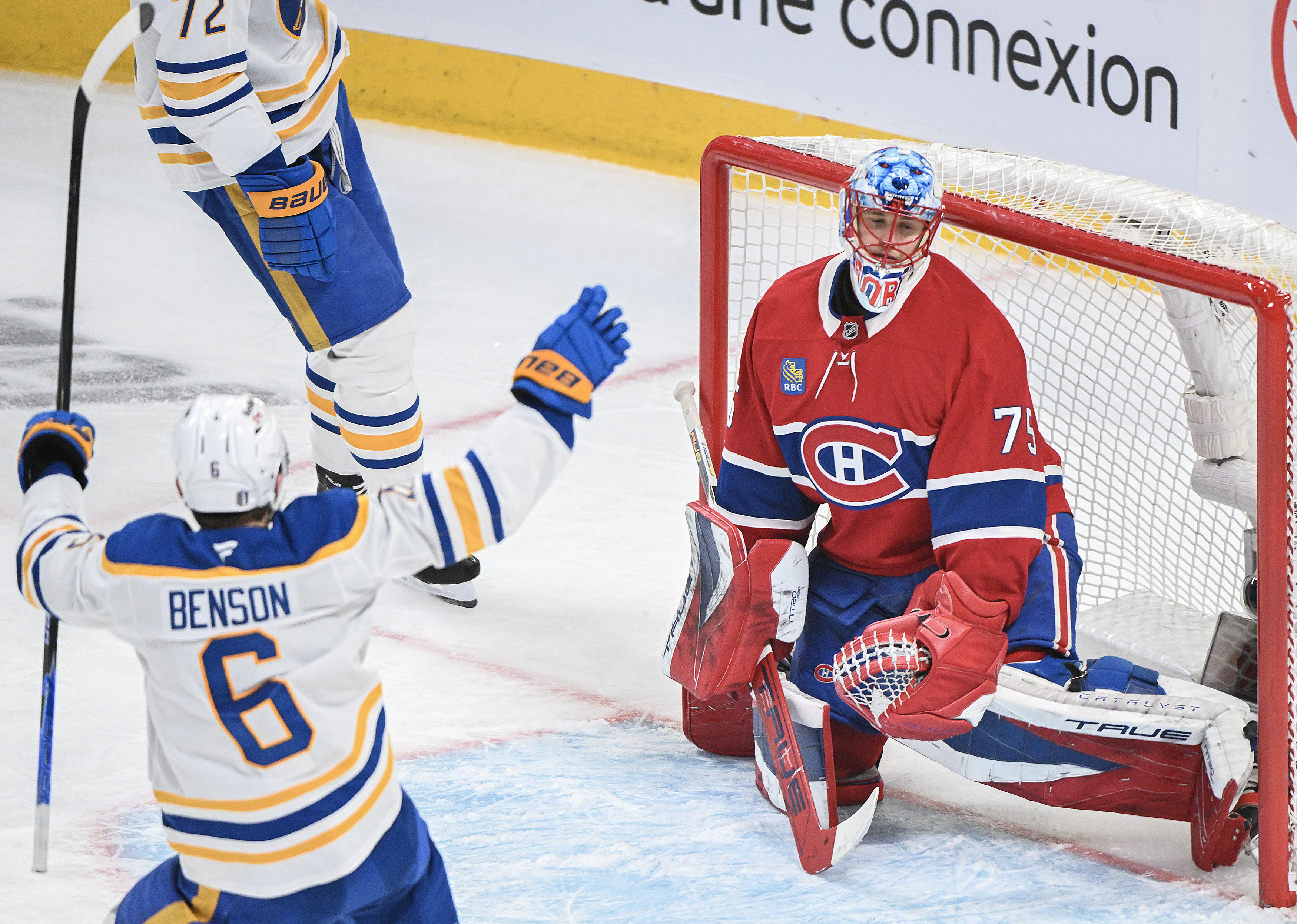
The Golden Knights erupted. The lights flashed, the siren wailed, and the Fortress became a jubilant chaotic mess of gold jerseys and flying beer. But if you shifted your gaze away from the celebration, you saw the Ducks.
They didn't look angry. They looked hollow.
Hockey players have a specific ritual after a series-ending loss. They skate over to the goalie, a brief tap on the pads, a wordless acknowledgement of the war they just lost. Then they head for the tunnel. That walk from the ice to the locker room is the longest distance in professional sports. It is a transition from being a warrior in the heat of battle to being a person who suddenly has nothing to do tomorrow.
The equipment managers start packing the bags. The trainers start peeling back the tape from ankles and wrists. The silence in that room is so thick you could cut it. It’s the sound of an ending.
Beyond the Box Score
We talk about sports in terms of wins and losses, but that’s a clinical way to look at a tragedy. And make no mistake, for the men in that room, it is a tragedy. They have sacrificed holidays, birthdays, and the structural integrity of their own bodies for a dream that just turned into a ghost.
The Golden Knights move on because they were deeper, healthier, and perhaps just a bit more cynical in their execution. They knew how to wait for the Ducks to beat themselves. They knew that if they kept the pressure high enough, eventually, the human element would fail. A mistake would be made.
The Ducks didn't lose because they didn't care. They lost because they are human, and in the high-altitude, high-stakes environment of the NHL playoffs, being human is the one thing you aren't allowed to be.
As the lights dimmed in the arena and the last of the fans filtered out into the humid Nevada night, the ice remained. Scratched, scarred, and covered in the debris of a season that had just reached its hard stop. The scoreboard showed the finality of it, but the scoreboard can't tell you about the heaviness in a captain's chest or the way a rookie stares at his skates, wondering if he'll ever get that close again.
The game is over. The noise has stopped. All that's left is the cold.