Nigeria is baking under a relentless heatwave that’s pushing thermometers past 44°C in places like Sokoto. If you're living in Lagos or Abuja right now, you don't need a weather app to tell you it's brutal. You feel it the moment you step outside. But this isn't just a weather story. It’s a story about how a war thousands of miles away in the Middle East is making it nearly impossible for the average Nigerian to find any relief from the sun.
The math of staying cool has fundamentally changed in April 2026. Usually, when the heat gets this bad, you'd crank up the fan or the AC. Now? That simple act of self-preservation is draining bank accounts faster than ever. Discover more on a connected topic: this related article.
The lethal combo of high heat and high prices
We’re seeing a "triple crisis" hit the streets. First, the temperatures are record-breaking. Second, the national grid is doing what it usually does—collapsing under pressure. Third, the cost of the fuels we use to bypass that grid—gas and petrol—is skyrocketing because of the conflict involving Iran, Israel, and the US.
When the Strait of Hormuz becomes a "no-go zone," global energy markets freak out. Since late February 2026, Brent crude has jumped past $102 per barrel. For a country like Nigeria that imports almost all its refined petroleum, that means immediate pain at the pump. You're paying more to fuel the generator that keeps your fan spinning while you sleep. Additional analysis by MarketWatch highlights similar views on this issue.
It’s a cruel irony. Just as the Nigerian Midstream and Downstream Petroleum Regulatory Authority (NMDPRA) bumped up domestic gas prices to $2.18 per MMBTU this April, the global market went into a tailspin. This isn't just a "small increase" on paper. It filters down to everything. Your electricity bill isn't just a number; it’s now a choice between eating well or sleeping without sweating through your sheets.
Why your generator is eating your savings
Think about the last time you filled your "I-pass-my-neighbor" or that big diesel gen. Petrol prices aren't just high; they're volatile. Because the government removed the fuel subsidy, pump prices now track global oil markets in real-time.
- Global Crude Spikes: Oil is up over 15% since the Iran conflict started.
- Logistics Chaos: Shipping insurance has gone up 70% in the Persian Gulf.
- Domestic Shortfalls: Nigeria still struggles to hit its oil production targets, meaning we don't even get the full "benefit" of high global prices to cushion the blow.
If you're running a small business—maybe a barbershop or a small cold room—your margins are disappearing. You can't just double your prices because your customers are also struggling with 15.38% inflation. People are cutting back. They're choosing "half-current" over full AC, or just sitting in the dark hoping for a breeze that never comes.
The health cost nobody is talking about
Heat isn't just uncomfortable. It’s a "silent killer." Doctors in Abuja are seeing a spike in heat exhaustion, dehydration, and even meningitis. When it's 40°C outside and you can't afford to run a fan, your body doesn't get a chance to recover.
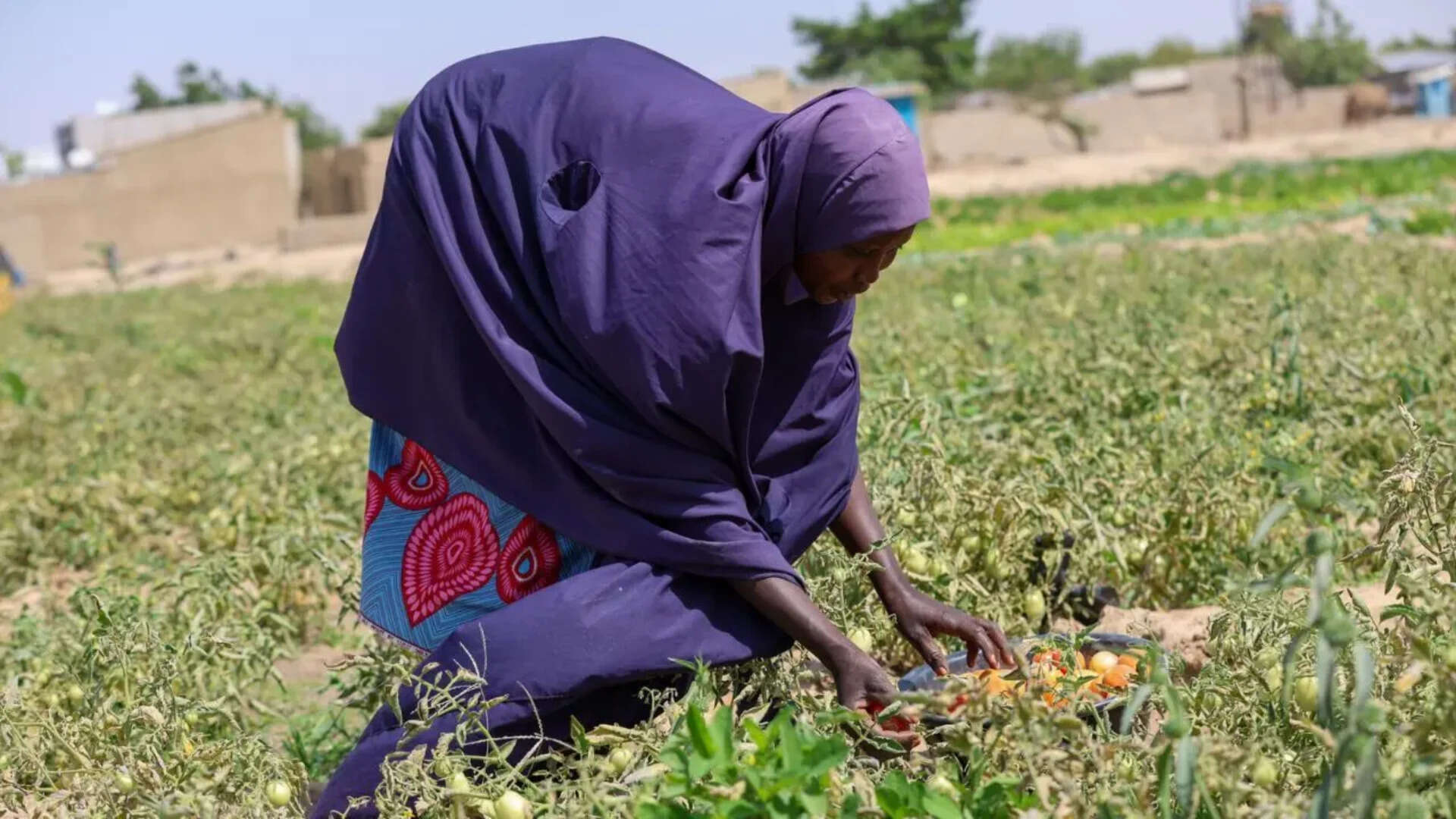
There’s also a massive hit to productivity. It's hard to focus on a spreadsheet or a trade when your brain feels like it’s simmering. Schools are seeing kids struggle to concentrate. Farmers are watching crops wilt and livestock die from heat stress. This isn't just a temporary bad mood; it’s a systematic drain on the country's GDP.
The energy debt trap
Nigeria’s power sector is currently buried under a mountain of debt. Power companies owe gas suppliers about ₦3.3 trillion. Meanwhile, the government owes those same power companies around ₦6.5 trillion. When you add the rising cost of gas due to the global energy shock, the grid becomes even more fragile.
We’re essentially in a situation where the infrastructure can't handle the demand, and the fuel to provide an alternative is becoming a luxury item. It’s a bottleneck that leaves the average person stuck in the middle.
How to manage the heat without going broke
Honestly, there's no magic wand here, but you have to be tactical. If you're waiting for the grid to stabilize or petrol prices to drop to 2023 levels, you're going to be waiting a long time.
- Prioritize Ventilation over Power: If you're building or renovating, invest in cross-ventilation. It sounds basic, but many modern Nigerian apartments are "heat traps" designed for permanent AC that the owners can no longer afford to run.
- Solar is no longer "optional": For middle-class households, a small solar inverter system for fans and lights is becoming a survival tool. The upfront cost is painful, but with petrol hitting new highs every week, the "payback period" is getting shorter.
- Change your schedule: Do the heavy lifting early in the morning or late at night. The peak heat between 10 am and 6 pm is when your body (and your appliances) will work the hardest and cost the most.
The conflict in the Middle East might feel like a world away, but every time a drone hits a facility in the Persian Gulf, the price of staying cool in Kano or Port Harcourt goes up. We're living in a hyper-connected world where a heatwave in West Africa and a war in the Middle East are two sides of the same coin.
Stop thinking of the energy crisis as a separate issue from the weather. They're the same problem now. Plan your budget around the sun, because the sun isn't taking a break, and the global oil market certainly isn't either.