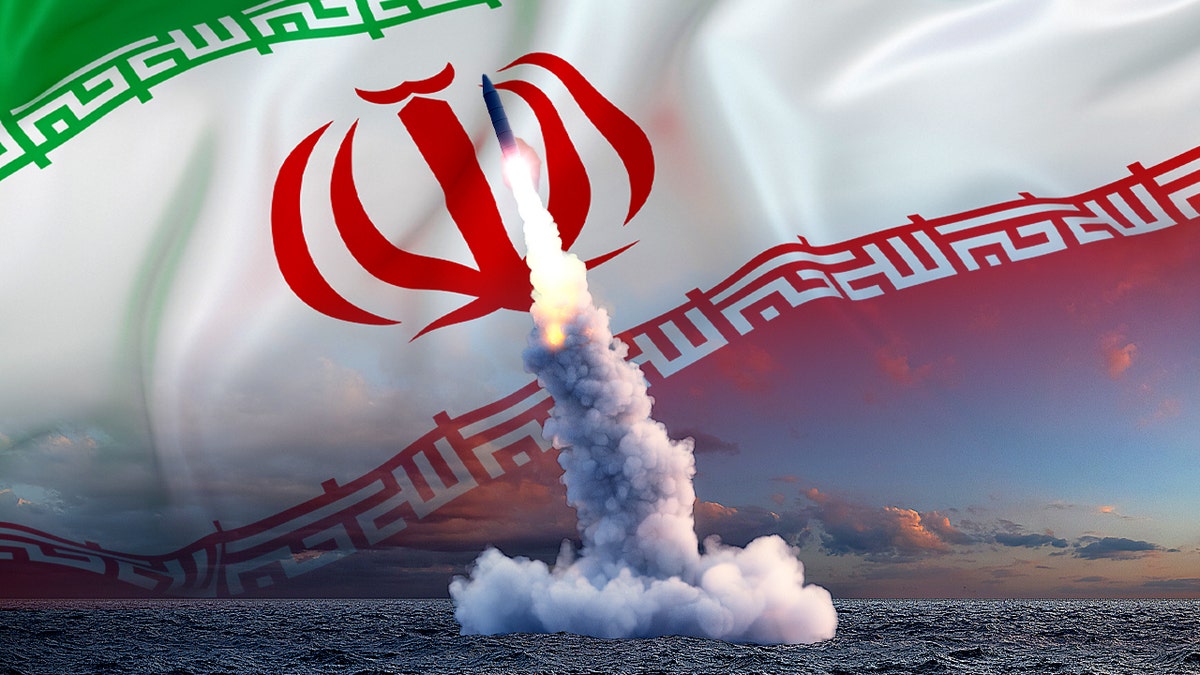
Washington is currently vibrating with a brand of chest-thumping bravado that belongs in a 1990s history book. Secretary of State Marco Rubio’s recent declarations regarding the Strait of Hormuz—insisting the US will never tolerate Iran "normalizing" tolls or control over the passage—isn't just tough talk. It is a fundamental misreading of the modern energy board.
The consensus view, echoed by every beltway analyst and cable news pundit, is that the US military remains the guarantor of global energy flow. They tell you that if Iran starts charging "transit fees" or harassing tankers, the Fifth Fleet simply sails in, clears the lanes, and everything returns to the status quo.
They are wrong.
The status quo died a decade ago. We are now living in an era where the cost of "securing" the Strait is rapidly exceeding the value of the oil passing through it for the American taxpayer. Rubio’s rhetoric ignores the brutal reality: Iran doesn't need to win a war to win the Strait. They only need to make it too expensive for the West to stay.
The Myth of the Unobstructed Waterway
Every maritime law expert loves to cite the United Nations Convention on the Law of the Sea (UNCLOS). They point to "transit passage" as a sacred right. But here is the dirty secret of geopolitics: laws only exist if you have the will and the wallet to enforce them daily.
Iran’s strategy isn't about a sudden, catastrophic blockade. That would be a suicide mission. Instead, they are pursuing "gray zone" normalization. By incrementally increasing "inspections," demanding "environmental fees," and forcing ships to navigate through Iranian-controlled lanes, they are essentially privatizing a global commons.
The US response? We send billion-dollar destroyers to play cat-and-mouse with $50,000 suicide drones and speedboats. This is an asymmetric nightmare. I’ve watched defense contractors salivate over these escalations because it justifies another decade of carrier group funding. But from a strategic standpoint, we are using a gold-plated hammer to swat flies.
Energy Independence is a Double-Edged Sword
The most common "People Also Ask" query is: Why does the US care about Hormuz if we produce our own oil? The standard answer is that oil is a global fungible commodity. If Hormuz closes, global prices spike, and American voters get angry at the pump. This is the logic Rubio is leaning on. It’s the logic of fear.
But look at the data. The primary beneficiaries of a stable Strait of Hormuz aren't in Ohio or Florida. They are in Beijing, Tokyo, and Seoul. Over 70% of the crude oil moving through that 21-mile-wide chokepoint is headed for Asian markets.
We are effectively subsidizing the energy security of our greatest economic rivals.
Imagine a scenario where the US simply stopped acting as the world’s free security guard. The immediate result? A massive price hike. The long-term result? China is forced to shoulder the massive, dirty, and expensive burden of policing the Persian Gulf. By insisting that we "will not tolerate" Iranian interference, Rubio is essentially volunteering the US military to continue providing a free service to the People's Liberation Army Navy.
The Insurance Trap
Security isn't just about ships; it’s about math. The real war for Hormuz is being fought in the boardrooms of Lloyd’s of London.
When Rubio makes these statements, he thinks he is projecting strength. In reality, he is signaling volatility. Every time a US official draws a line in the sand, maritime insurance premiums for the region twitch.
We talk about "freedom of navigation," but if the War Risk Surcharge makes it uneconomical to sail, the passage is closed regardless of how many carriers we have in the water. Iran knows this. They don't need to sink a ship; they just need to make the idea of sinking a ship credible enough that the bean counters in London do the work for them.
The conventional wisdom says we must project power to keep costs low. The contrarian reality is that our very presence creates a friction point that keeps costs high and volatile.
Precision Strike vs. Mass Production
We need to stop pretending it’s 1988. During "Operation Praying Mantis," the US Navy decimated the Iranian fleet in a single afternoon. It was a clean, kinetic victory.
Today, Iran possesses the largest and most diverse missile arsenal in the Middle East. More importantly, they have mastered the art of the "swarm."
If conflict breaks out, the US will be forced to use $2 million interceptors to take down $20,000 drones. We can't win that math. Even if we "win" the engagement, we lose the treasury. Our defense industrial base is currently struggling to keep up with existing conflicts; a sustained campaign in the Strait would deplete our precision munitions in weeks, not months.
Stop Policing the Past
The "lazy consensus" says we must maintain dominance in the Persian Gulf to remain a superpower.
I argue the opposite: To remain a superpower, we must stop hemorrhaging resources on a region that is increasingly irrelevant to our direct energy needs.
Rubio’s stance is a gift to Iran. It gives them a high-profile enemy to rally against and keeps the US distracted from the Pacific and the Arctic—the real theaters of the 21st century.
Instead of threatening to "not tolerate" normalization, we should be pivoting the cost of that tolerance onto the nations actually burning the oil. If China wants the oil to flow, let China send the carriers. If India needs the gas, let India negotiate the tolls.
The American era of the Persian Gulf is over. We can leave gracefully and let our rivals inherit the headache, or we can follow Rubio’s lead and go broke trying to guard a puddle that doesn't belong to us.
Pack up the Fifth Fleet. Let the regional powers figure out their own tolls. We have better things to do.