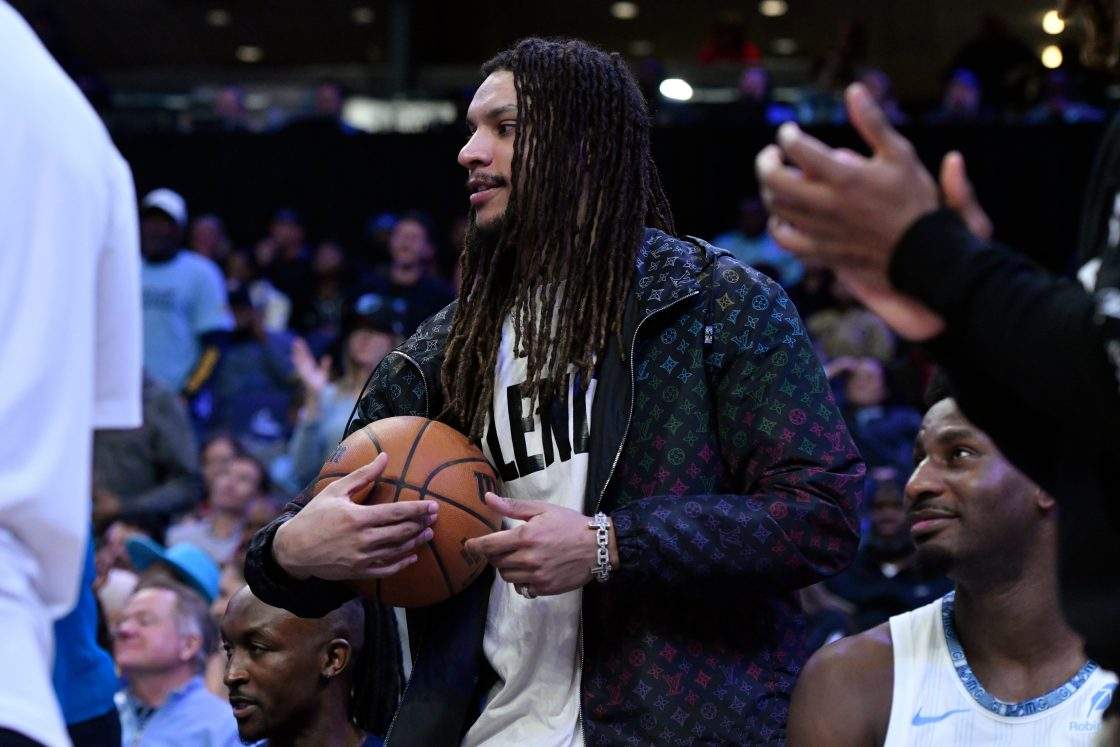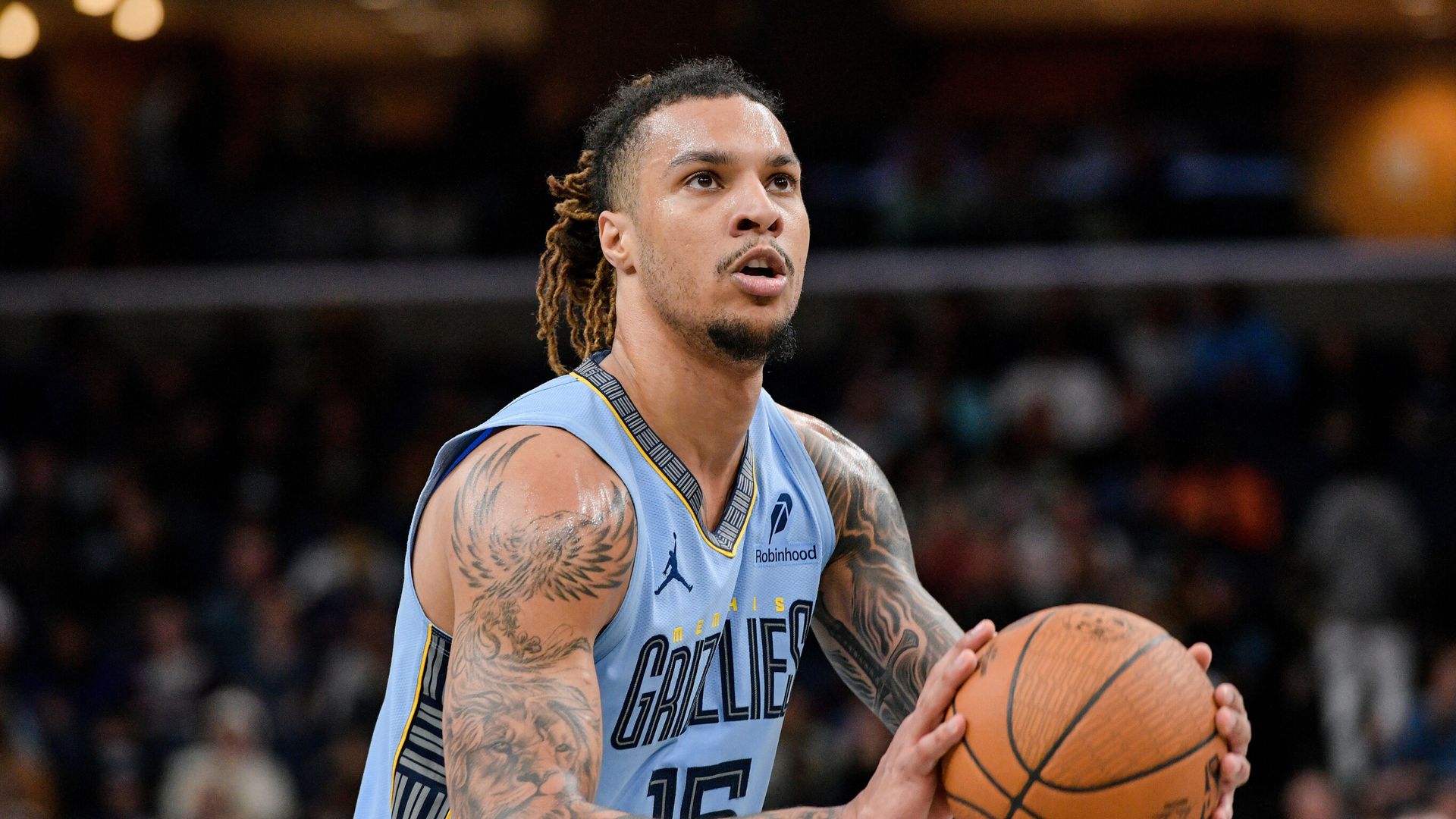
The sudden mortality of an elite professional athlete at age 29 represents more than a personal tragedy; it is a critical failure in the predictive modeling of sports medicine and the management of high-value human assets. When a peak-condition athlete collapses, the discrepancy between visible physical prowess and underlying physiological stability points to a systemic blind spot in how we measure "health" versus "performance." In the case of this NBA athlete, the loss of a prime-age player necessitates a cold-eyed examination of the biological stressors unique to the modern basketball ecosystem and the limits of current biometric monitoring.
The Biological Load of the 82 Game Cycle
The NBA schedule imposes a physiological tax that differs fundamentally from other professional sports. The combination of hyper-specialized physical frames—often exceeding 2.0 meters in height—and high-frequency aerobic and anaerobic bursts creates a specific risk profile. We categorize the stressors into the following vectors:
- Circadian Disruption and Systemic Inflammation: Constant travel across time zones suppresses melatonin production and elevates cortisol levels. Sustained cortisol elevation inhibits the immune response and masks the early warning signs of cardiovascular strain.
- The Hypertrophy Paradox: The drive for increased muscle mass to withstand the physical nature of the post-season puts an exponential demand on the heart. For every kilogram of additional muscle, the vascular system must support miles of new capillaries, often without a proportional increase in heart volume or efficiency.
- Electrolyte Sequestration: High-intensity play leads to rapid depletion of magnesium and potassium. In athletes with undiagnosed ion channelopathies, this depletion acts as a trigger for cardiac arrhythmia.
[Image of the human cardiac conduction system]
Categorizing Cardiac Risk in Tall-Frame Athletes
The medical community often relies on the "Athlete’s Heart" diagnosis—a benign enlargement of the ventricles—to explain away anomalies in EKG readings. However, this creates a significant diagnostic lag when differentiating between healthy adaptation and Hypertrophic Cardiomyopathy (HCM).
The risk functions for NBA players are driven by three primary variables:
- Genomic Predisposition: Genetic markers for Marfan Syndrome or Long QT Syndrome often remain dormant until triggered by extreme physical exertion.
- Viral Myocarditis Residuals: Modern professional sports have seen an uptick in "silent" myocarditis—inflammation of the heart muscle following common viral infections. When an athlete returns to play before full cellular recovery, they operate with a scarred myocardium that is susceptible to sudden failure.
- Therapeutic Intervention Thresholds: The use of NSAIDs for pain management and stimulants for focus can alter heart rate variability (HRV), making it harder for team physicians to detect genuine distress signals through standard wearable tech.
The Failure of Current Monitoring Frameworks
Professional teams invest millions in GPS tracking and "load management," yet these systems are largely external. They measure distance covered, jump height, and sprint velocity. They do not sufficiently quantify the internal cost of that movement.
The current bottleneck in sports science is the Temporal Gap in Data Acquisition. A player may show "green" on a morning readiness survey and HRV check, but encounter a lethal physiological event during the high-stress environment of the fourth quarter. This suggests that the baseline for "readiness" is calibrated to average performance rather than the edge cases of maximum exertion.
To evolve, the league must move toward continuous, real-time metabolic monitoring. Current wearable tech is restricted to external vests or wristbands; the next iteration of athlete protection requires subcutaneous biosensors that can track troponin levels—the protein released when heart muscle is damaged—in real-time during competition.
The Economic and Strategic Impact of Prime-Age Loss
From a front-office perspective, the death of a 29-year-old player is the ultimate "black swan" event. The valuation of an NBA franchise is tied heavily to its roster’s projected Win Shares and the amortization of long-term contracts.
When a player in their peak years (generally defined as ages 24-30) is removed from the ecosystem, it triggers a cascade of negative externalities:
- Salary Cap Rigidity: While insurance may cover the physical payment of a contract, the "dead money" or the loss of the slot can paralyze a team's ability to pivot in the free-agent market.
- Asset Depletion: Unlike a trade, which returns value in the form of picks or players, sudden mortality is a total loss of the initial investment (draft capital and development hours).
- Psychological Contagion: The performance of the remaining 14 players on the roster typically regresses toward the mean as the "stability of the unit" is compromised.
The Mechanism of Sudden Cardiac Death in Basketball
In the majority of these instances, the mechanism is Ventricular Fibrillation. The heart's electrical system becomes chaotic, and the muscle quivers rather than pumping blood. In a 29-year-old athlete, this is rarely caused by clogged arteries (the standard "heart attack"). Instead, it is almost always an electrical or structural flaw that has been exacerbated by the high-pressure environment of professional sports.
The "Golden Window" for survival is less than three minutes. The presence of Automated External Defibrillators (AEDs) at courtside is mandatory, but their efficacy is limited by the speed of the medical staff's recognition of the event. We see a recurring pattern where a player collapses and the initial response is to treat it as a lower-extremity injury (cramp or tendon tear) before realizing the issue is systemic.
Structural Improvements for Athlete Longevity
The strategy for preventing future loss of life among elite performers must shift from reactive to proactive. This requires a three-pillar approach to health management.
I. Advanced Imaging Protocols
Standard physicals are insufficient. The league must mandate Cardiac MRIs (cMRI) for every player entering the league and repeat them every 24 months. Echo-cardiograms often miss the subtle scarring or "fatty infiltration" that a cMRI can detect.
II. The Integration of "Biometric Custodians"
Currently, team trainers report to the General Manager. This creates a conflict of interest where performance goals may override medical caution. An independent medical auditor, paid by the league and not the team, should have the unilateral authority to "bench" a player based on biometric red flags.
III. Refined Load Management Definitions
Load management must move away from simply "resting stars" to resting players based on biological age and cardiovascular history. A 29-year-old with a family history of hypertension requires a different recovery protocol than a 21-year-old with no such markers, even if their "on-court load" is identical.
The loss of this athlete serves as a grim data point in a trend of increasing physical demands on the human body. As the pace of play (possessions per 48 minutes) continues to rise, the margin for physiological error shrinks.
The league must immediately declassify all historical biometric data (anonymized) to allow third-party researchers to build a more robust predictive model for cardiac events. Relying on internal team doctors to spot these patterns is no longer a viable risk-management strategy. The goal is to move from "reacting to the collapse" to "predicting the arrhythmia" weeks before it occurs.
Investment must be redirected toward identifying the "silent" markers of exhaustion that standard EKG and stress tests fail to capture. This includes longitudinal tracking of systemic inflammation and a stricter enforcement of the "return to play" window following even minor illnesses. The durability of the league is inextricably linked to the biological viability of its most elite participants.