The arithmetic of the Sudanese collapse is as precise as it is ignored. As the conflict marks its third anniversary, the $2.8 billion international appeal for 2026 sits at a staggering 16 percent funding level. This isn't just a shortfall; it is a death sentence for thousands. While the world’s attention spans are consumed by shifting geopolitical tides and more "visible" wars, Sudan has devolved into a graveyard of broken promises and empty silos. To call this a "forgotten" crisis is a convenient fiction for donor nations. It is not forgotten. It is abandoned.
The Deliberate Architecture of Famine
Hunger in Sudan is not a natural disaster. It is a weapon of war meticulously deployed by both the Sudanese Armed Forces (SAF) and the Rapid Support Forces (RSF). By blocking aid corridors and looting grain stores, the warring factions have engineered a catastrophic scarcity.
In North Darfur and South Kordofan, malnutrition rates have breached levels rarely seen in the 21st century. The Global Acute Malnutrition rate in parts of North Darfur has hit 53 percent. For context, the emergency threshold is 15 percent. When over half of a population is physically wasting away, the term "food insecurity" feels like a bloodless bureaucratic insult.
The mechanism of this famine is simple. The RSF controls the agricultural heartlands but lacks the logistical or political will to manage distribution. The SAF, operating largely from Port Sudan, uses its remaining administrative legitimacy to throttle cross-border aid coming from Chad, claiming it serves as a cover for weapons smuggling. The result is a pincer movement against the civilian population. Millions are now skipping meals not because the food doesn't exist on the planet, but because the cost of moving it through a checkpoint exceeds the value of the cargo itself.
The Refugee Trap
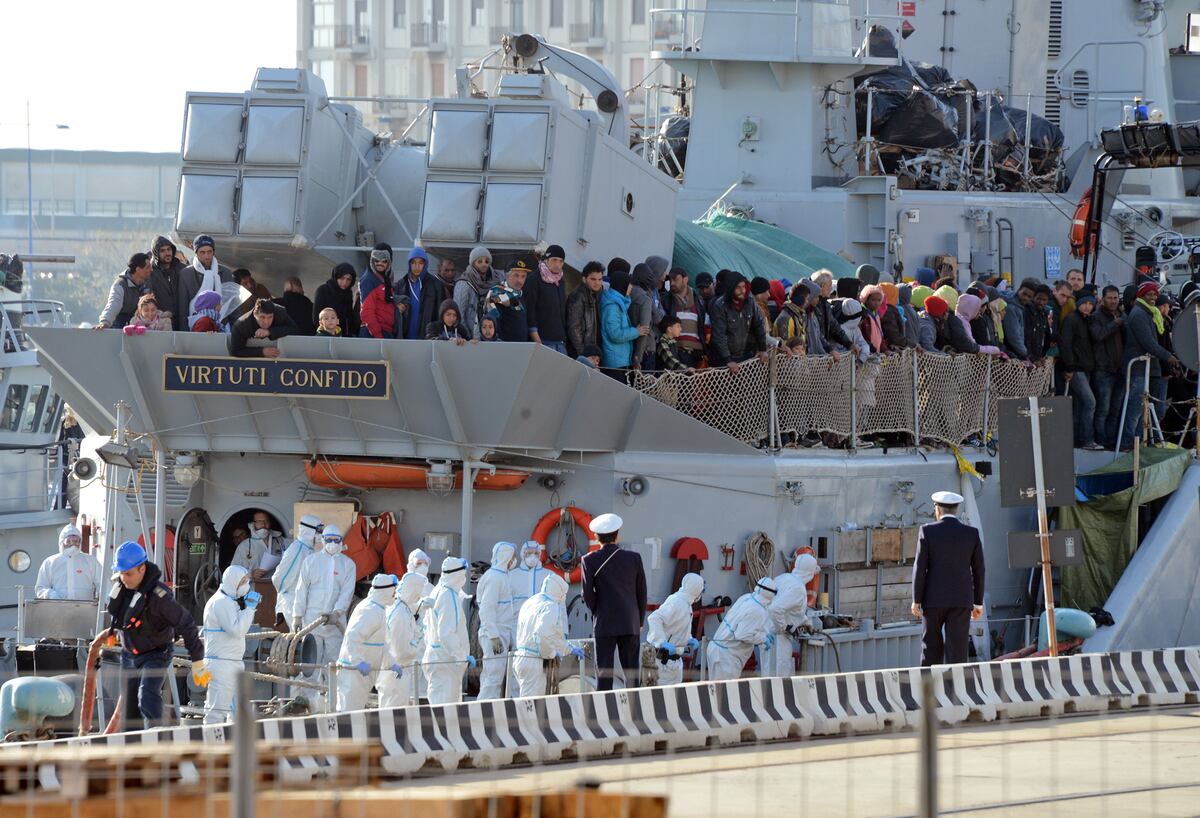
The displacement crisis has entered a new, more permanent phase. Over 11 million people are now displaced, with 4 million having fled across borders into Egypt, Chad, and South Sudan. The initial "generosity" of neighboring states has soured into a grim struggle for resources.
In Egypt, which now hosts the largest number of Sudanese refugees, the funding available per refugee per month has plummeted from $11 in 2022 to just $4 today. You cannot house, feed, or medicate a human being on 13 cents a day. This financial vacuum has forced the UN to close registration centers, effectively making thousands of new arrivals "invisible" to the system and ineligible for protection.
The Fallacy of Military Victory
For three years, the international community has waited for a "decisive" turn on the battlefield that never comes. The SAF possesses the airpower and the heavy artillery, yet it cannot clear the urban sprawl of Khartoum or the rugged expanses of the west. The RSF has the mobility and the scorched-earth tactics of a paramilitary force, yet it cannot govern the territory it seizes.
This stalemate is the engine of the atrocities. When armies cannot win through maneuver, they win through attrition. They target the water plants. They shell the hospitals. They use sexual violence as a systematic tool of territorial control. Over 671 documented attacks on health facilities since the war began have effectively dismantled the nation's immune system. When a child dies of cholera in Omdurman, it is as much a war casualty as if they had been hit by a mortar shell.
The Market of Indifference
Why does the money not come? The answer lies in the "competition of crises." In the boardrooms of the world’s largest donor agencies, Sudan is viewed as a high-risk, low-reward investment. The lack of a clear "hero" or a simple narrative makes it difficult to market to domestic taxpayers in the West.
Furthermore, the regional powers—the UAE, Saudi Arabia, Egypt, and Iran—are more invested in backing their respective horse in the race than in stabilizing the track. Weapons continue to flow into the country with a fluidity that aid trucks can only envy. The irony is bitter. There is always a budget for the hardware of destruction, but the checkbook remains closed for the logistics of survival.
The Last Local Line of Defense
If there is any functioning pulse left in the country, it belongs to the Emergency Response Rooms (ERRs). These are hyper-local, youth-led volunteer networks that have stepped into the vacuum left by the state and fleeing international NGOs. They run communal kitchens, organize secret schools, and coordinate medical evacuations under the nose of snipers.
The UK recently announced a doubling of aid to these frontline responders, but it is a drop in a very large, very dry bucket. These groups are the only reason the death toll isn't in the millions already. Yet, they operate on shoestring budgets, often targeted by both sides for their perceived "neutrality," which the warring generals mistake for subversion.
The Price of a Broken State
Sudan is the third-largest country in Africa. Its collapse is not a contained event. It is a regional destabilizer that will export millions of refugees toward Europe and the Middle East for the next decade. The "savings" found by cutting humanitarian budgets today will be paid back ten-fold in future border security costs and regional peacekeeping missions.
The peace plan currently on the table, championed by former Prime Minister Abdalla Hamdok and a coalition of civilian actors, offers a theoretical exit. But peace requires more than a signature; it requires the leverage of the global financial system to make war more expensive than governance. As long as the generals can fund their lifestyles through gold smuggling and illicit trade while the population starves on 16 percent of a budget, the incentive to stop remains zero.
The international community must stop treating Sudan as a tragic charity case and start treating it as a geopolitical emergency. Demand the opening of the Adre border crossing from Chad. Sanction the networks that facilitate the gold-for-arms trade. Fund the local responders who are actually doing the work. Anything less is just watching a nation bleed out in real-time while checking your watch.
The window for a coordinated response is not just closing; it is slamming shut.